PRUNUS LAUROCERASUS ‘SKIP’

If you’ve been searching for something that handles New England’s unpredictable winters, poor soil, and those tricky shaded corners without complaint, Skip Laurel might be exactly what you need. This evergreen workhorse combines the refined elegance of a true laurel with the toughness of a plant bred specifically for challenging conditions. It’s one of those rare specimens that actually gets better the more you ignore it—a quality that makes it beloved by Connecticut gardeners who appreciate low-maintenance sophistication.

What it looks like

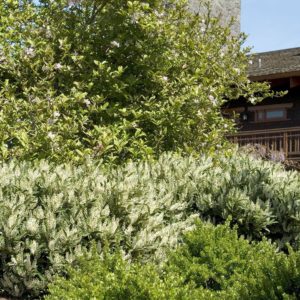
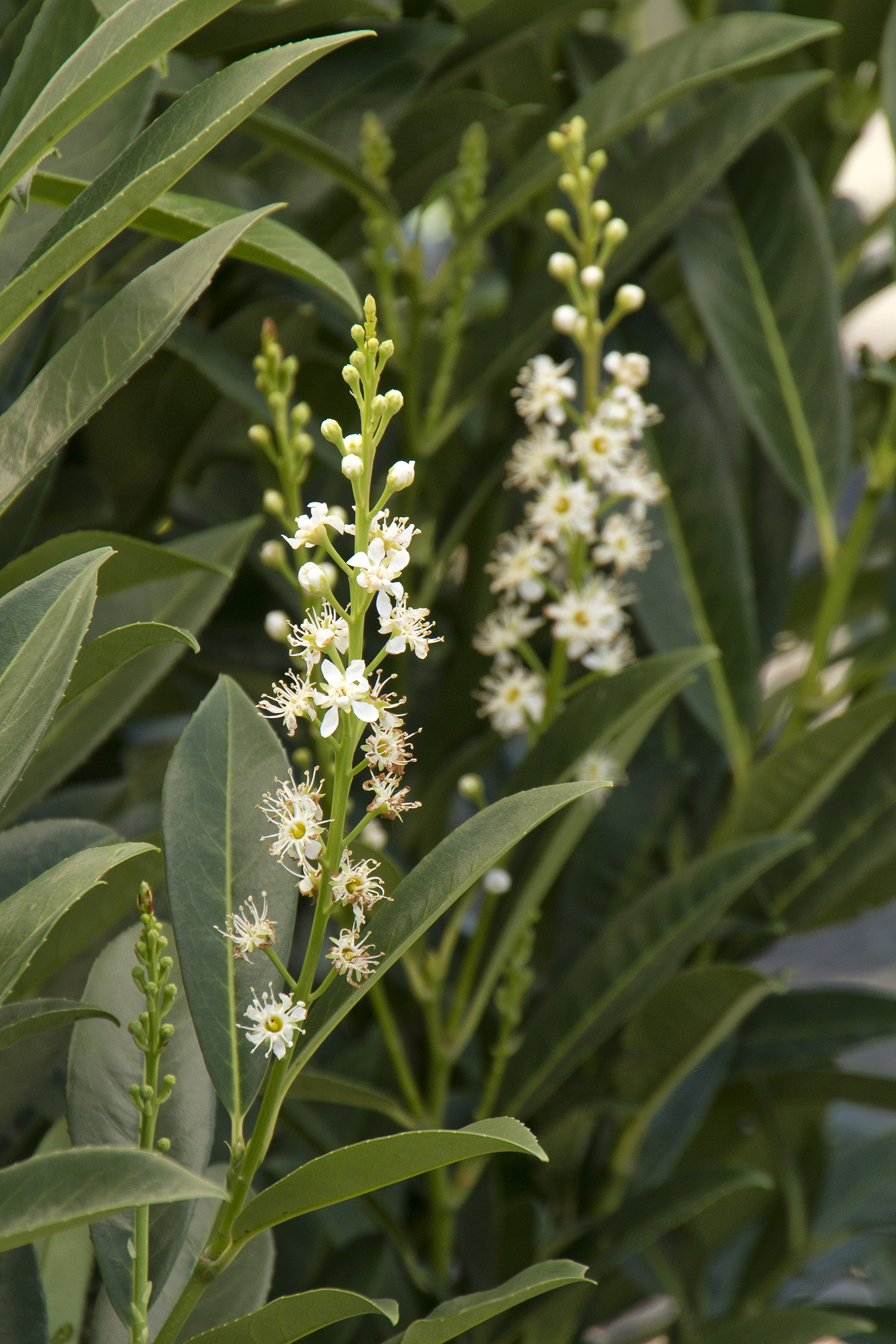
Skip Laurel presents itself as a densely branched evergreen shrub with glossy, deep green leaves that catch the light beautifully. The foliage is notably fine-textured compared to other laurels, giving it an almost refined appearance that doesn’t sacrifice durability. In spring, delicate white flower spikes emerge along the branches—nothing showy, but charming in their subtle way. The overall effect is of a plant that’s polished enough for a formal hedge, yet casual enough to blend seamlessly into a mixed border.

Growing it in your garden

Here’s where Skip Laurel truly earns its reputation. Unlike many broadleaf evergreens that fuss about their conditions, this cultivar was developed to thrive in the real world. It tolerates dense shade where other evergreens would struggle, handles soil that’s less than perfect, and stands firm through Connecticut’s freeze-thaw cycles without the winter burn that plagues some of its relatives. You can plant it in partial shade to full sun—it’s genuinely flexible. The key is ensuring adequate drainage; while Skip can handle moisture, soggy soil for extended periods will cause problems.

Space plants 3 to 4 feet apart if you’re creating a hedge. They’ll fill in reliably without becoming gangly or sparse. The plant’s naturally dense branching means less pruning is required to maintain a tidy appearance, though it responds beautifully to selective shaping if you prefer a more formal look.

Through the seasons

Skip Laurel remains steadfastly green year-round, providing reliable structure to your garden when deciduous plants have faded to bare branches. Spring brings those delicate flower clusters—not fragrant, but they add a moment of softness before the plant settles into its composed summer presence. Summer finds it maintaining its polished appearance without the stress of heat damage that affects some broadleaf evergreens. Fall and winter are when Skip truly proves its worth: while temperatures dip and winds howl, the foliage maintains its rich color and glossy sheen. There’s no winter bronzing, no leaf drop, no apologies.

Where it shines

This is your plant for living screens and hedges, especially in north-facing positions where other evergreens hesitate. Use it to create privacy barriers along property lines—it’ll grow tall enough to block an unsightly view while maintaining a refined appearance. In shadier locations under mature trees, where little else thrives, Skip creates structure and evergreen presence. It’s equally at home in mixed borders as a background plant, anchoring spaces with reliable substance. Groupings of three or five plants create stunning architectural presence in contemporary gardens.

Because it tolerates poor soil and compacted conditions better than most evergreens, Skip is an excellent choice near driveways, walkways, and other challenging foundation plantings where soil quality is compromised.

Perfect companions

Pair Skip Laurel with shade-tolerant hostas and hellebores for a layered woodland feel. Combine it with Japanese maples for contrast of form and foliage texture. The fine green of Skip makes an excellent backdrop for flowering shrubs like rhododendrons and azaleas. In more formal settings, underplant with boxwood and dwarf conifers for a refined, structured aesthetic. The plant also works beautifully with shade-loving perennials like brunnera and epimedium.

Care tips

Water regularly during the first growing season to establish a strong root system. Once established, Skip is drought-tolerant and largely self-sufficient. Apply a 2-inch mulch layer around the base (keeping it a few inches from the trunk) to moderate soil temperature and conserve moisture. Prune in spring after new growth emerges if you want to maintain a specific shape, but the plant’s naturally dense habit means you can often skip this step entirely. In harsh winters with deep freezes, occasional dieback of exposed growth can occur, but the plant recovers readily. If this happens, prune out damaged sections in spring once you can see where the damage occurred.

Quick facts

  • Hardiness Zone: Zone 6-9 (well-suited to Connecticut)
  • Mature Height & Spread: 8-12 feet tall, 4-6 feet wide (slower growing than standard PRUNUS LAUROCERASUS, adding to its refined character)
  • Bloom Season: Spring (April-May)
  • Light Requirements: Partial shade to full sun
  • Water Needs: Moderate; tolerates dry conditions once established
  • Available at: Both our retail and wholesale locations.
Skip Laurel

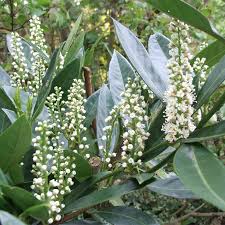
Evergreen shrub useful for hedges and borders. White flowers, narrow glossy green leaves. Hardiest of Cherrylaurels.

Zoning: 5-8
Mature Height and Spread: 6-10’ & 4-5’
Pot Size (gallons), Height: 4-5’, 5-6’, 7-8’

Description

PRUNUS LAUROCERASUS ‘SKIP’

If you’ve been searching for something that handles New England’s unpredictable winters, poor soil, and those tricky shaded corners without complaint, Skip Laurel might be exactly what you need. This evergreen workhorse combines the refined elegance of a true laurel with the toughness of a plant bred specifically for challenging conditions. It’s one of those rare specimens that actually gets better the more you ignore it—a quality that makes it beloved by Connecticut gardeners who appreciate low-maintenance sophistication.

What it looks like

Skip Laurel presents itself as a densely branched evergreen shrub with glossy, deep green leaves that catch the light beautifully. The foliage is notably fine-textured compared to other laurels, giving it an almost refined appearance that doesn’t sacrifice durability. In spring, delicate white flower spikes emerge along the branches—nothing showy, but charming in their subtle way. The overall effect is of a plant that’s polished enough for a formal hedge, yet casual enough to blend seamlessly into a mixed border.

Growing it in your garden

Here’s where Skip Laurel truly earns its reputation. Unlike many broadleaf evergreens that fuss about their conditions, this cultivar was developed to thrive in the real world. It tolerates dense shade where other evergreens would struggle, handles soil that’s less than perfect, and stands firm through Connecticut’s freeze-thaw cycles without the winter burn that plagues some of its relatives. You can plant it in partial shade to full sun—it’s genuinely flexible. The key is ensuring adequate drainage; while Skip can handle moisture, soggy soil for extended periods will cause problems.

Space plants 3 to 4 feet apart if you’re creating a hedge. They’ll fill in reliably without becoming gangly or sparse. The plant’s naturally dense branching means less pruning is required to maintain a tidy appearance, though it responds beautifully to selective shaping if you prefer a more formal look.

Through the seasons

Skip Laurel remains steadfastly green year-round, providing reliable structure to your garden when deciduous plants have faded to bare branches. Spring brings those delicate flower clusters—not fragrant, but they add a moment of softness before the plant settles into its composed summer presence. Summer finds it maintaining its polished appearance without the stress of heat damage that affects some broadleaf evergreens. Fall and winter are when Skip truly proves its worth: while temperatures dip and winds howl, the foliage maintains its rich color and glossy sheen. There’s no winter bronzing, no leaf drop, no apologies.

Where it shines

This is your plant for living screens and hedges, especially in north-facing positions where other evergreens hesitate. Use it to create privacy barriers along property lines—it’ll grow tall enough to block an unsightly view while maintaining a refined appearance. In shadier locations under mature trees, where little else thrives, Skip creates structure and evergreen presence. It’s equally at home in mixed borders as a background plant, anchoring spaces with reliable substance. Groupings of three or five plants create stunning architectural presence in contemporary gardens.

Because it tolerates poor soil and compacted conditions better than most evergreens, Skip is an excellent choice near driveways, walkways, and other challenging foundation plantings where soil quality is compromised.

Perfect companions

Pair Skip Laurel with shade-tolerant hostas and hellebores for a layered woodland feel. Combine it with Japanese maples for contrast of form and foliage texture. The fine green of Skip makes an excellent backdrop for flowering shrubs like rhododendrons and azaleas. In more formal settings, underplant with boxwood and dwarf conifers for a refined, structured aesthetic. The plant also works beautifully with shade-loving perennials like brunnera and epimedium.

Care tips

Water regularly during the first growing season to establish a strong root system. Once established, Skip is drought-tolerant and largely self-sufficient. Apply a 2-inch mulch layer around the base (keeping it a few inches from the trunk) to moderate soil temperature and conserve moisture. Prune in spring after new growth emerges if you want to maintain a specific shape, but the plant’s naturally dense habit means you can often skip this step entirely. In harsh winters with deep freezes, occasional dieback of exposed growth can occur, but the plant recovers readily. If this happens, prune out damaged sections in spring once you can see where the damage occurred.

Quick facts

  • Hardiness Zone: Zone 6-9 (well-suited to Connecticut)
  • Mature Height & Spread: 8-12 feet tall, 4-6 feet wide (slower growing than standard PRUNUS LAUROCERASUS, adding to its refined character)
  • Bloom Season: Spring (April-May)
  • Light Requirements: Partial shade to full sun
  • Water Needs: Moderate; tolerates dry conditions once established
  • Available at: Both our retail and wholesale locations.