Description
AMELANCHIER SPECIES
If you’ve been searching for something that handles wet soil, deep shade, and Connecticut winters without complaint—all while delivering four seasons of pure magic—Serviceberry has been waiting for you. This native shrub or small tree is one of New England’s best-kept secrets, a plant that somehow manages to be both tough as nails and graceful as a dancer. It’s the kind of thing that makes gardeners who know about it wonder why every yard doesn’t have one.
What it looks like
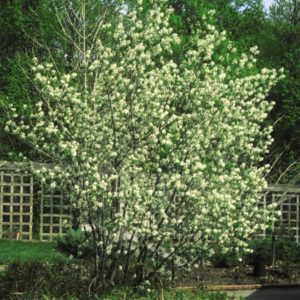
Serviceberry presents itself with understated elegance. In spring, delicate white to pale pink flowers appear in airy clusters before the leaves fully emerge—it’s the kind of subtle beauty that makes you pause and really look. The emerging foliage starts reddish or bronze, gradually transitioning to soft green through summer. Come fall, the show intensifies: leaves shift through orange, red, and burgundy in shades that rival any maple. And the structure? Clean, multi-stemmed growth that works beautifully as a specimen or layered into the landscape. You get an open, architectural form that’s as handsome in winter silhouette as it is in full leaf.
Growing it in your garden
Here’s what makes Serviceberry such a gift: it’s genuinely adaptable. Unlike plants that come with a long list of fussy demands, AMELANCHIER thrives in conditions that would challenge less versatile specimens. It handles wet soil, which matters if you garden in Connecticut’s clay-heavy areas or near drainage-challenged spots. It accepts deep shade better than most flowering shrubs, though it performs its best in part shade to full sun. The plant is absolutely hardy through Connecticut winters—it’s native to our region, after all—and it doesn’t ask for constant attention or specialized feeding. Plant it, water it through its first season, and let it do its thing.
Through the seasons
Spring is the grand opening act: those ethereal flowers catch the light in ways that feel almost ethereal. Bees and pollinators adore the blossoms, so you’re supporting local wildlife from day one. By early summer, small blue-black berries ripen and persist on the branches—they’re edible and slightly sweet, beloved by birds, though you might sneak a few yourself. The berries rarely make it far into summer before wildlife discovers them; somehow that feels right, like you’re running a restaurant for cardinals and cedar waxwings. Through the hot months, Serviceberry provides solid green foliage and architectural interest. Then autumn arrives and the real drama unfolds—those burnished reds and oranges that seem to glow from within. Winter reveals the plant’s lovely branching structure, especially striking when frosted or snow-laden.
Where it shines
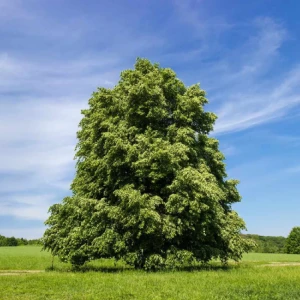
Use Serviceberry as a specimen plant where its four-season show gets noticed. Plant it near a patio or window where you’ll catch the spring flowers and fall color from inside. It’s perfect for the edge of a woodland garden or as part of a native shrub border. Because it tolerates wet conditions, it’s your answer for that low spot in the yard where other plants struggle. In smaller spaces, you can prune it to a more treelike form; in larger gardens, let it develop its natural multi-stemmed character. It works equally well as a screen, backdrop, or focal point depending on how you shape it.
Perfect companions
Serviceberry plays beautifully with other Connecticut natives and shade-tolerant plants. Pair it with CLETHRA (Sweet Pepperbush) for fragrance, or combine with ILEX (native hollies) for winter structure and berries. In a woodland setting, underplant with shade-loving perennials like Hellebores, Epimedium, or Polemonium. Its delicate spring flowers complement the bold architecture of evergreen shrubs like ILEX VERTICILLATA (Winterberry) or TAXUS (Yew). For a mixed border, team it with ornamental grasses and later-blooming shrubs that fill in after Serviceberry’s flowers fade.
Care tips
Serviceberry genuinely needs less fussing than most plants. Water newly planted specimens regularly through their first growing season, especially during Connecticut’s hot summers. Once established, it’s quite drought-tolerant, though it still appreciates consistent moisture. No fertilizer is necessary—in fact, overly rich soil can actually reduce flowering. Prune only to remove crossing branches or shape the plant; this isn’t something that demands annual pruning. Watch for occasional aphids or spider mites in very dry conditions, but these are rarely serious. Pruning is best done after flowering in late spring.
Quick facts
- Hardiness Zone: 4-9 (thoroughly Connecticut-hardy)
- Mature Height & Spread: 15-25 feet tall and wide, depending on variety and growing conditions
- Bloom Season: April to May, with summer berries and exceptional fall color
- Light Requirements: Part shade to full sun; tolerates deep shade
- Water Needs: Moderate; adapts to wet or dry conditions once established
- Available at: Both our retail and wholesale locations.