
Description

CHRYSANTHEMUM X SUPERBUM
What if one plant could do everything? Give you months of pure, unfiltered joy. Fill your cutting vases without guilt (pick all you want—it just makes them bushier). Handle Connecticut’s temperamental summers without drama. Bloom so reliably that even the most forgetful gardener succeeds? The Shasta Daisy does exactly that. It’s the workhorse perennial that somehow makes your garden look effortlessly beautiful, like you’ve been doing this forever.
What it looks like
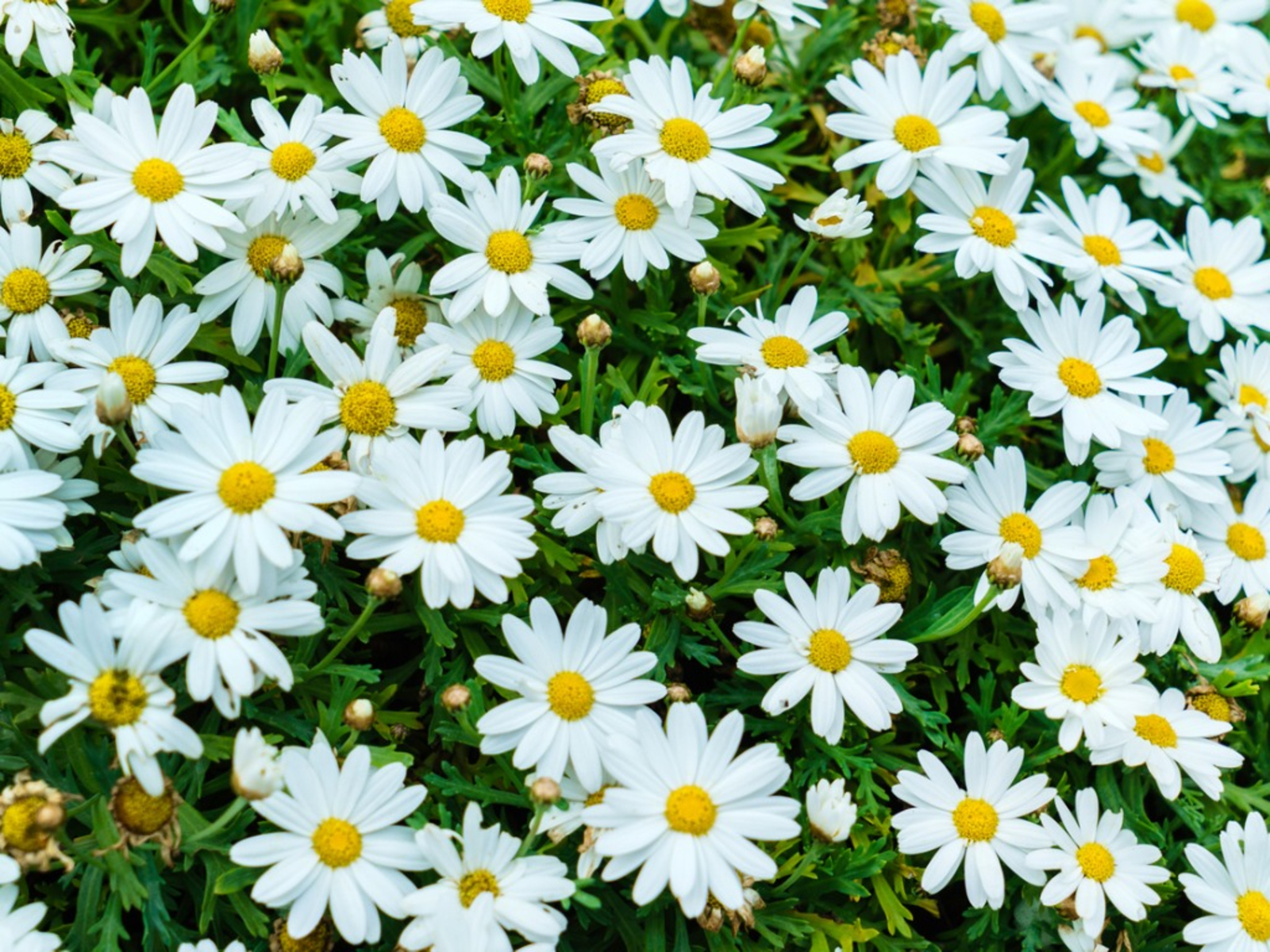
Imagine the daisy of your childhood dreams: pristine white petals arranged in perfect circles around a cheerful golden center. But Shasta Daisies are anything but childish in their elegance. The flowers are substantial—2 to 3 inches across—and carried on sturdy, leafy stems that reach 2 to 3 feet tall depending on the variety. The foliage is a tidy, dark green that stays attractive even before the flowers arrive. Some cultivars are more compact, perfect for smaller spaces, while others reach toward the sky like cottage garden stars. The petals have a silky quality, and when sunlight catches them in early morning, they practically glow.
Growing it in your garden
Shasta Daisies are Connecticut-tough. They laugh at our unpredictable springs, shrug off hot summers, and sail through winters without fuss. Plant them in a sunny spot—they’ll tolerate part shade, but you’ll get fewer flowers. They’re not fussy about soil, though they prefer well-draining conditions. If you’re working with the clay that comes standard in Connecticut, amend it with compost to improve drainage, and you’ll have a plant that thrives for years. They don’t need babying. They don’t need coddling. They just want decent sunlight and soil that doesn’t stay soggy.
Through the seasons
Spring brings fresh green growth as temperatures warm. By early June, flower buds begin forming, and by mid-June, your first blossoms open. If you’re in southern Connecticut, you might see flowers as early as late May. The blooming continues enthusiastically through July and August. Deadheading—removing spent flowers—keeps them flowering right through September if you’re diligent about it. Come fall, you can cut them back to a few inches as plants go dormant. Winter is when they rest beneath the soil, protected by our New England mulch layer of fallen leaves. In spring, they emerge again, fuller and more vigorous than before.
Where it shines
Cottage gardens, cutting gardens, and perennial borders are where Shasta Daisies absolutely sing. Plant them in clusters of three or five for maximum impact—a single daisy has charm, but a drift of them is unforgettable. They’re wonderful along fence lines, at the edge of woodland gardens, and in containers on sunny patios. If you have a sunny spot that needs brightening, Shasta Daisies are your answer. They’re also phenomenal cut flowers. A vase full of them on your kitchen table will brighten your mood every single time you walk past.
Perfect companions
Plant Shasta Daisies alongside purple coneflowers (ECHINACEA) or black-eyed Susans (RUDBECKIA) for a classic New England perennial garden. Blue delphinium creates stunning contrast with their white petals. Russian sage (PEROVSKIA) adds an airy, gray-green texture beside them. Purple salvia weaving through creates a romantic effect. For a cottage garden vibe, pair them with garden phlox in pink or purple. Even simple ornamental grasses—like FESTUCA or MISCANTHUS varieties—look elegant alongside the crisp white flowers.
Care tips
Once established, Shasta Daisies need moderate water during the growing season. Water deeply rather than frequently to encourage deep roots. In Connecticut summers, they usually appreciate supplemental water during dry spells. Deadhead regularly to keep flowers coming—it’s meditative work and prolongs the bloom season significantly. Every three to four years, divide overgrown clumps in spring. This rejuvenates plants and gives you more daisies to share or relocate. A light organic mulch keeps soil cool and consistent. That’s honestly all they need.
Quick facts
- Hardiness Zone: Zones 4–9
- Mature Height & Spread: 2–3 feet tall, 1–2 feet wide (varies by cultivar)
- Bloom Season: June through September
- Light Requirements: Full sun (6+ hours daily)
- Water Needs: Moderate; prefers well-draining soil
- Available at: Both our retail and wholesale locations