
Description

ARTEMISIA SCHMIDTIANA ‘SILVER MOUND’
What if one plant could solve the problem of harsh afternoon sun, sandy soil, and that one corner of your garden where everything else has given up? Meet Silver Mound—a feathery, luminous groundcover that laughs in the face of drought and poor soil while adding an almost ethereal quality to your landscape. This silvery beauty doesn’t just survive Connecticut’s challenging conditions; it absolutely thrives in them, making it an unsung hero for gardeners who want effortless elegance.
What it looks like
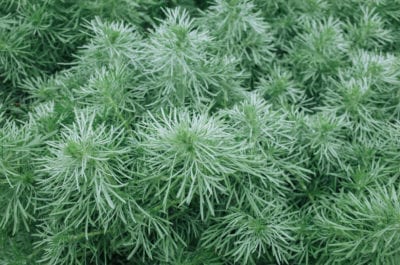
Silver Mound is pure delicate architecture. Fine, needle-like foliage in an almost metallic silver-gray creates a mounding form so perfectly rounded and compact you’d think it was hand-shaped. The plant grows into a neat, tidy dome typically 12 to 18 inches tall, never sprawling or getting leggy. Its feathery texture catches morning light in the most magical way, and late in the season, tiny pale yellow flowers appear—subtle, airy, almost like a whisper. The overall effect is sophisticated and modern, like someone took a cloud and anchored it to your garden bed.
Growing it in your garden
Here’s the beautiful simplicity: Silver Mound wants full sun (at least 6 hours daily) and well-drained soil. Actually, it prefers lean, sandy, or even gravelly soil—the kind of spot where other plants struggle. If your soil tends toward clay and moisture, amend heavily with sand or create a raised bed. This plant is all about air circulation and drainage. In Connecticut’s humid summers, good airflow prevents any fungal issues. Plant it in spring through early fall, spacing plants about 18 inches apart if you’re creating a cohesive groundcover effect. Once established, this is about as hands-off as gardening gets.
Through the seasons
Spring brings fresh growth, and the emerging foliage has an almost bright, silvery-white quality that seems to glow. Through summer, Silver Mound maintains its perfect mounded form while many other plants wilt in the heat and drought stress. The silver foliage acts like a natural reflector, making it seem cooler even on the hottest days. Late summer into fall, delicate pale yellow flower clusters emerge—nothing showy, but charming in their subtlety. Winter in Connecticut can be tricky; while ARTEMISIA SCHMIDTIANA is hardy to Zone 4, the foliage may take on a more brownish tone, and in particularly wet winters, some dieback can occur. Simply cut it back hard in early spring (March or April), and it bounces back fresh and vigorous.
Where it shines
Silver Mound is absolutely perfect for xeriscaping, cottage gardens, and contemporary designs where texture and color variation matter more than bold flowers. Use it as a border plant along pathways—it won’t flop onto walkways like some artemisias. In rock gardens, alpine gardens, or when creating a dry-garden aesthetic, it’s invaluable. Pair it near ornamental grasses and sedums for a cohesive, low-maintenance scheme. It’s wonderful in containers too, where drainage is naturally better. Anywhere you need height-of-summer cooling, visual lightness, and texture without fuss, Silver Mound delivers.
Perfect companions
Silver Mound is a team player that enhances almost everything around it. Its fine texture contrasts beautifully with bold-leaved plants like Russian Sage (PEROVSKIA), Salvia, or Black-eyed Susan (RUDBECKIA). Pair it with purple-foliaged plants like Purple Smoke Bush or Burgundy-leafed coral bells (HEUCHERA) for stunning color contrasts. Ornamental grasses like Karl Foerster Feather Reed Grass (CALAMAGROSTIS X ACUTIFLORA ‘KARL FOERSTER’) or Prairie Dropseed (SPOROBOLUS) echo its airy, textural quality. Low-growing sedums, catmint (NEPETA), and lamb’s ear (STACHYS BYZANTINA) all share Silver Mound’s toughness and styling preferences.
Care tips
Established Silver Mound rarely needs watering once rooted—this is a major reason to love it in Connecticut. In spring (April or May), cut the plant back to about 6 inches to encourage fresh, compact growth. This prevents the plant from becoming woody and open in the center. If you notice any dieback after winter (likely in wet years), simply cut away the dead material; fresh growth follows. Avoid fertilizing; this plant actually performs best in lean soil. Deadheading the flowers isn’t necessary, but you can remove them if you prefer a tidier appearance. Every three or four years, consider dividing plants in early spring if they’ve outgrown their space—Silver Mound divides easily and quickly establishes.
Quick facts
- Hardiness Zone: 4-9
- Mature Height & Spread: 12-18 inches tall, 18-24 inches wide
- Bloom Season: Late summer through early fall
- Light Requirements: Full sun (6+ hours daily)
- Water Needs: Low once established; prefers dry to average soil
- Available at: Both our retail and wholesale locations.