Description

ILEX VERTICILLATA ‘SOUTHERN GENTLEMAN’
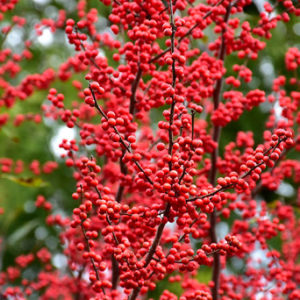
What if one plant could solve the age-old problem of male hollies cluttering up your landscape while doing absolutely nothing for winter color? The Southern Gentleman Winterberry steps up as the reliable pollinator that transforms your female winterberries into absolutely stunning displays of scarlet berries that persist well into the new year. This is the understated hero of winter gardens—the plant that doesn’t ask for attention itself, but makes every plant around it shine.
What it looks like
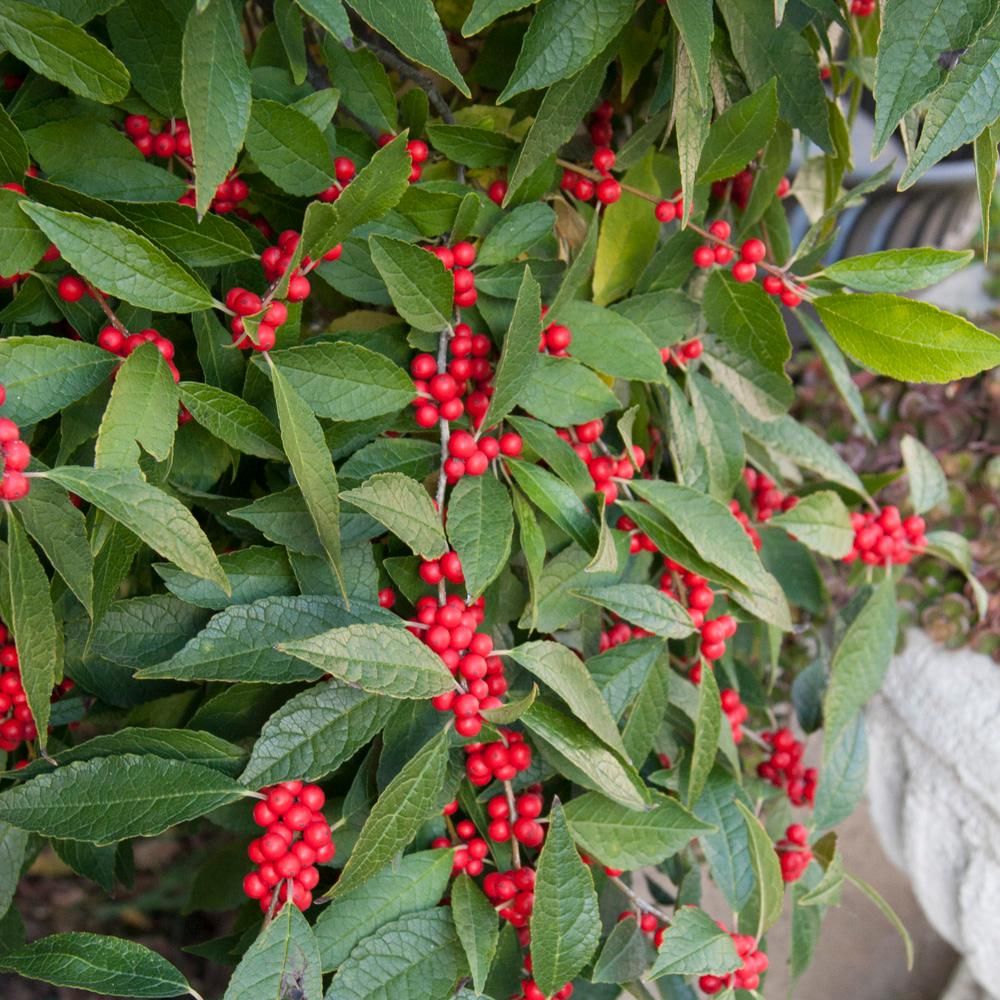
Southern Gentleman is a deciduous holly with a naturally upright, somewhat spreading form that develops into a graceful multi-stemmed shrub. In summer, you’ll appreciate its small, deep green leaves that clothe the branches in fine texture. But here’s the thing: this variety is a male form, which means it won’t produce those spectacular berries we all crave. Instead, its tiny greenish-white flowers appear in early summer—unremarkable to look at, but absolutely essential for berry production on nearby female winterberries. The plant has a refined, architectural quality even without berries, with dark stems that become increasingly visible as fall approaches.
Growing it in your garden
Southern Gentleman is remarkably adaptable, thriving in the moist, acidic soils that characterize much of Connecticut’s landscape. It’s far more flexible than many ornamental shrubs—equally happy in full sun or part shade, and genuinely unbothered by wet conditions. In fact, wet feet don’t faze it one bit, making it an excellent choice for rain gardens, bioswales, or those spots in your yard where water seems to collect every spring. Plant it within about 50 feet of your female ILEX VERTICILLATA selections (like Winter Red or Sparkleberry) for maximum berry production. The closer, the better—it’s a surprisingly generous pollinator for its size.
Through the seasons
Spring brings new growth and those small but vital flowers that carry the pollen female hollies need. Summer is all about lush green foliage and supporting cast duty—Southern Gentleman provides a handsome backdrop without demanding attention. Fall is when the magic happens elsewhere: your female winterberries blush into brilliant reds and oranges, and you’ll understand why this pollinator was worth the space. Winter is Southern Gentleman’s quiet moment. The plant goes completely deciduous—no surprise given its New England native heritage—but those bare branches become an elegant structure in the winter landscape. In severe winters, you might see some stem damage, but the plant bounces back reliably come spring.
Where it shines
This is an outstanding choice for naturalized areas, woodland edges, and mixed shrub borders where you want to maximize berry production in female hollies. It’s particularly valuable in rain gardens and low-lying areas where its tolerance for consistently moist soil is genuinely appreciated. If you’re designing a winter interest garden, Southern Gentleman plays the crucial supporting role—position it where it won’t block the view of your berry-laden female plants, but close enough to do its pollinating work. It also works beautifully in wildlife gardens, as the flowers attract native pollinators and the landscape that results from good pollination feeds birds throughout winter.
Perfect companions
Pair Southern Gentleman with female winterberries like Winter Red, Sparkleberry, or Christmas Cheer for reliable fruit production. It also works well with other Connecticut native shrubs like Arrowwood Viburnum, native azaleas, and Inkberry. In sun-dappled settings, combine it with Painted Fern and native Hellebores for year-round interest. For structure, pair with Sweetbay Magnolia or Serviceberry, which offer seasonal beauty without competing for attention.
Care tips
Southern Gentleman wants acidic soil with consistent moisture—Connecticut’s natural conditions are usually perfect without amendment. Water deeply during establishment and during dry spells (even this moisture-tolerant plant appreciates help during summer drought). Pruning is minimal; the plant naturally develops a graceful form. If you need to shape it, prune in late winter before growth begins. Fertilizer is rarely necessary if you’ve amended the planting hole with compost. This is a genuinely low-maintenance plant once established.
Quick facts
- Hardiness Zone: 3–9
- Mature Height & Spread: 8–10 feet tall, 4–6 feet wide
- Bloom Season: Early summer (inconspicuous flowers)
- Light Requirements: Full sun to part shade
- Water Needs: Medium to moist; tolerates wet soil
- Available at: Both our retail and wholesale locations