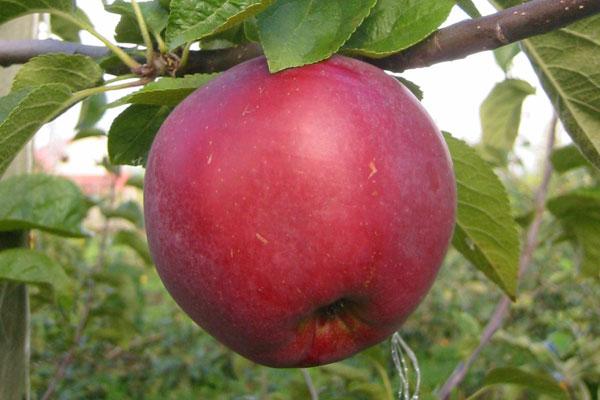
Spartan Edible apple

MALUS DOMESTICA ‘SPARTAN’

What if your apple tree could give you gorgeous spring blossoms, reliable harvests, and disease resistance all rolled into one tidy package? The Spartan Apple isn’t just productive—it’s the kind of fruit tree that makes you proud to show off to your neighbors. Originally bred in British Columbia, this variety has proven itself time and again in New England gardens, delivering dark red apples with crisp, juicy flesh that tastes like autumn itself.

What it looks like

Spartan is a picture of refinement. The tree grows in a naturally compact, upright form—perfect if you’re working with moderate space. In spring, it erupts with delicate white-tinged-with-pink blossoms that bees absolutely adore. Come fall, the real show begins: deep crimson apples, often with darker red striping, cluster on the branches. These aren’t huge apples (medium-sized, typically), but they’re beautiful, uniform, and practically glow against the green foliage. The tree itself develops attractive gray bark that adds winter interest to your landscape.

Growing it in your garden

Spartan thrives in Connecticut’s growing conditions when given full sun and well-draining soil. It’s not fussy about soil type—it adapts well to slightly acidic to neutral pH and handles the heavy clay soils many New England gardeners wrestle with. Plant it in a spot that gets at least six hours of direct sun daily for best flowering and fruiting. The tree is moderately vigorous, naturally compact enough that you won’t spend years trying to wrangle it into shape, yet sturdy enough to handle nor’easters without drama. Note that Spartan requires a compatible pollinator to set fruit; excellent choices include Gala, Honeycrisp, or Jonagold apples, all of which bloom around the same time.

Through the seasons

Spring arrives with those charming blossoms—a signal that good things are coming. Late spring through early summer, tiny fruits begin forming after pollination, and you’ll find yourself checking on their progress regularly (it’s impossible not to). Summer is maintenance season: monitor for typical New England apple pests and diseases, though Spartan shows notably good disease resistance compared to many heirloom varieties. By late August through September, those crimson beauties are ready to pick. Unlike some apples that practically fall off the tree, Spartan apples have good hang time, so you can harvest over several weeks rather than all at once. Fall foliage is dependable yellow-gold. Winter reveals the tree’s strong branching structure—no hidden mess hiding under summer leaves here.

Where it shines

Plant Spartan where you’ll see it regularly: near a patio, along a property line, or as part of a mixed fruit garden. The compact form makes it suitable for smaller New England yards that can’t accommodate sprawling standard apple trees. It’s equally happy as part of an orchard planting. The apples themselves are excellent for fresh eating—crisp and sweet with a subtle tartness—and they store remarkably well in a cool basement or garage, giving you fresh apples well into winter. They’re also reliable for baking and sauce-making if you’re the type to get ambitious with fall harvests.

Perfect companions

Pair Spartan with other pollinator-compatible apple varieties like Gala or Pink Lady for cross-pollination and a succession of ripening times. Understory plantings of shade-tolerant perennials work beautifully beneath—think hellebores, hostas, or bleeding heart, which appreciate the dappled shade an apple tree provides. Berry bushes like raspberry or currant nearby create a productive fruit garden aesthetic. If you’re planning a small orchard feel, combine Spartan with cherry, pear, or plum trees spaced appropriately for full sun access.

Care tips

Spartan apples benefit from standard dormant-season pruning in late winter or early spring—aim for an open center form that allows air circulation and sun penetration. This reduces disease pressure in our humid New England springs. Thin fruit in early summer if you want larger apples; leave them for a heavier crop of smaller fruits. Monitor for codling moths and apple maggots, particularly from mid-July onward, using either organic or conventional management strategies as you prefer. Apply a general-purpose fruit tree fertilizer in spring if your soil test indicates need. Water deeply during establishment and during prolonged dry spells; once established, Spartan is fairly drought-tolerant for a fruit tree.

Quick facts

  • Hardiness Zone: 4–8 (thrives throughout Connecticut)
  • Mature Height & Spread: 18–25 feet tall, 15–18 feet wide (compact for an apple tree)
  • Bloom Season: Mid-spring
  • Fruit Harvest: Late August through September
  • Light Requirements: Full sun (minimum 6 hours daily)
  • Water Needs: Moderate; consistent moisture during growing season, established trees fairly drought-tolerant
  • Pollinator Required: Yes (Gala, Honeycrisp, or Jonagold recommended)
  • Available at: Both our retail and wholesale locations.

Spartan Edible apple

Spartan is a small sweet apple, and a great favourite with children. It is very much a “McIntosh” style apple, bright crimson skin and whiter-than-white flesh

Pot Size (gallons), Height: #20 Espalier

Description

Spartan Edible apple

MALUS DOMESTICA ‘SPARTAN’

What if your apple tree could give you gorgeous spring blossoms, reliable harvests, and disease resistance all rolled into one tidy package? The Spartan Apple isn’t just productive—it’s the kind of fruit tree that makes you proud to show off to your neighbors. Originally bred in British Columbia, this variety has proven itself time and again in New England gardens, delivering dark red apples with crisp, juicy flesh that tastes like autumn itself.

What it looks like

Spartan is a picture of refinement. The tree grows in a naturally compact, upright form—perfect if you’re working with moderate space. In spring, it erupts with delicate white-tinged-with-pink blossoms that bees absolutely adore. Come fall, the real show begins: deep crimson apples, often with darker red striping, cluster on the branches. These aren’t huge apples (medium-sized, typically), but they’re beautiful, uniform, and practically glow against the green foliage. The tree itself develops attractive gray bark that adds winter interest to your landscape.

Growing it in your garden

Spartan thrives in Connecticut’s growing conditions when given full sun and well-draining soil. It’s not fussy about soil type—it adapts well to slightly acidic to neutral pH and handles the heavy clay soils many New England gardeners wrestle with. Plant it in a spot that gets at least six hours of direct sun daily for best flowering and fruiting. The tree is moderately vigorous, naturally compact enough that you won’t spend years trying to wrangle it into shape, yet sturdy enough to handle nor’easters without drama. Note that Spartan requires a compatible pollinator to set fruit; excellent choices include Gala, Honeycrisp, or Jonagold apples, all of which bloom around the same time.

Through the seasons

Spring arrives with those charming blossoms—a signal that good things are coming. Late spring through early summer, tiny fruits begin forming after pollination, and you’ll find yourself checking on their progress regularly (it’s impossible not to). Summer is maintenance season: monitor for typical New England apple pests and diseases, though Spartan shows notably good disease resistance compared to many heirloom varieties. By late August through September, those crimson beauties are ready to pick. Unlike some apples that practically fall off the tree, Spartan apples have good hang time, so you can harvest over several weeks rather than all at once. Fall foliage is dependable yellow-gold. Winter reveals the tree’s strong branching structure—no hidden mess hiding under summer leaves here.

Where it shines

Plant Spartan where you’ll see it regularly: near a patio, along a property line, or as part of a mixed fruit garden. The compact form makes it suitable for smaller New England yards that can’t accommodate sprawling standard apple trees. It’s equally happy as part of an orchard planting. The apples themselves are excellent for fresh eating—crisp and sweet with a subtle tartness—and they store remarkably well in a cool basement or garage, giving you fresh apples well into winter. They’re also reliable for baking and sauce-making if you’re the type to get ambitious with fall harvests.

Perfect companions

Pair Spartan with other pollinator-compatible apple varieties like Gala or Pink Lady for cross-pollination and a succession of ripening times. Understory plantings of shade-tolerant perennials work beautifully beneath—think hellebores, hostas, or bleeding heart, which appreciate the dappled shade an apple tree provides. Berry bushes like raspberry or currant nearby create a productive fruit garden aesthetic. If you’re planning a small orchard feel, combine Spartan with cherry, pear, or plum trees spaced appropriately for full sun access.

Care tips

Spartan apples benefit from standard dormant-season pruning in late winter or early spring—aim for an open center form that allows air circulation and sun penetration. This reduces disease pressure in our humid New England springs. Thin fruit in early summer if you want larger apples; leave them for a heavier crop of smaller fruits. Monitor for codling moths and apple maggots, particularly from mid-July onward, using either organic or conventional management strategies as you prefer. Apply a general-purpose fruit tree fertilizer in spring if your soil test indicates need. Water deeply during establishment and during prolonged dry spells; once established, Spartan is fairly drought-tolerant for a fruit tree.

Quick facts

  • Hardiness Zone: 4–8 (thrives throughout Connecticut)
  • Mature Height & Spread: 18–25 feet tall, 15–18 feet wide (compact for an apple tree)
  • Bloom Season: Mid-spring
  • Fruit Harvest: Late August through September
  • Light Requirements: Full sun (minimum 6 hours daily)
  • Water Needs: Moderate; consistent moisture during growing season, established trees fairly drought-tolerant
  • Pollinator Required: Yes (Gala, Honeycrisp, or Jonagold recommended)
  • Available at: Both our retail and wholesale locations.