
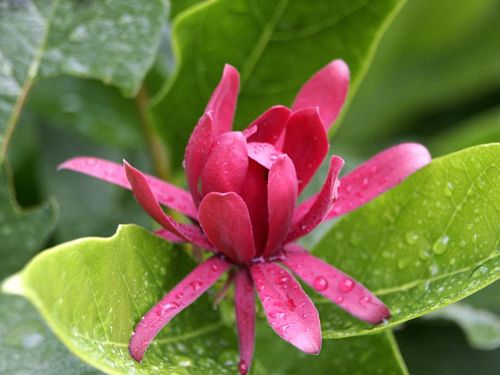
Description

LINDERA BENZOIN
If you’ve been searching for something that handles wet soil, deep shade, and Connecticut winters without complaint, while also filling your garden with spice-scented magic—stop searching. Spicebush is the unsung hero of New England native plants, a deciduous shrub that earns its place in gardens through sheer personality and usefulness. It’s the kind of plant that makes you wonder why it isn’t in every yard.
What it looks like
Spicebush is an elegant, upright shrub with a naturally graceful form that requires minimal pruning to look intentional. Its leaves are simple and elongated—soft green in summer, turning a lovely golden yellow in fall. But here’s what really catches attention: before those leaves even emerge in spring, LINDERA BENZOIN puts on a delicate show of tiny yellow flowers that cluster along its branches like little drops of sunshine. Female plants produce bright red berries in late summer and early fall, which persist and become increasingly vibrant as the season progresses. Everything about this plant—leaves, twigs, berries—is aromatic. Crush a leaf between your fingers and you’ll understand why it earned the name “spice” bush. That warm, pleasant fragrance is one of its greatest gifts.
Growing it in your garden
Spicebush thrives in the conditions that challenge so many other plants. It handles wet, even boggy soil with ease, making it perfect for those tricky low-lying areas of your Connecticut property where drainage is poor. It also accepts deep shade to partial sun, giving you real flexibility in placement. This is a native Connecticut shrub, which means it’s adapted to our climate and growing seasons—no fussing required. Plant it in spring for best establishment, spacing multiple shrubs 4 to 6 feet apart if you’re creating a screen or hedge. It’s one of those plants that improves over time, becoming more substantial and impressive as it matures.
Through the seasons
Early spring brings those charming yellow flower clusters before leaves arrive—a cheerful moment when the garden is still waking up. Summer foliage is clean and attractive, providing good textural interest in the landscape. If you’ve planted a female specimen (or have one nearby for cross-pollination), fall brings those striking red berries that birds absolutely love—this is a bonus for wildlife. The yellow fall color is understated but pleasant, and winter reveals the plant’s architectural bones and interesting branching pattern. Even leafless, Spicebush has dignity.
Where it shines
The obvious home for Spicebush is in the moist, shaded areas of your property—near downspout drainage areas, in low spots, or beneath tall trees where most shrubs would struggle. It’s exceptional as a screen plant, either alone or mixed with other shade-loving natives. Use it along pond edges or rain garden installations. It’s also wonderful in naturalized settings, where its informal elegance feels right at home. In a mixed border in partial shade, it provides structure and seasonal interest without demanding attention.
Perfect companions
Spicebush plays beautifully with other native shade plants. Pair it with Elderberry (SAMBUCUS NIGRA) for a native shrub combination, or underplant it with ferns, Hellebores, and shade-tolerant perennials. It works as a backdrop for Coral Bells, which provide foliage contrast. Nearby hostas and astilbes appreciate the same moist, shady conditions. For a wildlife garden, combine Spicebush with native viburnums and berry-producing shrubs to create layers of food and shelter.
Care tips
Spicebush asks very little of you once established. Water regularly during its first growing season, then let nature mostly take over. It actually prefers that moist environment, so don’t fight to dry it out. No fertilizer needed—this is an easygoing plant. Pruning is minimal; just remove dead wood and shape as needed in late winter or early spring. If you’re deadheading spent flowers for aesthetic reasons, go ahead, but the berries that follow are worth leaving them on. Plant both male and female specimens if you want berries, or simply enjoy the flowers and foliage.
Quick facts
- Hardiness Zone: 4–9
- Mature Height & Spread: 6–12 feet tall and wide
- Bloom Season: Early spring (March–April)
- Light Requirements: Partial shade to shade; tolerates full sun
- Water Needs: Prefers moist to wet soil; excellent for poorly drained areas
- Available at: Both our retail and wholesale locations