Description
MALUS ‘SUGAR TYME’
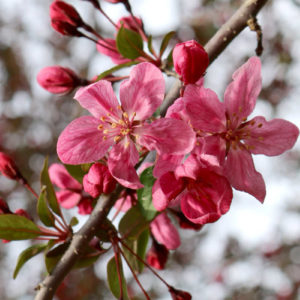
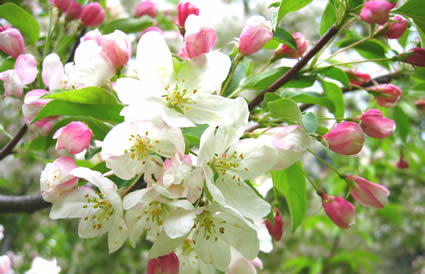
The Sugar Tyme Crabapple is Connecticut’s answer to wanting it all—and actually getting it. This isn’t some fleeting spring beauty that disappears come summer. This is a tree that earns its place in your landscape through sheer multi-season generosity, starting with clouds of pale pink blossoms in May and continuing all the way through the frost with persistent, jewel-toned fruit that birds adore and you’ll adore watching them enjoy.
What it looks like
Sugar Tyme grows into a naturally vase-shaped tree with a dense, branching habit that’s attractive even in winter. The spring flowers are a soft ballet pink, emerging from deeper pink buds—not the harsh magenta of some crabapples, but rather an understated elegance. The real show, though, comes in fall and early winter when the small fruits arrive in abundance. These are deep red, sometimes blushed with orange, and they persist on branches well into November and beyond, creating an ornamental display that actually improves as temperatures drop. The summer foliage is a healthy medium green, turning warm golden tones before leaf drop.
Growing it in your garden
This is a tree that doesn’t ask much of Connecticut gardeners. Sugar Tyme thrives in full sun locations and is remarkably adaptable to different soil conditions—whether you’re working with clay, loam, or something in between. It’s drought-tolerant once established, though it appreciates regular watering during its first season. Plant it where you can see it from inside the house during winter; that’s where the real magic happens. The upright, somewhat vase-like form makes it excellent for tight spaces where a spreading shade tree would overwhelm, and it works beautifully in suburban landscapes where you want structure without overwhelming your neighbors.
Through the seasons
Spring brings those delicate pink blossoms that pollinators visit eagerly—this is a great choice if you want to support bees and other beneficial insects in your yard. Summer is understated but solid; the tree provides light screening and a gentle backdrop to other garden activities. Fall is when Sugar Tyme shifts into overdrive. The fruit develops its remarkable red color, deepening as temperatures cool. Unlike many crabapples that drop their fruit in a scattered mess, Sugar Tyme holds its ornamental display through most of November and often into December. Winter finally reveals the tree’s elegant branching structure, and if you’ve positioned it right, it becomes a living piece of living art against the snow.
Where it shines
Sugar Tyme is exceptionally valuable as a focal point in mixed borders, where you can layer it with spring bulbs, summer perennials, and ornamental grasses that won’t compete for attention. It’s perfect for creating winter interest in foundation plantings, especially near entries or windows where you’ll see it daily. This crabapple also excels in pollinator gardens—plant it alongside shrubs like serviceberry and viburnums for a spring-through-winter display that feeds and attracts wildlife. It’s equally at home in naturalistic Connecticut landscapes as it is in more formal settings.
Perfect companions
Pair Sugar Tyme with shade-lovers planted beneath its canopy—hellebores, bleeding heart, and woodland phlox appreciate the light dappling. Combine it with other ornamental trees like AMELANCHIER (serviceberry) or CORNUS (flowering dogwood) for a multi-season show. Around the base, plant spring bulbs like snowdrops, crocuses, and tulips to create color layers. In mixed borders, purple-foliaged shrubs like smokebush or Japanese barberry create striking contrast with the tree’s fruiting display.
Care tips
Water deeply after planting and maintain consistent moisture through the first growing season. Once established, Sugar Tyme is quite drought-tolerant, though it performs best with moderate water availability. Prune in late winter while dormant to maintain shape and remove any crossing or damaged branches. The tree is naturally disease-resistant compared to many crabapples, and it doesn’t require chemical intervention in Connecticut gardens. Avoid planting in extremely wet sites, as this can reduce fruit production and encourage fungal issues. The fruit may attract birds who will scatter seeds, but this is rarely a problem and is actually part of the appeal for many gardeners who enjoy the wildlife activity.
Quick facts
- Hardiness Zone: 4-8
- Mature Height & Spread: 20-25 feet tall, 15-20 feet wide
- Bloom Season: May
- Light Requirements: Full sun (6+ hours)
- Water Needs: Moderate; drought-tolerant once established
- Available at: Both our retail and wholesale locations