
Description

CORNUS KOUSA ‘SUMMER FUN’
What if one plant could give you all the sophistication of a refined garden specimen while practically bouncing with personality? The Summer Fun Kousa Dogwood is exactly that—a cultivar that brings together elegant architecture, reliable performance, and genuine year-round interest in a way that makes you wonder why it isn’t in every Connecticut garden. This is a dogwood that doesn’t just grow; it performs, evolving through the seasons like a carefully choreographed show that never gets old.
What it looks like
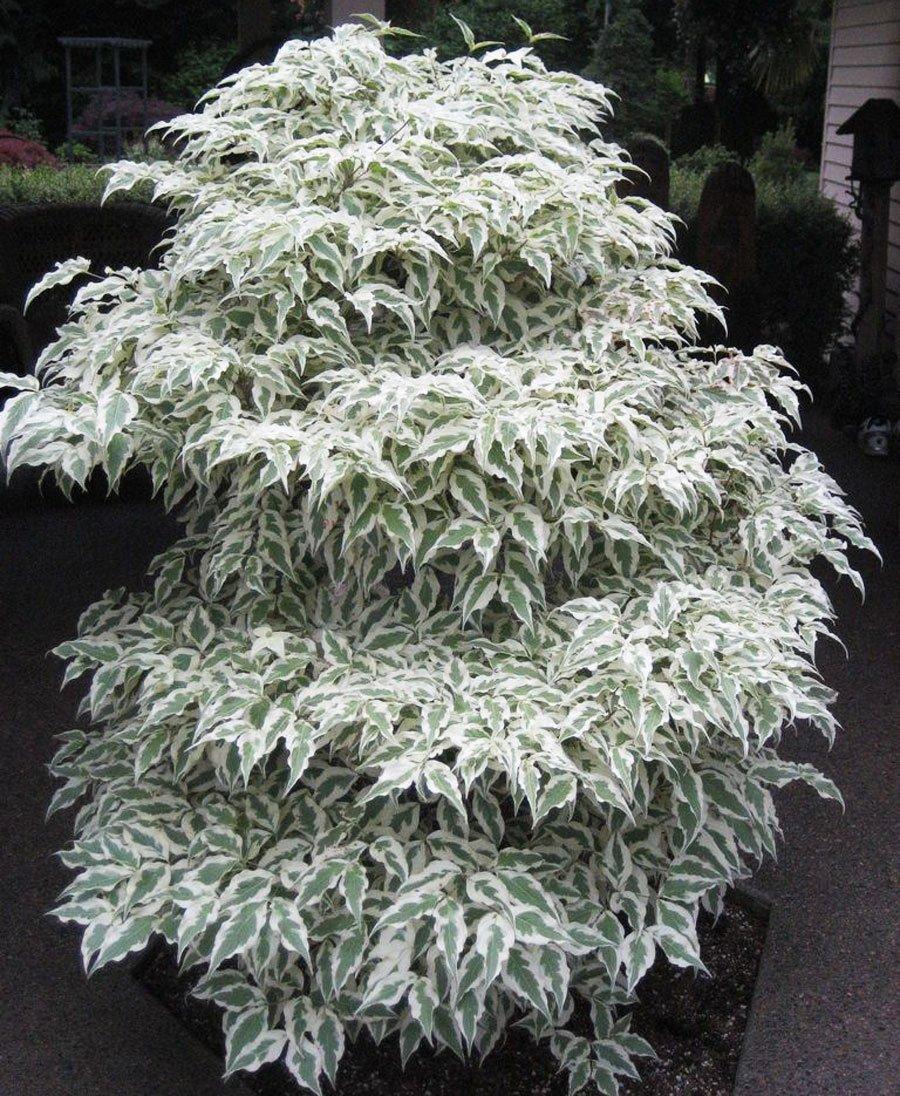
Summer Fun is a stunner from the moment it breaks dormancy. The new growth emerges in soft greens splashed with cream and pink variegation—a delicate, almost surprising color combination that makes spring arrivals feel like a special event. As the season progresses, the foliage settles into a deeper green, but those variegated streaks persist, creating a shimmering, multidimensional canopy that catches light beautifully even in mid-summer when most gardens are looking tired. The leaf margins maintain that creamy tone, giving the whole tree a slightly glowing quality that photographs beautifully.
In early summer, the plant produces its characteristic layered, creamy-white bracts (those modified leaves that look like flowers) arranged in the trademark Kousa pattern. These aren’t quite as large as some dogwood cousins, but they’re elegant and abundant, creating a cloud of subtle color that feels more refined than showy.
Growing it in your garden
Here’s what makes Summer Fun such a gift for Connecticut gardeners: it’s genuinely adaptable. Unlike its finickier flowering dogwood cousins, the Kousa variety doesn’t demand constant pampering. It prefers well-draining soil and appreciates organic matter worked in at planting time, but once established, it settles in with quiet confidence. Plant it where it gets morning sun and afternoon dappling—that’s really the sweet spot in our New England climate. While it tolerates partial shade beautifully, you’ll get the most vigorous growth and the best variegation display in sites that receive at least four to five hours of good light daily.
The tree grows with a naturally elegant, slightly spreading habit, developing that layered branching structure that Japanese maple enthusiasts admire. It won’t overwhelm a space; it’ll simply improve it, growing into a specimen that looks intentional and sophisticated.
Through the seasons
Spring brings those variegated new leaves and the promise of the creamy bracts to come. Early summer is the glory moment—flowers, beautiful foliage, and that sense of the garden hitting its stride. By mid to late summer, the show shifts. The tree maintains its foliage color beautifully (no summer slump here), and in late August, the real magic begins. Red fruits develop—small, textured, raspberry-like berries that gradually mature and create visual interest into the fall.
Autumn is spectacular. The variegated foliage transforms, the green backing turns to warm burgundy and plum tones, creating a deeply complex color show that beats a conventional dogwood any day. Winter reveals the tree’s branching architecture, which is genuinely beautiful—the dark branches have an almost sculptural quality that adds character to the garden even when bare.
Where it shines
This is a tree that wants to be seen. Plant it as a specimen where you can really appreciate its full form and seasonal changes. It’s particularly stunning as a focal point in a mixed border, where its variegated foliage plays beautifully with darker-leaved companions. It also works wonderfully in woodland settings where the dappled light shows off those cream-and-pink spring leaves to stunning effect. In Connecticut gardens, Summer Fun adapts to both acidic and more neutral soils, making it flexible enough to work in most landscape situations.
Perfect companions
Pair it with shade-tolerant hostas to echo the variegation theme, or plant it above a low evergreen groundcover like PACHYSANDRA to highlight the tree’s branching structure. Ferns (especially autumn fern varieties) are beautiful companions, as is heuchera in deeper colors. In spring, early bulbs like hellebores create a quiet moment of continuity. Keep companion plantings somewhat restrained so the dogwood’s architecture remains the star.
Care tips
Water regularly during establishment—think deep soaking once or twice weekly through the first growing season. Once established, it’s remarkably drought-tolerant, though it performs best when you don’t let it completely dry out during New England’s occasional dry spells. Mulch around the base to keep roots cool and to maintain moisture. Prune minimally and only if needed to maintain shape; this tree’s natural form is its best feature. Watch for anthracnose in overly humid conditions (New England springs can be tricky), but generally, Summer Fun is pest and disease resistant. No fertilizer needed—in fact, the less fussy you are, the better it grows.
Quick facts
- Hardiness Zone: 5-8 (perfect for Connecticut)
- Mature Height & Spread: 25-30 feet tall and wide
- Bloom Season: Early summer
- Light Requirements: Full sun to partial shade (morning sun, afternoon dappling ideal)
- Water Needs: Moderate; regular watering during establishment, then drought-tolerant once settled
- Available at: Both our retail and wholesale locations.