
Description

BETULA PENDULA ‘TROST DWARF’
The Trost Dwarf European White Birch is Connecticut’s answer to a very real gardening dilemma: you love the elegant, papery-white bark and delicate foliage of a classic birch, but your yard isn’t big enough for a sixty-foot giant. This cultivar gives you everything that makes birches so irresistible—the luminous white trunk, the airy, fine-textured leaves, that graceful weeping form—all wrapped up in a compact package that actually fits in residential landscapes. It’s birch without apology, scaled to human proportions.
What it looks like
Trost Dwarf is an absolutely striking ornamental tree, even when it’s young. The bark is that characteristic brilliant white that practically glows in winter light, and unlike some white birches, this cultivar maintains its pristine appearance beautifully without constant maintenance. The branching is naturally weeping and graceful—those delicate twigs arch downward in the most elegant way, creating a fountain-like silhouette that softens any landscape.
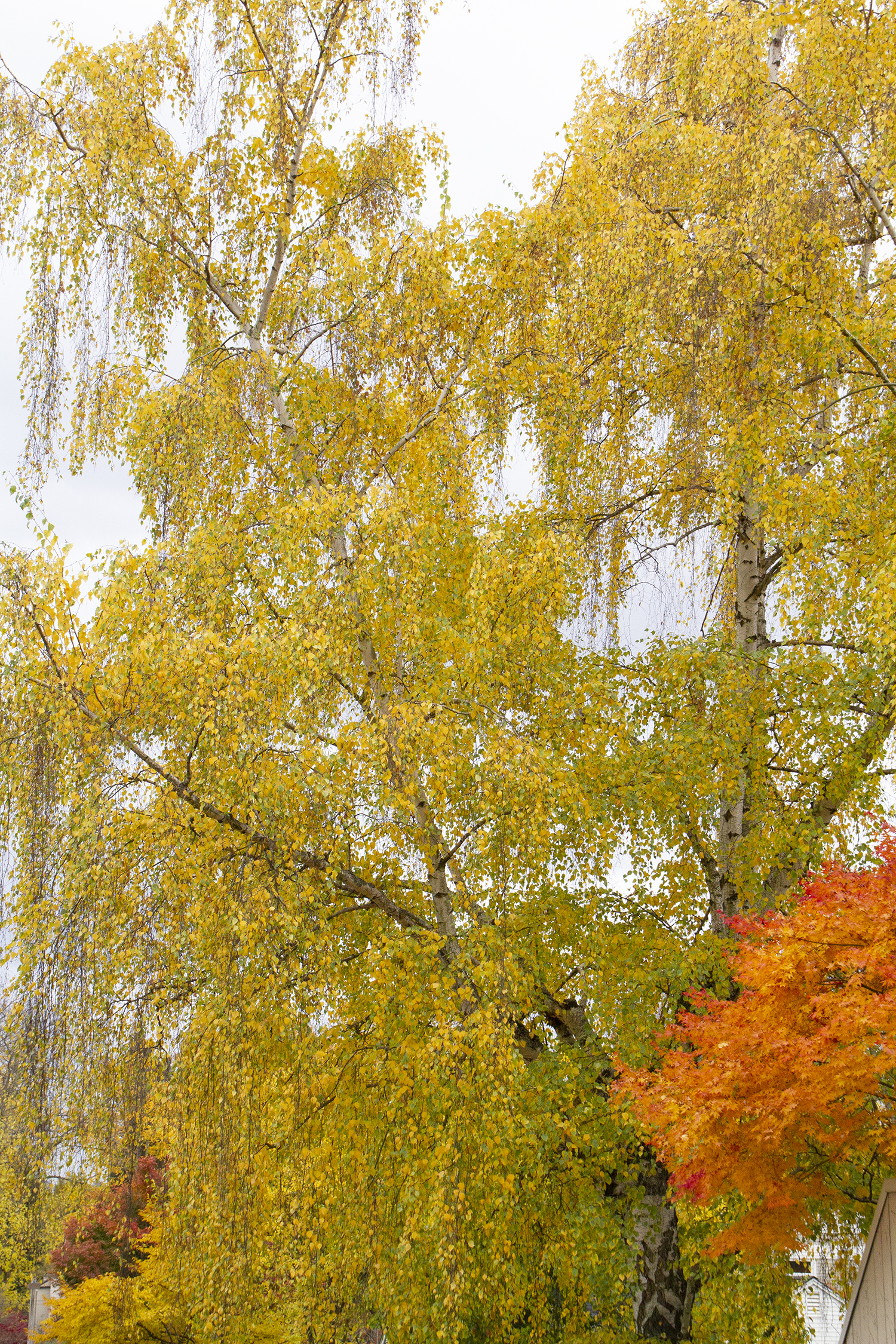
The foliage is equally refined. Small, triangular leaves emerge bright green in spring and develop a fresh, almost lime-tinged quality as they mature. They’re finely textured and move beautifully in the slightest breeze, creating this wonderful sense of lightness and movement. In fall, the leaves shift to soft golden tones before dropping, and then you get the real show: that white bark holds center stage all through Connecticut’s long winter.
Growing it in your garden
Here’s what makes Trost Dwarf particularly valuable: it’s genuinely manageable. Yes, it’s still a birch (and birches aren’t quite as bulletproof as some other trees), but this cultivar was selected specifically for its vigor and disease resistance. Plant it in a location with full sun to part shade, though it’ll reward you best with at least six hours of direct light.
Soil is where birches have their preferences. They prefer moist, well-draining conditions—think of their natural habitat near streams and water edges. In Connecticut, if your soil tends toward clay and wetness, amend it generously with compost before planting. If your yard runs dry, mulch around the base to help retain moisture. Birches are remarkably adaptable to both acidic and neutral soils, which works in our favor here in New England.
The tree has a naturally upright, columnar form with weeping branches, so it doesn’t need much pruning to look good. Unlike full-size birches, Trost Dwarf won’t dominate your sight lines or shade out everything else in the garden.
Through the seasons
Spring brings that chartreuse-tinged emergence of foliage and delicate catkins that dangle from the branches—subtle but charming. Summer is when the tree really earns its place, providing dappled shade with that graceful, weeping form creating wonderful texture against blue sky. The foliage holds its fresh green color beautifully through our hottest months.
Fall transforms the leaves into buttery gold, and then—this is the magic part—when the leaves drop in November, you get an entirely different tree. That white bark becomes the main event, and in the weak winter sun of Connecticut, it practically glows. On snowy mornings and clear winter afternoons, this tree is genuinely stunning.
Where it shines
Trost Dwarf is perfect where you want a focal point without overwhelming the space. Use it as a specimen tree in a smaller garden, as part of a mixed border, or even in a contained setting like an entry courtyard. The weeping habit works beautifully reflected in water—if you have a pond or water feature, this is your tree.
It’s also excellent for creating visual interest in winter-focused gardens. Pair it where you’ll see it from windows during the season when we spend the most time indoors. The white bark becomes a living piece of architecture during those long, dark months.
Perfect companions
Underplant with shade-tolerant perennials that echo the birch’s airy quality: Solomon’s Seal, hellebores, or astilbe all work beautifully. For evergreen structure nearby, try dwarf conifers like hinoki cypress. In terms of other trees, the Trost Dwarf looks wonderful alongside darker-barked maples or surrounded by broad-leaved shrubs that make the birch’s delicate form pop even more.
Care tips
Water regularly the first two growing seasons, aiming for consistent moisture rather than feast-or-famine conditions. Once established, Trost Dwarf is fairly drought-tolerant, though it prefers not to dry out completely during Connecticut’s hot summers. Mulch helps tremendously.
Birches are susceptible to bronze birch borer in stressed trees, so keeping your tree healthy and watered is your best defense. Avoid wounding the bark, and if you must prune, do it in late fall or winter when the tree is dormant—never in spring or early summer when the flow of sap is heavy.
Quick facts
- Hardiness Zone: 3-7
- Mature Height & Spread: 30-40 feet tall, 15-20 feet wide
- Bloom Season: Catkins in spring (February-April)
- Light Requirements: Full sun to part shade (6+ hours preferred)
- Water Needs: Moderate to moist; consistent moisture preferred
- Available at: Both our retail and wholesale locations