
Description

CAREX OSHIMENSIS ‘EVERGOLD’
If you’ve been searching for something that handles wet soil, deep shade, and Connecticut winters without complaint, while looking absolutely stunning doing it—stop searching. Variegated Sedge is the unsung hero of shade gardening, the plant that fills in gaps where nothing else seems to cooperate, and somehow makes it all look intentional and beautiful. This isn’t just a filler plant; it’s a game-changer for gardeners who thought their shadiest spots were hopeless.
What it looks like
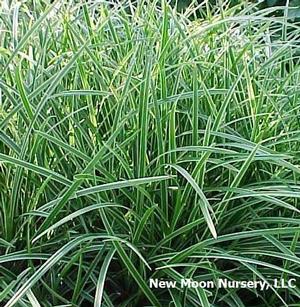
Variegated Sedge is a fine-textured evergreen sedge that forms a neat, fountain-like mound of narrow, arching leaves. The real magic is in the coloring: deep green foliage is edged and streaked with cheerful cream and pale yellow variegation that seems to glow in dim light. The effect is luminous—like someone installed tiny spotlights throughout the plant. Delicate, inconspicuous bronze-tinged flower spikes appear in spring and early summer, but the true show is the foliage that remains ornamental year-round, even under snow.
Growing it in your garden
This is where Variegated Sedge truly shines. Unlike many ornamental plants that demand perfect conditions, CAREX OSHIMENSIS ‘EVERGOLD’ is genuinely adaptable. It tolerates shade—serious, deep shade under established trees where you’d think nothing would grow. It actually prefers moist to consistently moist soil, making it perfect for those low spots in your yard where water collects after spring snowmelt or heavy rains. It’s not fussy about pH and handles New England’s heavy clay soils without complaint. Plant it in groups for a cohesive look, use it as edging along a shaded border, or tuck it into containers for season-long color.
Through the seasons
Spring arrives and Variegated Sedge is already there, evergreen and ready while deciduous shade-lovers are still waking up. As the season progresses, new growth emerges fresh and bright, intensifying the variegation. Summer brings those delicate flower spikes—subtle, but appreciated by gardeners who notice such things. The real gift comes in autumn and winter: while deciduous shrubs drop their leaves and perennials fade to brown, Variegated Sedge remains vibrant and colorful, its pale variegation standing out against the gray Connecticut landscape. Even under snow, if exposed, the foliage glows.
Where it shines
Under trees and in shaded borders—this is Variegated Sedge territory. Along woodland paths, beneath evergreens, in the shadiest corner of your foundation planting: all excellent homes. It’s particularly valuable in rain gardens or bioswales where it handles wet soil with grace. Container plantings benefit tremendously from its texture and color, especially in shaded entryways or covered patios. Pair it along shade borders where it will soften hardscape edges and provide year-round interest without demanding the bright light that many colorful plants require. It’s also wonderful in Japanese-style gardens and naturalistic shade plantings where its refined structure reads as sophisticated rather than accidental.
Perfect companions
Variegated Sedge plays beautifully with other shade lovers. Pair it with Hellebores (HELLEBORUS NIGER) for early spring interest and complementary texture. Japanese Painted Fern (ATHYRIUM NIPONICUM) nearby creates a sophisticated color dialogue. Tiarella and Heuchera add complexity without competing, while Spring Ephemerals like Trillium and Bloodroot appreciate the moist soil. For structure, combine with understated shade shrubs like Dwarf Hinoki Cypress or young Boxwood. In containers, pair with shade-tolerant annuals in softer colors that won’t overwhelm its delicate variegation.
Care tips
Once established, Variegated Sedge is essentially maintenance-free. Water regularly during the first season to help establish a deep root system, then let Connecticut’s natural rainfall do most of the work—especially welcome in those perpetually moist spots. In early spring, you can comb through with your fingers to remove any winter-damaged foliage, though this plant is so hardy you may not need to. It rarely needs division, though you can divide mature plants in spring if you want to expand your planting. No fertilizer necessary; it’s not a heavy feeder. Deer leave it alone, and it has no serious pest issues. That’s it. Plant it and enjoy it.
Quick facts
- Hardiness Zone: 5-9 (thrives throughout Connecticut)
- Mature Height & Spread: 12-18 inches tall and wide
- Bloom Season: Spring to early summer (flowers are incidental)
- Light Requirements: Shade to partial shade (performs better with less light)
- Water Needs: Moist to wet soil; drought tolerant once established but prefers consistent moisture
- Available at: Both our retail and wholesale locations