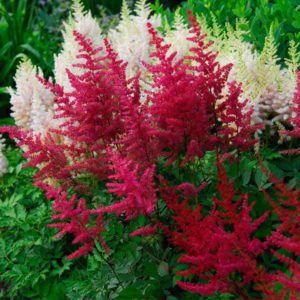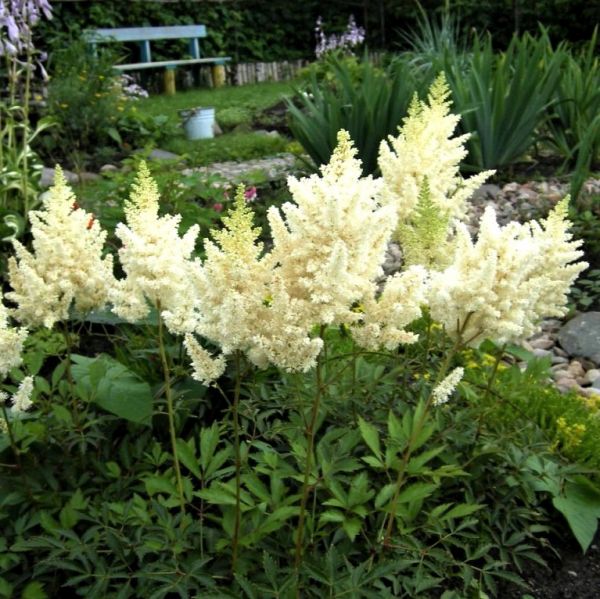
CLETHRA ALNIFOLIA ‘VISIONS IN WHITE’

What if one plant could do everything? This Connecticut native’s cultivar brings the magic of the classic Sweet Pepperbush—beloved for its fragrant summer blooms—but dressed in an outfit so luminous it practically glows in your garden. CLETHRA ALNIFOLIA ‘VISIONS IN WHITE’ takes everything wonderful about the species and cranks up the drama with pristine white flowers so abundant they nearly obscure the foliage beneath. If you’ve ever driven past a sweet pepperbush in mid-July and caught that intoxicating vanilla-honey fragrance drifting across the road, you understand why this plant deserves a place in every New England garden.

What it looks like

Visions in White is an upright, deciduous shrub with a naturally tidy habit that rarely needs heavy pruning. The foliage is a soft, medium green—nothing flashy during spring and summer—but come July and August, the real show begins. Dense, bottlebrush-like panicles of pure white flowers emerge from the branch tips and completely transform the plant. These aren’t tiny, subtle blooms; they’re substantial, showy flower spikes that demand attention. The flowers are followed by small, decorative seed capsules that persist into fall, adding textural interest long after the blooms fade. Come autumn, the leaves turn a warm golden-bronze, creating a lovely secondary season of color before dropping.

Growing it in your garden

Here’s what makes CLETHRA ALNIFOLIA ‘VISIONS IN WHITE’ a superstar in Connecticut gardens: it’s adaptable, unfussy, and genuinely tough. Unlike many ornamental shrubs that demand perfect conditions, this plant thrives in both wet and dry soils—though it honestly prefers things on the moist side. If you have a spot that stays damp year-round, where other plants sulk and struggle, Visions in White will flourish. It handles our acidic New England soils beautifully and doesn’t require amendments or fussing to establish itself.

Plant it in full sun to part shade. You’ll get the most spectacular flowering in full sun, but this shrub is genuinely flexible and will perform admirably in dappled shade. What matters most is good air circulation, which helps prevent mildew on humid August afternoons. Space plants about 4 to 5 feet apart if you’re creating a screen or mass planting; the natural width will fill in nicely within a couple of seasons.

Through the seasons

Spring arrives quietly—new foliage emerges soft and fresh, with no significant ornamental contribution, but the plant is busy gathering strength. Early summer brings anticipation; you’ll spot the flower buds forming at branch tips. Then comes July, when Visions in White truly earns its name. The garden seems to light up with those pristine white flower spikes, and the fragrance is absolutely intoxicating—sweet, honeyed, with a subtle spice that carries on warm breezes. This isn’t a faint scent you have to lean in to detect; it’s generous and welcoming, attracting bees, butterflies, and anyone walking past. The flowers persist through August, even as the plant begins setting seed. Fall brings golden-bronze foliage, and winter reveals an attractive branching structure that has subtle winter interest.

Where it shines

Visions in White is absolutely perfect for moist, difficult sites—along rain gardens, near downspouts, or in low-lying areas that stay soggy after spring snowmelt. It’s equally at home in traditional mixed borders, foundation plantings, or as a flowering screen. Consider using it at the back of a shrub border where its height and late-season flowers can rise above companions. It’s phenomenal in woodland gardens and shade borders where its white flowers create focal points in dim light. If you have poor drainage or acidic soil—both very common in Connecticut—this plant celebrates those conditions rather than just tolerating them.

Perfect companions

Plant Visions in White with other moisture-loving natives like Inkberry Holly or Arborvitae for structure and winter interest. Pair it with shade-tolerant perennials like Astilbe or Hosta to create layers of texture and color. Its white flowers play beautifully against darker foliage, so consider neighboring it with Purple-leafed plants like Smoke Bush or dark-foliaged Heuchera. Native ferns create elegant companions, and late-blooming Coneflowers or Joe-Pye Weed work wonderfully as foreground plantings.

Care tips

Visions in White requires minimal maintenance once established. Water regularly during the first growing season to help roots establish themselves, then only during extended dry spells—though plants in drier locations will appreciate supplemental watering during hot summers. Pruning is rarely necessary; the plant has a naturally attractive form. If you want a denser, more compact plant, you can lightly prune in early spring before new growth emerges. Remove any winter-damaged wood and thin overcrowded branches if needed. A light layer of mulch around the base helps retain moisture in our Connecticut summers.

Quick facts

  • Hardiness Zone: 4–9
  • Mature Height & Spread: 4–6 feet tall and 3–5 feet wide
  • Bloom Season: July through August
  • Light Requirements: Full sun to part shade
  • Water Needs: Moderate to moist; very adaptable to wet soils
  • Available at: Both our retail and wholesale locations
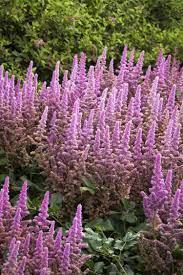
Visions in White

Category:

The shaded woodland garden is one of the toughest spots in the landscape to find plants that will thrive but, Visions in White Astilbe is the perfect summer blooming perennial for such a site

Description

CLETHRA ALNIFOLIA ‘VISIONS IN WHITE’

What if one plant could do everything? This Connecticut native’s cultivar brings the magic of the classic Sweet Pepperbush—beloved for its fragrant summer blooms—but dressed in an outfit so luminous it practically glows in your garden. CLETHRA ALNIFOLIA ‘VISIONS IN WHITE’ takes everything wonderful about the species and cranks up the drama with pristine white flowers so abundant they nearly obscure the foliage beneath. If you’ve ever driven past a sweet pepperbush in mid-July and caught that intoxicating vanilla-honey fragrance drifting across the road, you understand why this plant deserves a place in every New England garden.

What it looks like

Visions in White is an upright, deciduous shrub with a naturally tidy habit that rarely needs heavy pruning. The foliage is a soft, medium green—nothing flashy during spring and summer—but come July and August, the real show begins. Dense, bottlebrush-like panicles of pure white flowers emerge from the branch tips and completely transform the plant. These aren’t tiny, subtle blooms; they’re substantial, showy flower spikes that demand attention. The flowers are followed by small, decorative seed capsules that persist into fall, adding textural interest long after the blooms fade. Come autumn, the leaves turn a warm golden-bronze, creating a lovely secondary season of color before dropping.

Growing it in your garden

Here’s what makes CLETHRA ALNIFOLIA ‘VISIONS IN WHITE’ a superstar in Connecticut gardens: it’s adaptable, unfussy, and genuinely tough. Unlike many ornamental shrubs that demand perfect conditions, this plant thrives in both wet and dry soils—though it honestly prefers things on the moist side. If you have a spot that stays damp year-round, where other plants sulk and struggle, Visions in White will flourish. It handles our acidic New England soils beautifully and doesn’t require amendments or fussing to establish itself.

Plant it in full sun to part shade. You’ll get the most spectacular flowering in full sun, but this shrub is genuinely flexible and will perform admirably in dappled shade. What matters most is good air circulation, which helps prevent mildew on humid August afternoons. Space plants about 4 to 5 feet apart if you’re creating a screen or mass planting; the natural width will fill in nicely within a couple of seasons.

Through the seasons

Spring arrives quietly—new foliage emerges soft and fresh, with no significant ornamental contribution, but the plant is busy gathering strength. Early summer brings anticipation; you’ll spot the flower buds forming at branch tips. Then comes July, when Visions in White truly earns its name. The garden seems to light up with those pristine white flower spikes, and the fragrance is absolutely intoxicating—sweet, honeyed, with a subtle spice that carries on warm breezes. This isn’t a faint scent you have to lean in to detect; it’s generous and welcoming, attracting bees, butterflies, and anyone walking past. The flowers persist through August, even as the plant begins setting seed. Fall brings golden-bronze foliage, and winter reveals an attractive branching structure that has subtle winter interest.

Where it shines

Visions in White is absolutely perfect for moist, difficult sites—along rain gardens, near downspouts, or in low-lying areas that stay soggy after spring snowmelt. It’s equally at home in traditional mixed borders, foundation plantings, or as a flowering screen. Consider using it at the back of a shrub border where its height and late-season flowers can rise above companions. It’s phenomenal in woodland gardens and shade borders where its white flowers create focal points in dim light. If you have poor drainage or acidic soil—both very common in Connecticut—this plant celebrates those conditions rather than just tolerating them.

Perfect companions

Plant Visions in White with other moisture-loving natives like Inkberry Holly or Arborvitae for structure and winter interest. Pair it with shade-tolerant perennials like Astilbe or Hosta to create layers of texture and color. Its white flowers play beautifully against darker foliage, so consider neighboring it with Purple-leafed plants like Smoke Bush or dark-foliaged Heuchera. Native ferns create elegant companions, and late-blooming Coneflowers or Joe-Pye Weed work wonderfully as foreground plantings.

Care tips

Visions in White requires minimal maintenance once established. Water regularly during the first growing season to help roots establish themselves, then only during extended dry spells—though plants in drier locations will appreciate supplemental watering during hot summers. Pruning is rarely necessary; the plant has a naturally attractive form. If you want a denser, more compact plant, you can lightly prune in early spring before new growth emerges. Remove any winter-damaged wood and thin overcrowded branches if needed. A light layer of mulch around the base helps retain moisture in our Connecticut summers.

Quick facts

  • Hardiness Zone: 4–9
  • Mature Height & Spread: 4–6 feet tall and 3–5 feet wide
  • Bloom Season: July through August
  • Light Requirements: Full sun to part shade
  • Water Needs: Moderate to moist; very adaptable to wet soils
  • Available at: Both our retail and wholesale locations