White Fountain Grass

PENNISETUM ALOPECUROIDES ‘白’

What if one plant could bring movement, texture, and that coveted “designer garden” look to your Connecticut landscape without demanding constant fussing? White Fountain Grass does exactly that. Unlike its more common purple cousin, this cultivar stops people mid-stride with its ethereal white plumes that seem to float above feathery green foliage. It’s the plant equivalent of wind chimes—constantly dancing, always catching the light, impossible to ignore. Once you’ve seen it in person, especially when backlighting transforms those plumes into pure silver, you’ll understand why gardeners keep coming back for more.

What it looks like

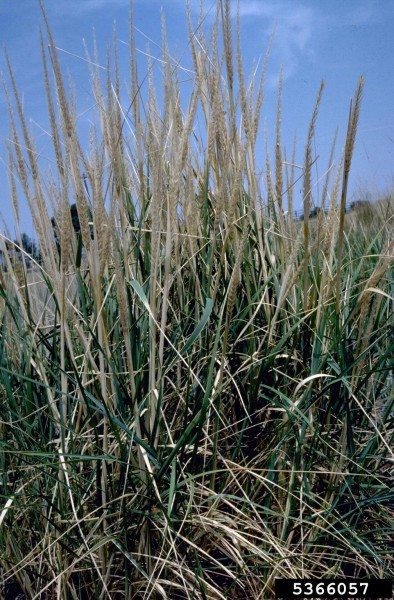
White Fountain Grass is architecture in plant form. Upright clumps of fine-textured, bright green foliage create a neat, tidy mound—usually around 2 to 3 feet tall and equally wide—that stays relatively contained throughout the season. Starting in late summer and continuing through fall, delicate white plumes emerge from the top of the plant, arching gracefully outward in a classic fountain shape. These feathery flower heads catch every breeze and every ray of light, creating movement even on still days. The overall effect is softer, more refined than purple fountain grasses, making it easier to incorporate into mixed borders without overwhelming neighboring plants.

Growing it in your garden

Here’s good news: White Fountain Grass is remarkably forgiving for Connecticut gardens. It thrives in full sun—at least six hours daily—and actually prefers slightly leaner, well-draining soil rather than rich, heavily amended beds. If anything, overly fertile soil can make the plant floppy and reduce flowering vigor. Drainage is the real priority. If your soil tends toward clay, amend generously with compost and coarse sand to create the kind of loose, crumbly texture this grass loves. Plant in spring after soil warms, giving roots time to establish before winter arrives.

Through the seasons

Spring arrives with fresh green shoots pushing up as temperatures climb. By early summer, the plant has filled out completely, offering beautiful texture even before bloom time. Late summer and early fall bring the real show—those stunning white plumes unfurling and developing their full fluffy character. The foliage stays mostly green through early November, then shifts to warm tan and bronze tones that look spectacular against evergreens or dormant perennials. Don’t rush to cut it down. Leave the dried stems standing through winter—they’re beautiful, provide shelter for beneficial insects, and give you that architectural interest when snow clings to them. Cut everything back to about 2 inches in early spring before new growth emerges.

Where it shines

White Fountain Grass earns its place in so many successful gardens because it works in multiple ways. Use it as an accent plant in mixed borders where its movement and light-catching plumes add dynamism to heavy perennials. Plant drifts in contemporary gardens where that architectural quality becomes a design statement. It’s particularly stunning positioned where afternoon or backlight makes those plumes glow. Cottage garden? Yes. Pollinator garden? Absolutely—the flowers attract beneficial insects. Small-space gardens benefit from its relatively upright, non-invasive growth habit. Even in containers on a sunny patio, it performs beautifully, though you’ll want to ensure winter protection in zone 5.

Perfect companions

White Fountain Grass pairs beautifully with plants that have contrasting forms and colors. Deep purple CONEFLOWERS or black-eyed SUSANS create striking color contrast. The silvery plumes also complement blue-flowering plants like VERONICA or DELPHINIUM perfectly. For foliage drama, pair it with dark-leaved HEUCHERA or silver-leafed ARTEMISIA. Ornamental grasses with more substantial forms—like MISCANTHUS or PANICUM—work wonderfully nearby. For late-season interest, add fall bloomers like ASTERS or SEDUM, which will shine against the grass’s warm tan winter tones.

Care tips

In Connecticut’s Zone 5 and 6 conditions, White Fountain Grass is reliably hardy. Once established (after that crucial first year), it’s quite drought-tolerant, though it appreciates moderate moisture during dry spells in summer. Avoid overwatering and never fertilize heavily—you want restrained, elegant growth, not aggressive sprawl. In spring, cut back all dead foliage before new growth begins; some gardeners use a hedge trimmer for efficiency with larger plantings. Divide established clumps every three to four years in spring if you want to propagate or rejuvenate older plants.

Quick facts

  • Hardiness Zone: 5–10
  • Mature Height & Spread: 2–3 feet tall and wide
  • Bloom Season: Late August through October
  • Light Requirements: Full sun (6+ hours daily)
  • Water Needs: Moderate; drought-tolerant once established
  • Available at: Both our retail and wholesale locations

White Fountain Grass

Fountain grasses are perennial plants that form dense clumps of airy foliage. The grasses are a warm season plant, which means that they go dormant in winter. Fountain grass problems are few and the plants are tolerant when established. They are hardy, low maintenance plants for the savvy gardener.

Pot Size (gallons), Height: #3

Description

White Fountain Grass

PENNISETUM ALOPECUROIDES ‘白’

What if one plant could bring movement, texture, and that coveted “designer garden” look to your Connecticut landscape without demanding constant fussing? White Fountain Grass does exactly that. Unlike its more common purple cousin, this cultivar stops people mid-stride with its ethereal white plumes that seem to float above feathery green foliage. It’s the plant equivalent of wind chimes—constantly dancing, always catching the light, impossible to ignore. Once you’ve seen it in person, especially when backlighting transforms those plumes into pure silver, you’ll understand why gardeners keep coming back for more.

What it looks like

White Fountain Grass is architecture in plant form. Upright clumps of fine-textured, bright green foliage create a neat, tidy mound—usually around 2 to 3 feet tall and equally wide—that stays relatively contained throughout the season. Starting in late summer and continuing through fall, delicate white plumes emerge from the top of the plant, arching gracefully outward in a classic fountain shape. These feathery flower heads catch every breeze and every ray of light, creating movement even on still days. The overall effect is softer, more refined than purple fountain grasses, making it easier to incorporate into mixed borders without overwhelming neighboring plants.

Growing it in your garden

Here’s good news: White Fountain Grass is remarkably forgiving for Connecticut gardens. It thrives in full sun—at least six hours daily—and actually prefers slightly leaner, well-draining soil rather than rich, heavily amended beds. If anything, overly fertile soil can make the plant floppy and reduce flowering vigor. Drainage is the real priority. If your soil tends toward clay, amend generously with compost and coarse sand to create the kind of loose, crumbly texture this grass loves. Plant in spring after soil warms, giving roots time to establish before winter arrives.

Through the seasons

Spring arrives with fresh green shoots pushing up as temperatures climb. By early summer, the plant has filled out completely, offering beautiful texture even before bloom time. Late summer and early fall bring the real show—those stunning white plumes unfurling and developing their full fluffy character. The foliage stays mostly green through early November, then shifts to warm tan and bronze tones that look spectacular against evergreens or dormant perennials. Don’t rush to cut it down. Leave the dried stems standing through winter—they’re beautiful, provide shelter for beneficial insects, and give you that architectural interest when snow clings to them. Cut everything back to about 2 inches in early spring before new growth emerges.

Where it shines

White Fountain Grass earns its place in so many successful gardens because it works in multiple ways. Use it as an accent plant in mixed borders where its movement and light-catching plumes add dynamism to heavy perennials. Plant drifts in contemporary gardens where that architectural quality becomes a design statement. It’s particularly stunning positioned where afternoon or backlight makes those plumes glow. Cottage garden? Yes. Pollinator garden? Absolutely—the flowers attract beneficial insects. Small-space gardens benefit from its relatively upright, non-invasive growth habit. Even in containers on a sunny patio, it performs beautifully, though you’ll want to ensure winter protection in zone 5.

Perfect companions

White Fountain Grass pairs beautifully with plants that have contrasting forms and colors. Deep purple CONEFLOWERS or black-eyed SUSANS create striking color contrast. The silvery plumes also complement blue-flowering plants like VERONICA or DELPHINIUM perfectly. For foliage drama, pair it with dark-leaved HEUCHERA or silver-leafed ARTEMISIA. Ornamental grasses with more substantial forms—like MISCANTHUS or PANICUM—work wonderfully nearby. For late-season interest, add fall bloomers like ASTERS or SEDUM, which will shine against the grass’s warm tan winter tones.

Care tips

In Connecticut’s Zone 5 and 6 conditions, White Fountain Grass is reliably hardy. Once established (after that crucial first year), it’s quite drought-tolerant, though it appreciates moderate moisture during dry spells in summer. Avoid overwatering and never fertilize heavily—you want restrained, elegant growth, not aggressive sprawl. In spring, cut back all dead foliage before new growth begins; some gardeners use a hedge trimmer for efficiency with larger plantings. Divide established clumps every three to four years in spring if you want to propagate or rejuvenate older plants.

Quick facts

  • Hardiness Zone: 5–10
  • Mature Height & Spread: 2–3 feet tall and wide
  • Bloom Season: Late August through October
  • Light Requirements: Full sun (6+ hours daily)
  • Water Needs: Moderate; drought-tolerant once established
  • Available at: Both our retail and wholesale locations