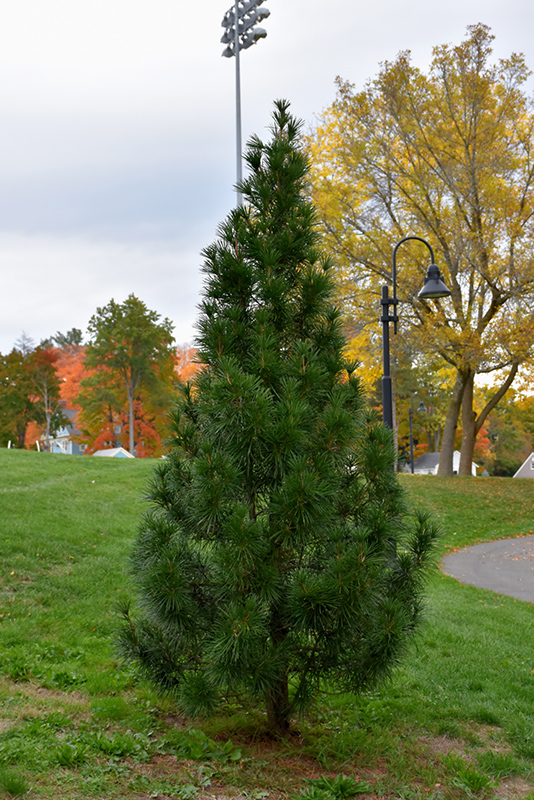
Winter Green Japanese Umbrella Pine

SCIADOPITYS VERTICILLATA

The moment you lay eyes on a Japanese Umbrella Pine, you understand why this ancient tree has captivated gardeners for centuries. There’s something almost architectural about it—a living sculpture that seems deliberately designed rather than naturally grown. If you’re looking for a plant that brings year-round intrigue, architectural presence, and a genuine conversation starter to your Connecticut garden, this is it. This isn’t just another evergreen; it’s a statement piece that proves sophisticated style doesn’t require fussiness.

What it looks like

Picture a perfectly proportioned, narrow pyramidal form dressed in the most unusual foliage you’ve ever seen. Rather than typical needle-like leaves, the Japanese Umbrella Pine produces whorled clusters of long, glossy, deep green needles that radiate outward like tiny green umbrellas—hence the common name. These needle clusters are arranged in distinctive tiers along the branches, creating a layered, almost feathery silhouette. In winter, the foliage deepens to a rich, warm green with bronze undertones that catch the light beautifully. The overall effect is refined, somewhat exotic, and decidedly elegant. Mature trees develop reddish-brown bark that adds another layer of visual interest during the darker months.

Growing it in your garden

Here’s what makes SCIADOPITYS VERTICILLATA special: it’s surprisingly adaptable once established, though it does appreciate certain conditions. In Connecticut gardens, plant it where it receives afternoon shade during hot summers—morning sun is perfect, but intense afternoon heat can stress it. The key to success is well-draining soil enriched with organic matter. This tree prefers slightly acidic conditions and consistent moisture, particularly during its first few years. Unlike some temperamental exotic plants, it’s actually quite hardy and will settle into New England’s climate beautifully. Avoid hot, dry, windy spots and heavy clay soils, and you’ll have a thriving specimen for decades.

Through the seasons

Spring brings fresh new growth tinted with soft bronze before deepening to rich green. Summer is when those umbrella-like needle clusters are most prominent and beautiful, providing year-round interest without the deciduous look. In autumn, while many trees are dropping their leaves, your Japanese Umbrella Pine becomes even more prominent in the landscape, its deep green foliage and distinctive form creating a striking focal point. Winter is where this plant truly shines—while everything else fades to brown and gray, the warm, bronze-tinged green of SCIADOPITYS VERTICILLATA reminds you that there’s life and color in the garden even in Connecticut’s coldest months. It’s the plant that makes December feel less bleak.

Where it shines

This is your go-to plant for creating a sense of sophistication and Japanese-inspired aesthetics. Plant it as a specimen tree where it can be admired from multiple angles—near an entry, in a prominent garden bed, or as a focal point in a woodland setting. It’s perfect for gardeners who love Japanese gardens, modern landscapes, or anyone seeking something with genuine presence and character. The Japanese Umbrella Pine also works beautifully in foundation plantings where you need vertical interest without the aggressive growth of typical conifers. Because it stays relatively narrow and grows slowly, it’s ideal for smaller properties where space is precious but impact matters.

Perfect companions

Pair your Japanese Umbrella Pine with shade-loving hostas, ferns, and Japanese maples to create a serene woodland vignette. Evergreen groundcovers like PACHYSANDRA or AJUGA work beautifully at its base. Hellebores and shade-tolerant sedges add textural interest. For a more contemporary feel, consider pairing it with architectural plants like Japanese forest grass or dwarf conifers that echo its refined aesthetic without competing for attention.

Care tips

Water regularly during the first growing season and during dry spells thereafter. A 2-3 inch layer of mulch keeps roots cool and moist, which this tree appreciates. Pruning is rarely necessary—the Japanese Umbrella Pine naturally develops a beautiful form. Avoid heavy, wet snow accumulation on branches if possible, though the tree is generally quite tough. In Connecticut’s variable springs, protect young trees from harsh winds until they’re well-established. This is a plant that rewards patience; while it doesn’t race skyward, the slow growth means years of structural beauty in your landscape.

Quick facts

  • Hardiness Zone: 4-8 (perfect for Connecticut)
  • Mature Height & Spread: 30-40 feet tall, 10-15 feet wide (extremely slow growing)
  • Bloom Season: Non-flowering; foliage interest year-round
  • Light Requirements: Partial shade to morning sun; afternoon shade in hot climates
  • Water Needs: Moderate; prefers consistent moisture and well-draining soil
  • Available at: Both our retail and wholesale locations

Winter Green Japanese Umbrella Pine

One of the finest forms of this species, features a narrow conical habit and whorls of long green needles that do not discolor in winter; grows slowly and has a surreal pristine form; a beautiful focal point on the landscape

Pot Size (gallons), Height: 5-6′

Description

Winter Green Japanese Umbrella Pine

SCIADOPITYS VERTICILLATA

The moment you lay eyes on a Japanese Umbrella Pine, you understand why this ancient tree has captivated gardeners for centuries. There’s something almost architectural about it—a living sculpture that seems deliberately designed rather than naturally grown. If you’re looking for a plant that brings year-round intrigue, architectural presence, and a genuine conversation starter to your Connecticut garden, this is it. This isn’t just another evergreen; it’s a statement piece that proves sophisticated style doesn’t require fussiness.

What it looks like

Picture a perfectly proportioned, narrow pyramidal form dressed in the most unusual foliage you’ve ever seen. Rather than typical needle-like leaves, the Japanese Umbrella Pine produces whorled clusters of long, glossy, deep green needles that radiate outward like tiny green umbrellas—hence the common name. These needle clusters are arranged in distinctive tiers along the branches, creating a layered, almost feathery silhouette. In winter, the foliage deepens to a rich, warm green with bronze undertones that catch the light beautifully. The overall effect is refined, somewhat exotic, and decidedly elegant. Mature trees develop reddish-brown bark that adds another layer of visual interest during the darker months.

Growing it in your garden

Here’s what makes SCIADOPITYS VERTICILLATA special: it’s surprisingly adaptable once established, though it does appreciate certain conditions. In Connecticut gardens, plant it where it receives afternoon shade during hot summers—morning sun is perfect, but intense afternoon heat can stress it. The key to success is well-draining soil enriched with organic matter. This tree prefers slightly acidic conditions and consistent moisture, particularly during its first few years. Unlike some temperamental exotic plants, it’s actually quite hardy and will settle into New England’s climate beautifully. Avoid hot, dry, windy spots and heavy clay soils, and you’ll have a thriving specimen for decades.

Through the seasons

Spring brings fresh new growth tinted with soft bronze before deepening to rich green. Summer is when those umbrella-like needle clusters are most prominent and beautiful, providing year-round interest without the deciduous look. In autumn, while many trees are dropping their leaves, your Japanese Umbrella Pine becomes even more prominent in the landscape, its deep green foliage and distinctive form creating a striking focal point. Winter is where this plant truly shines—while everything else fades to brown and gray, the warm, bronze-tinged green of SCIADOPITYS VERTICILLATA reminds you that there’s life and color in the garden even in Connecticut’s coldest months. It’s the plant that makes December feel less bleak.

Where it shines

This is your go-to plant for creating a sense of sophistication and Japanese-inspired aesthetics. Plant it as a specimen tree where it can be admired from multiple angles—near an entry, in a prominent garden bed, or as a focal point in a woodland setting. It’s perfect for gardeners who love Japanese gardens, modern landscapes, or anyone seeking something with genuine presence and character. The Japanese Umbrella Pine also works beautifully in foundation plantings where you need vertical interest without the aggressive growth of typical conifers. Because it stays relatively narrow and grows slowly, it’s ideal for smaller properties where space is precious but impact matters.

Perfect companions

Pair your Japanese Umbrella Pine with shade-loving hostas, ferns, and Japanese maples to create a serene woodland vignette. Evergreen groundcovers like PACHYSANDRA or AJUGA work beautifully at its base. Hellebores and shade-tolerant sedges add textural interest. For a more contemporary feel, consider pairing it with architectural plants like Japanese forest grass or dwarf conifers that echo its refined aesthetic without competing for attention.

Care tips

Water regularly during the first growing season and during dry spells thereafter. A 2-3 inch layer of mulch keeps roots cool and moist, which this tree appreciates. Pruning is rarely necessary—the Japanese Umbrella Pine naturally develops a beautiful form. Avoid heavy, wet snow accumulation on branches if possible, though the tree is generally quite tough. In Connecticut’s variable springs, protect young trees from harsh winds until they’re well-established. This is a plant that rewards patience; while it doesn’t race skyward, the slow growth means years of structural beauty in your landscape.

Quick facts

  • Hardiness Zone: 4-8 (perfect for Connecticut)
  • Mature Height & Spread: 30-40 feet tall, 10-15 feet wide (extremely slow growing)
  • Bloom Season: Non-flowering; foliage interest year-round
  • Light Requirements: Partial shade to morning sun; afternoon shade in hot climates
  • Water Needs: Moderate; prefers consistent moisture and well-draining soil
  • Available at: Both our retail and wholesale locations