
Description
VIBURNUM × PRAGENSE ‘WINTERTHUR’
What if one plant could deliver four-season interest, fragrant flowers that smell like heaven, and a growth habit so naturally graceful you barely need to prune it? Winterthur Viburnum is exactly that plant—a Connecticut gardener’s dream that somehow doesn’t get nearly enough attention. Named after the famous Delaware estate gardens, this hybrid viburnum brings sophisticated European breeding together with the toughness our New England climate demands. If you’ve walked past one in full bloom, you know that intoxicating fragrance that stops you mid-stride. If you haven’t yet, it’s time to change that.
What it looks like
Winterthur is a compact, deciduous shrub with an elegant, naturally mounded form that looks like someone spent all summer pruning—except you won’t have to lift a finger. The foliage is deep green and finely textured, creating a refined appearance even when the plant isn’t in bloom. In spring (usually late April into May), it erupts with clusters of sweetly fragrant, pale pink flowers that deepen to white as they age. It’s the kind of subtle color shift that feels expensive and intentional.
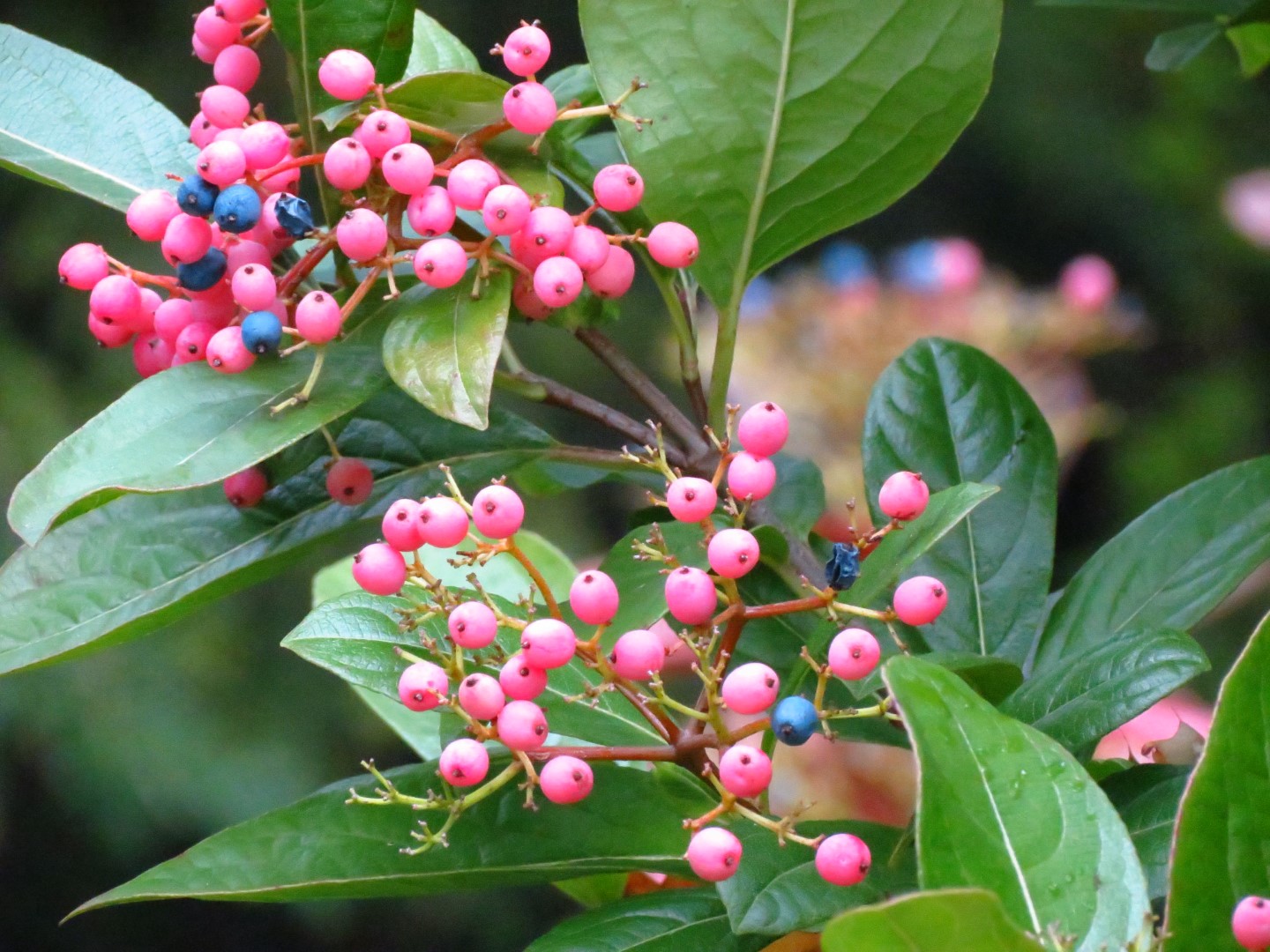
The real magic happens as seasons change. In summer, small red berries develop, gradually turning black as they mature—assuming the birds don’t beat you to them. Come autumn, the foliage puts on a quiet show, shifting to burgundy and wine tones that look sophisticated rather than garish. Even in winter, the dark stem structure provides architectural interest to the bare garden.
Growing it in your garden
Winterthur Viburnum is one of those plants that makes you look like a garden genius because it thrives on absolutely nothing but basic care. It’s hardy throughout Connecticut and prefers full sun to partial shade—give it at least four to six hours of direct sunlight for the best flowering and fall color. In terms of soil, this viburnum isn’t particularly fussy. It adapts to average garden soil, though like most plants, it appreciates decent drainage. If you’re amending your planting hole, work in some compost, but honestly, this plant will establish beautifully in regular New England soil.
The real advantage of VIBURNUM × PRAGENSE ‘WINTERTHUR’ is how little pruning it needs. Unlike some viburnums that develop gangly, sparse growth if you’re not vigilant, Winterthur has a naturally compact, tidy branching habit. You can lightly shape it if you want, but you could also just let it be its lovely self.
Through the seasons
Spring is when Winterthur commands your full attention. Those fragrant flower clusters emerge in abundance, making this a genuine focal point in the garden. The scent carries on the breeze—plant it near a seating area to maximize the aromatics.
By early summer, the flowers fade and the berries start their color journey. The foliage remains a clean, deep green throughout the growing season. Summer is when Winterthur becomes more of a supporting player—a beautiful backdrop to other blooming plants.
Autumn brings the foliage show: burgundy, wine, and purple tones that develop gradually and hold well into early winter. In our Connecticut climate, this color typically appears in October and lasts through November.
Winter reveals the plant’s structural form. The dark stems become visible, providing visual interest in the quiet months. In a garden lacking evergreen structure, deciduous plants like this remind you why you planted everything exactly where you did.
Where it shines
Winterthur is magnificent in shrub borders, where its compact size keeps it from overwhelming nearby plants and its natural shape means it plays nicely with companions. Use it as a specimen planting where you can appreciate that fragrant spring bloom up close. In a smaller yard, one well-placed Winterthur Viburnum can anchor an entire landscape corner.
It’s also lovely for fragrance gardens—plant it where you’ll encounter that sweet scent regularly. Near a kitchen window, beside a patio, or near a garden bench makes perfect sense.
Perfect companions
Pair Winterthur with spring bulbs beneath it—daffodils and hellebores look gorgeous under its emerging foliage. Nearby, plant shade-tolerant perennials like HELLEBORUS NIGER or HEUCHERA to pick up the burgundy tones from the fall color. Evergreen companions like boxwood or dwarf Alberta spruce help define structure when Winterthur is dormant. For a fragrant combination, pair it with other spring bloomers like MAGNOLIA or flowering cherry.
Care tips
Water regularly during the first growing season while roots establish themselves. Once established, Winterthur is fairly drought-tolerant, though consistent moisture produces the best growth and flowering. In harsh Connecticut winters, mulch around the base with 2-3 inches of organic material, keeping it a few inches away from the stem. Prune right after flowering if you need to, though restraint is the best approach here—this plant earned its reputation for being low-maintenance.
Quick facts
- Hardiness Zone: 5-8
- Mature Height & Spread: 8-10 feet tall and wide
- Bloom Season: Late April through May
- Light Requirements: Full sun to part shade
- Water Needs: Moderate; consistent during establishment
- Available at: Both our retail and wholesale locations