
Description

CORNUS SERICEA ‘WOLF EYES’
What if one shrub could handle the toughest Connecticut growing conditions while looking absolutely stunning all year long? Wolf Eyes Dogwood is exactly that plant. This compact, deciduous shrub earned its intriguing name from its striking variegated foliage—creamy white leaf margins that look almost like eyes peering out from the garden. But the real magic happens in winter when the bare stems reveal themselves in brilliant red, turning your dormant landscape into a smoldering fire that glows against snow and gray skies. It’s the kind of plant that makes January garden walks worthwhile.
What it looks like
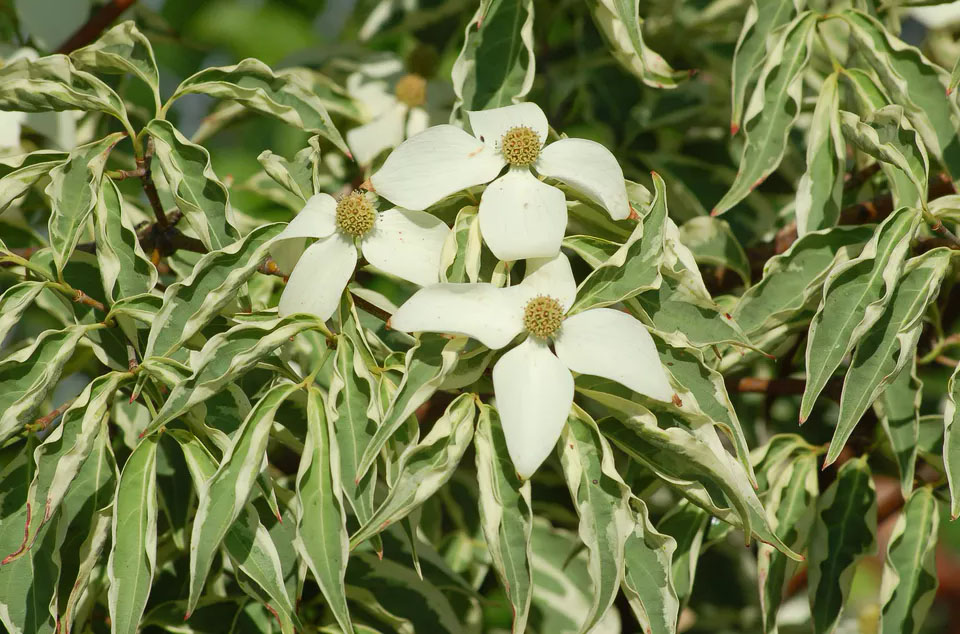
Wolf Eyes Dogwood is a deciduous shrub with a tidy, upright-spreading habit that typically grows into a neat, manageable mound. The real showstopper here is the foliage: medium green leaves with creamy white margins create a variegated effect that’s subtle but sophisticated—never gaudy or overpowering. As temperatures cool in autumn, that foliage puts on a brief performance with reddish-purple tones before dropping to reveal the true winter star.
Those winter stems are where Wolf Eyes truly earns its place in the garden. Bright red-crimson colored wood provides color from November through March, when most of the New England landscape has faded to monochrome. Small, flat clusters of white flowers appear in late spring to early summer, followed by white berries that birds adore. The overall shape is compact and refined—perfect for smaller spaces where you need maximum impact from every square inch.
Growing it in your garden
Here’s what makes Wolf Eyes such a gift for Connecticut gardeners: this shrub is almost foolproof. It’s a native species (CORNUS SERICEA is wild throughout much of North America) which means it’s genetically programmed to thrive in New England conditions. Plant it in full sun to part shade—it will perform in either, though you’ll get the most vibrant stem color with at least four to six hours of direct sun.
Unlike many ornamental dogwoods that demand perfectly drained soil, Wolf Eyes is actually happier with moisture. Wet spots that challenge other plants? This dogwood laughs at them. It tolerates clay, loam, sandy soil, and everything in between. It even handles occasional flooding better than most shrubs. That said, it does appreciate organic matter worked into the planting hole, which helps retain the moisture it loves while improving overall soil structure.
Through the seasons
Spring brings those delicate white flower clusters—nothing flashy, but appreciated by pollinators and perfectly in keeping with the plant’s refined aesthetic. The variegated foliage emerges in that lovely green-and-cream pattern, immediately brightening shaded corners and providing visual relief against darker-leafed neighbors.
Summer is when Wolf Eyes recedes slightly into the background, playing a supporting role to showier bloomers while providing excellent textural contrast and the cooling effect that variegated plants bring to hot spots.
Fall is brief but beautiful, with foliage shifting to reddish tones before dropping away. Don’t see this as loss—you’re actually unveiling the main event. By November, those glowing red stems become the star of the show, providing color when the rest of the garden has surrendered to dormancy. The white berries persist into winter, adding another layer of visual interest and feeding birds well into cold months.
Where it shines
Wolf Eyes Dogwood excels in mixed borders where you need year-round interest. Use it as a specimen in a space where winter color matters—near a patio you’ll see from windows, along the entry path, or at a garden corner that gets winter sun. It’s also perfect for rain gardens and other areas that collect moisture, where its flood tolerance is a genuine advantage.
The variegated foliage makes it an excellent choice for brightening shady areas—the creamy white margins actually seem to glow in dappled light. Pair it near dark evergreens like yews or ILEX species, and Wolf Eyes becomes a beacon of brightness.
Perfect companions
Wolf Eyes works beautifully with other winter-interest plants. Pair it with ornamental grasses that provide structure after frost, or combine it with other colorful-stemmed dogwoods like Tatarian Dogwood (CORNUS ALBA ‘SIBIRICA’) for a symphony of winter reds. Nearby evergreens in deep green or blue tones make the variegated foliage pop even more.
In summer, let Wolf Eyes play supporting character to hydrangeas, ornamental shrubs, or shade-loving perennials. Its understated elegance never competes.
Care tips
Wolf Eyes Dogwood is genuinely low-maintenance. Water regularly during establishment (first year), then regularly during Connecticut’s dry spells—but don’t stress about frequent watering; this shrub is flexible. For the most vibrant winter stem color, prune in early spring before new growth emerges. Removing about one-third of the oldest stems encourages bright red regrowth. Fertilizer is rarely necessary if you’ve amended the soil at planting time.
Quick facts
- Hardiness Zone: Zones 4-8 (reliably hardy throughout Connecticut)
- Mature Height & Spread: 5-8 feet tall and wide
- Bloom Season: Late May through early June
- Light Requirements: Full sun to part shade
- Water Needs: Moderate to high; tolerates wet soil
- Available at: Both our retail and wholesale locations