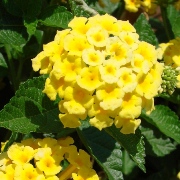
Yellow Sage

SALVIA NEMOROSA ‘MAINACHT’

What if you could have a plant that practically runs itself while delivering months of jewel-toned purple-blue spikes in a garden where so many other things struggle? Yellow Sage—or more accurately, Meadow Sage in its ‘Mainacht’ (May Night) cultivar—is that refreshing answer to the gardener who wants reliable beauty without the fussing. This compact powerhouse blooms in deep violet-purple (the “yellow” nickname comes from the golden-yellow stamens hidden within the flowers, a delightful surprise when you look closely), and it returns faithfully year after year in New England gardens with almost no complaints.

What it looks like

Picture a neat mound of soft, lance-shaped gray-green foliage topped with upright spikes of densely packed flowers. Those flower spikes rise 18 to 24 inches above the base, creating clean vertical lines in the garden that feel modern and architectural. The individual flowers are small and tubular, arranged in whorled clusters that run up the spike, and they’re that captivating deep purple-blue that seems to vibrate against other garden colors. The whole plant has an almost architectural quality—tidy without being fussy, elegant without pretension.

Growing it in your garden

Here’s where SALVIA NEMOROSA ‘MAINACHT’ truly shines: it’s astonishingly adaptable. Plant it in full sun (6+ hours) where it’ll flower most prolifically, or give it afternoon shade in hot summers—it’ll still perform beautifully. The key is well-draining soil; this sage evolved in meadow conditions and abhors wet feet, so if you’re amending clay, work in compost or sand to improve drainage. It’s not fussy about soil fertility; in fact, overly rich soil can make plants floppier. Once established, it’s drought-tolerant, which means you’re not tending it constantly through Connecticut’s dry spells. This is a plant that actually prefers a bit of benign neglect to coddling.

Through the seasons

Spring brings fresh green growth emerging from the ground, often earlier than you expect. By late May or early June, those magnificent flower spikes appear and bloom for weeks—sometimes up to eight weeks if conditions are right. If you cut the spent flowers back by half in mid-summer, you’ll often get a second, lighter flush of blooms in late August or September. The foliage persists through fall, offering a soft texture as other plants fade, and it remains semi-evergreen through most Connecticut winters, creating structure in the garden even in December.

Where it shines

This sage is at its best in perennial borders where its vertical habit creates rhythm and movement among mounding neighbors. It’s exceptional in contemporary gardens where clean lines and color discipline matter. Plant it in drifts of three or five for maximum impact in mid-sized borders, or use a single specimen as an accent. The long bloom season makes it invaluable in a cottage-style mixed planting where you’re layering bloom times. It’s also surprisingly good in containers, as long as you ensure excellent drainage.

Perfect companions

The deep purple-blue flowers pair gorgeously with silver-foliaged plants like artemisia or dusty miller. Combine it with yellow-flowering companions—ACHILLEA ‘Moonshine’ or early season daylilies—for complementary color contrast. Creamy or pale pink flowers (think PAEONIA or pale DIANTHUS) create a softer, romantic pairing. It also looks stunning with other spiky or vertical forms like VERONICA or LIATRIS, creating a sophisticated texture play. White-flowering companions like gaura or phlox offer classic, clean combinations.

Care tips

Deadhead spent flower spikes regularly to extend bloom and maintain a tidy appearance—this is genuinely the hardest work this plant demands. Cut plants back to the basal foliage in early spring (late March in Connecticut) once new growth is clearly visible. You shouldn’t need to divide it frequently, but if the center becomes woody after four or five years, divide in spring to rejuvenate. In terms of pests and diseases, you’re looking at a remarkably clean performer; occasionally spider mites might appear in very hot, dry conditions, but a strong spray of water usually solves that problem.

Quick facts

  • Hardiness Zone: Zones 3-9 (thoroughly hardy in Connecticut)
  • Mature Height & Spread: 18-24 inches tall, 12-18 inches wide
  • Bloom Season: Late May through July, with possible repeat bloom in late summer
  • Light Requirements: Full sun to part afternoon shade
  • Water Needs: Low to moderate; drought-tolerant once established
  • Available at: Both our retail and wholesale locations

Yellow Sage

The showy flowers appear from mid-summer until the first frost and come in a wide range of color from pink, white, yellow, orange red, and purple or mixed colors.

Pot Size (gallons), Height: #1

Description

Yellow Sage

SALVIA NEMOROSA ‘MAINACHT’

What if you could have a plant that practically runs itself while delivering months of jewel-toned purple-blue spikes in a garden where so many other things struggle? Yellow Sage—or more accurately, Meadow Sage in its ‘Mainacht’ (May Night) cultivar—is that refreshing answer to the gardener who wants reliable beauty without the fussing. This compact powerhouse blooms in deep violet-purple (the “yellow” nickname comes from the golden-yellow stamens hidden within the flowers, a delightful surprise when you look closely), and it returns faithfully year after year in New England gardens with almost no complaints.

What it looks like

Picture a neat mound of soft, lance-shaped gray-green foliage topped with upright spikes of densely packed flowers. Those flower spikes rise 18 to 24 inches above the base, creating clean vertical lines in the garden that feel modern and architectural. The individual flowers are small and tubular, arranged in whorled clusters that run up the spike, and they’re that captivating deep purple-blue that seems to vibrate against other garden colors. The whole plant has an almost architectural quality—tidy without being fussy, elegant without pretension.

Growing it in your garden

Here’s where SALVIA NEMOROSA ‘MAINACHT’ truly shines: it’s astonishingly adaptable. Plant it in full sun (6+ hours) where it’ll flower most prolifically, or give it afternoon shade in hot summers—it’ll still perform beautifully. The key is well-draining soil; this sage evolved in meadow conditions and abhors wet feet, so if you’re amending clay, work in compost or sand to improve drainage. It’s not fussy about soil fertility; in fact, overly rich soil can make plants floppier. Once established, it’s drought-tolerant, which means you’re not tending it constantly through Connecticut’s dry spells. This is a plant that actually prefers a bit of benign neglect to coddling.

Through the seasons

Spring brings fresh green growth emerging from the ground, often earlier than you expect. By late May or early June, those magnificent flower spikes appear and bloom for weeks—sometimes up to eight weeks if conditions are right. If you cut the spent flowers back by half in mid-summer, you’ll often get a second, lighter flush of blooms in late August or September. The foliage persists through fall, offering a soft texture as other plants fade, and it remains semi-evergreen through most Connecticut winters, creating structure in the garden even in December.

Where it shines

This sage is at its best in perennial borders where its vertical habit creates rhythm and movement among mounding neighbors. It’s exceptional in contemporary gardens where clean lines and color discipline matter. Plant it in drifts of three or five for maximum impact in mid-sized borders, or use a single specimen as an accent. The long bloom season makes it invaluable in a cottage-style mixed planting where you’re layering bloom times. It’s also surprisingly good in containers, as long as you ensure excellent drainage.

Perfect companions

The deep purple-blue flowers pair gorgeously with silver-foliaged plants like artemisia or dusty miller. Combine it with yellow-flowering companions—ACHILLEA ‘Moonshine’ or early season daylilies—for complementary color contrast. Creamy or pale pink flowers (think PAEONIA or pale DIANTHUS) create a softer, romantic pairing. It also looks stunning with other spiky or vertical forms like VERONICA or LIATRIS, creating a sophisticated texture play. White-flowering companions like gaura or phlox offer classic, clean combinations.

Care tips

Deadhead spent flower spikes regularly to extend bloom and maintain a tidy appearance—this is genuinely the hardest work this plant demands. Cut plants back to the basal foliage in early spring (late March in Connecticut) once new growth is clearly visible. You shouldn’t need to divide it frequently, but if the center becomes woody after four or five years, divide in spring to rejuvenate. In terms of pests and diseases, you’re looking at a remarkably clean performer; occasionally spider mites might appear in very hot, dry conditions, but a strong spray of water usually solves that problem.

Quick facts

  • Hardiness Zone: Zones 3-9 (thoroughly hardy in Connecticut)
  • Mature Height & Spread: 18-24 inches tall, 12-18 inches wide
  • Bloom Season: Late May through July, with possible repeat bloom in late summer
  • Light Requirements: Full sun to part afternoon shade
  • Water Needs: Low to moderate; drought-tolerant once established
  • Available at: Both our retail and wholesale locations