Yongii Serpentine River Birch

BETULA NIGRA ‘YONGII SERPENTINE’

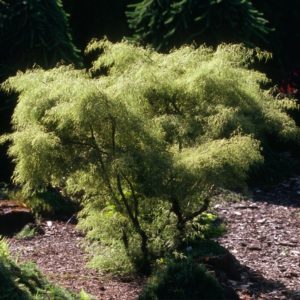
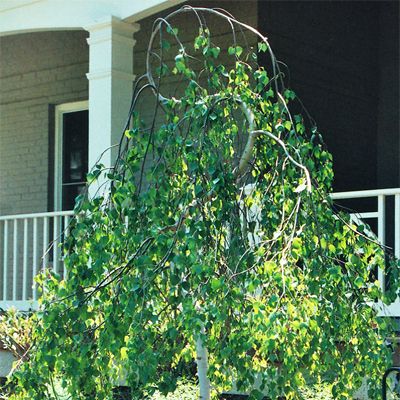
The Yongii Serpentine River Birch is what happens when Mother Nature decides to show off a little. If you’ve admired those stunning river birches with their dramatic peeling bark, but worried they’d get too tall for your space, this cultivar is the answer you’ve been waiting for. With a gracefully weeping, spreading habit that rarely exceeds 15 feet tall, this tree brings all the elegance of a full-size river birch in a form that actually fits most Connecticut landscapes. The twisted, contorted branching pattern that gives this variety its “serpentine” name creates visual interest even in winter—imagine having living sculpture in your garden year-round.

What it looks like

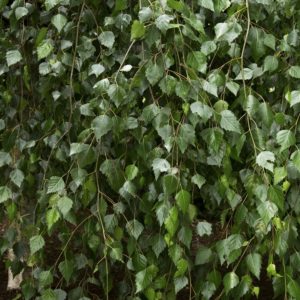
This is a tree that works hard to earn your attention. The BETULA NIGRA ‘YONGII SERPENTINE’ develops beautiful exfoliating bark in shades of cream, tan, and cinnamon-brown—that characteristic river birch peeling that’s absolutely stunning in winter sunlight. The fine-textured, bright green foliage is smaller and more delicate than some birch varieties, creating an airy, almost cloud-like canopy in summer. But the real signature feature is those wonderfully twisted and contorted branches that create an architectural form. This isn’t a stiff, formal tree—it’s sculptural and organic, with branches that seem to dance as they reach outward and downward. In spring, you’ll enjoy the golden-green catkins that appear before the leaves fully emerge, adding another layer of seasonal interest.

Growing it in your garden

River birches are native to the eastern United States and thrive in New England conditions, and the Yongii Serpentine is no exception. It prefers full sun to part shade—give it at least four hours of direct sun daily to develop that gorgeous bark color and maintain healthy branching density. The real secret to success with this tree is understanding that river birches love moisture. Unlike the white birches that struggle in Connecticut’s humid summers and are prone to bronze birch borers, the BETULA NIGRA ‘YONGII SERPENTINE’ actually prefers consistently moist soil. This makes it perfect for that tricky low spot in your garden, near a rain garden, or anywhere else you’re dealing with seasonal wetness. That said, it will grow just fine in regular garden soil as long as you’re attentive to watering during dry spells in summer.

Plant in early spring or fall when the soil is cool and moist. Dig a hole as deep as the root ball and twice as wide, and backfill with your native soil amended with compost. Water deeply after planting and keep the soil consistently moist (not soggy) through the first growing season.

Through the seasons

Spring arrives with those delicate catkins and fresh, bright green foliage that seems to glow in the morning light. Summer brings a full, airy canopy that filters light beautifully and creates dappled shade below—perfect for shade-loving plants. The fine texture stays elegant all season long, and the tree rarely suffers from the insect problems that plague other birch varieties in Connecticut’s climate. Fall turns that foliage a warm golden-yellow that can light up an entire corner of your garden. And then comes winter, when all those twisted, serpentine branches and the exfoliating bark truly shine. The cream and cinnamon colors are especially striking against snow or a clear blue winter sky.

Where it shines

This tree is ideal for gardens where you want height and structure without the footprint of a large shade tree. It’s perfect as a specimen plant—place it somewhere you can truly appreciate those contorted branches. It works beautifully near water features or in naturalized settings. The moderate spread makes it excellent for smaller lots while still delivering that elegant, estate-garden feeling. Use it as a focal point in a mixed border, or plant a group of three at varying distances for a natural, woodland-like composition. It’s also wonderful near patios or seating areas where you can enjoy both the dappled shade and the visual interest of the branching structure.

Perfect companions

Plant shade-loving hostas, ferns, and hellebores beneath the canopy for a lush understory. Japanese forest grass (HAKONECHLOA) and sedges add softness and movement. Shade-tolerant shrubs like oakleaf hydrangeas and native viburnums make excellent companions. In sunnier areas around the dripline, try native New England wildflowers like woodland phlox and wild ginger.

Care tips

Water regularly during the first two years, especially during dry spells. Mulch around the base with 2-3 inches of compost, keeping it away from the trunk. River birches rarely need pruning—in fact, minimal pruning is best, as it allows the natural weeping form to develop fully. Any necessary pruning should be done in late fall or winter. Monitor for Japanese beetles in early summer (they rarely cause serious damage but can be hand-picked). This variety shows excellent resistance to bronze birch borer, which makes it far superior to white birch species for Connecticut gardens.

Quick facts

  • Hardiness Zone: 4-9
  • Mature Height & Spread: 15 feet tall × 12-15 feet wide
  • Bloom Season: Spring catkins
  • Light Requirements: Full sun to part shade (at least 4 hours direct sun daily)
  • Water Needs: Moist to consistently moist; excellent for wet soil
  • Available at: Both our retail and wholesale locations
Yongii Serpentine River Birch

Category:

A most unusual small tree with very pendulous branches. The graceful mounding form beautifully displays the dramatic, weeping habit, and develops a noticeable trunk with age

Zoning: 2-6

Description

Yongii Serpentine River Birch

BETULA NIGRA ‘YONGII SERPENTINE’

The Yongii Serpentine River Birch is what happens when Mother Nature decides to show off a little. If you’ve admired those stunning river birches with their dramatic peeling bark, but worried they’d get too tall for your space, this cultivar is the answer you’ve been waiting for. With a gracefully weeping, spreading habit that rarely exceeds 15 feet tall, this tree brings all the elegance of a full-size river birch in a form that actually fits most Connecticut landscapes. The twisted, contorted branching pattern that gives this variety its “serpentine” name creates visual interest even in winter—imagine having living sculpture in your garden year-round.

What it looks like

This is a tree that works hard to earn your attention. The BETULA NIGRA ‘YONGII SERPENTINE’ develops beautiful exfoliating bark in shades of cream, tan, and cinnamon-brown—that characteristic river birch peeling that’s absolutely stunning in winter sunlight. The fine-textured, bright green foliage is smaller and more delicate than some birch varieties, creating an airy, almost cloud-like canopy in summer. But the real signature feature is those wonderfully twisted and contorted branches that create an architectural form. This isn’t a stiff, formal tree—it’s sculptural and organic, with branches that seem to dance as they reach outward and downward. In spring, you’ll enjoy the golden-green catkins that appear before the leaves fully emerge, adding another layer of seasonal interest.

Growing it in your garden

River birches are native to the eastern United States and thrive in New England conditions, and the Yongii Serpentine is no exception. It prefers full sun to part shade—give it at least four hours of direct sun daily to develop that gorgeous bark color and maintain healthy branching density. The real secret to success with this tree is understanding that river birches love moisture. Unlike the white birches that struggle in Connecticut’s humid summers and are prone to bronze birch borers, the BETULA NIGRA ‘YONGII SERPENTINE’ actually prefers consistently moist soil. This makes it perfect for that tricky low spot in your garden, near a rain garden, or anywhere else you’re dealing with seasonal wetness. That said, it will grow just fine in regular garden soil as long as you’re attentive to watering during dry spells in summer.

Plant in early spring or fall when the soil is cool and moist. Dig a hole as deep as the root ball and twice as wide, and backfill with your native soil amended with compost. Water deeply after planting and keep the soil consistently moist (not soggy) through the first growing season.

Through the seasons

Spring arrives with those delicate catkins and fresh, bright green foliage that seems to glow in the morning light. Summer brings a full, airy canopy that filters light beautifully and creates dappled shade below—perfect for shade-loving plants. The fine texture stays elegant all season long, and the tree rarely suffers from the insect problems that plague other birch varieties in Connecticut’s climate. Fall turns that foliage a warm golden-yellow that can light up an entire corner of your garden. And then comes winter, when all those twisted, serpentine branches and the exfoliating bark truly shine. The cream and cinnamon colors are especially striking against snow or a clear blue winter sky.

Where it shines

This tree is ideal for gardens where you want height and structure without the footprint of a large shade tree. It’s perfect as a specimen plant—place it somewhere you can truly appreciate those contorted branches. It works beautifully near water features or in naturalized settings. The moderate spread makes it excellent for smaller lots while still delivering that elegant, estate-garden feeling. Use it as a focal point in a mixed border, or plant a group of three at varying distances for a natural, woodland-like composition. It’s also wonderful near patios or seating areas where you can enjoy both the dappled shade and the visual interest of the branching structure.

Perfect companions

Plant shade-loving hostas, ferns, and hellebores beneath the canopy for a lush understory. Japanese forest grass (HAKONECHLOA) and sedges add softness and movement. Shade-tolerant shrubs like oakleaf hydrangeas and native viburnums make excellent companions. In sunnier areas around the dripline, try native New England wildflowers like woodland phlox and wild ginger.

Care tips

Water regularly during the first two years, especially during dry spells. Mulch around the base with 2-3 inches of compost, keeping it away from the trunk. River birches rarely need pruning—in fact, minimal pruning is best, as it allows the natural weeping form to develop fully. Any necessary pruning should be done in late fall or winter. Monitor for Japanese beetles in early summer (they rarely cause serious damage but can be hand-picked). This variety shows excellent resistance to bronze birch borer, which makes it far superior to white birch species for Connecticut gardens.

Quick facts

  • Hardiness Zone: 4-9
  • Mature Height & Spread: 15 feet tall × 12-15 feet wide
  • Bloom Season: Spring catkins
  • Light Requirements: Full sun to part shade (at least 4 hours direct sun daily)
  • Water Needs: Moist to consistently moist; excellent for wet soil
  • Available at: Both our retail and wholesale locations