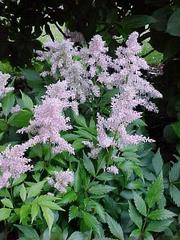
Japanese Astilbe

ASTILBE JAPONICA

If you’ve been searching for something that handles the tricky spots in your Connecticut garden—those semi-shady corners where hostas feel overdone and nothing else seems to thrive—Japanese Astilbe might just be your answer. This elegant perennial brings an almost ethereal quality to the landscape, with feathery plumes that seem to float above delicate foliage like clouds that decided to take root. Unlike many shade lovers that fade into the background, astilbe demands attention. It’s the kind of plant that makes visitors pause and ask, “What is that gorgeous thing?”

What it looks like

Japanese Astilbe is a study in graceful contradictions. The foliage alone—finely divided, fern-like, and deeply textured in shades of green and bronze—would earn its keep even without flowers. But then come the plumes: dense, feathery spires that rise above the leaves in whites, pinks, reds, and coral, depending on the cultivar you choose. The flowers are composed of thousands of tiny individual florets clustered together, creating that characteristic fluffy appearance. They’re not showy in a bold way; they’re showy in a whisper that somehow carries across the entire garden.

Growing it in your garden

Here’s what makes Japanese Astilbe such a Connecticut superstar: it actually prefers the conditions we have. While many ornamentals sulk in our humidity and clay-heavy soils, astilbe thrives in them. It loves part shade to shade—that dappled light under deciduous trees is ideal—though it can handle morning sun if the soil stays consistently moist. In full sun, it’ll need extra water to prevent stress. The key to success is soil that’s rich in organic matter. Amend your planting area with compost or well-rotted leaf mold before planting, and mulch generously once established. This plant is a moisture lover without being a swamp thing; it wants consistently damp soil, not waterlogged conditions.

Through the seasons

Spring arrives quietly with astilbe. The new foliage emerges in bronze or burgundy tones before settling into its mature green, creating a beautiful transition. Early summer is when the real show begins—those gorgeous plumes emerge and peak in June or July, depending on the variety. Even after the flowers fade, astilbe remains ornamental. Many gardeners leave the dried seed heads standing through fall and winter; they’re beautiful frosted with early snow and add structure to the winter garden. In spring, you’ll cut back the dead growth just before new growth emerges.

Where it shines

Plant Japanese Astilbe along shaded woodland edges, near streams or rain gardens, in mixed perennial borders, or along the north side of buildings where afternoon sun won’t beat down on it. It’s exceptional in Japanese-inspired gardens and shade perennial combinations. Because it’s so finely textured, it makes an excellent counterpoint to broader-leaved plants like hostas, hellebores, or carex. In New England, where we have natural woodlands to draw inspiration from, astilbe feels perfectly at home in a shade garden that mimics the forest floor.

Perfect companions

Japanese Astilbe pairs beautifully with shade-loving plants that have contrasting foliage. Pair it with broad-leaved hostas for textural interest, or combine it with Japanese Forest Grass (HAKONECHLOA MACRA) for flowing, layered movement. Hellebores provide early season interest and their cup-shaped flowers contrast perfectly with astilbe’s airy plumes. Tiarella, coral bells, and ferns round out the shade garden perfectly. For early season color, plant spring bulbs like squill or grape hyacinth near the astilbe’s emerging growth.

Care tips

Once established, Japanese Astilbe is remarkably low-maintenance. Water regularly during the first growing season to help the root system develop. In subsequent years, keep the soil consistently moist, especially during hot, dry spells. A 2-3 inch layer of mulch helps retain moisture and keeps roots cool. There are no significant pests or diseases that trouble astilbe in Connecticut. In spring, cut back last year’s growth and refresh the mulch. Every four to five years, you can divide congested clumps in early spring or fall to rejuvenate plants or expand your planting.

Quick facts

  • Hardiness Zone: Zones 3-9
  • Mature Height & Spread: 24-36 inches tall, 18-24 inches wide (varies by cultivar)
  • Bloom Season: Early to midsummer
  • Light Requirements: Part shade to shade; morning sun acceptable if soil stays moist
  • Water Needs: Consistently moist soil; not drought tolerant
  • Available at: Both our retail and wholesale locations

Japanese Astilbe

Easily grown in average, medium, well-drained soils in part shade to full shade. Prefers moist, humusy, organically rich soils. Soils must not be allowed to dry out. If regularly watered, foliage will usually remain attractive throughout the growing season.

Pot Size (gallons), Height: #2

Description

Japanese Astilbe

ASTILBE JAPONICA

If you’ve been searching for something that handles the tricky spots in your Connecticut garden—those semi-shady corners where hostas feel overdone and nothing else seems to thrive—Japanese Astilbe might just be your answer. This elegant perennial brings an almost ethereal quality to the landscape, with feathery plumes that seem to float above delicate foliage like clouds that decided to take root. Unlike many shade lovers that fade into the background, astilbe demands attention. It’s the kind of plant that makes visitors pause and ask, “What is that gorgeous thing?”

What it looks like

Japanese Astilbe is a study in graceful contradictions. The foliage alone—finely divided, fern-like, and deeply textured in shades of green and bronze—would earn its keep even without flowers. But then come the plumes: dense, feathery spires that rise above the leaves in whites, pinks, reds, and coral, depending on the cultivar you choose. The flowers are composed of thousands of tiny individual florets clustered together, creating that characteristic fluffy appearance. They’re not showy in a bold way; they’re showy in a whisper that somehow carries across the entire garden.

Growing it in your garden

Here’s what makes Japanese Astilbe such a Connecticut superstar: it actually prefers the conditions we have. While many ornamentals sulk in our humidity and clay-heavy soils, astilbe thrives in them. It loves part shade to shade—that dappled light under deciduous trees is ideal—though it can handle morning sun if the soil stays consistently moist. In full sun, it’ll need extra water to prevent stress. The key to success is soil that’s rich in organic matter. Amend your planting area with compost or well-rotted leaf mold before planting, and mulch generously once established. This plant is a moisture lover without being a swamp thing; it wants consistently damp soil, not waterlogged conditions.

Through the seasons

Spring arrives quietly with astilbe. The new foliage emerges in bronze or burgundy tones before settling into its mature green, creating a beautiful transition. Early summer is when the real show begins—those gorgeous plumes emerge and peak in June or July, depending on the variety. Even after the flowers fade, astilbe remains ornamental. Many gardeners leave the dried seed heads standing through fall and winter; they’re beautiful frosted with early snow and add structure to the winter garden. In spring, you’ll cut back the dead growth just before new growth emerges.

Where it shines

Plant Japanese Astilbe along shaded woodland edges, near streams or rain gardens, in mixed perennial borders, or along the north side of buildings where afternoon sun won’t beat down on it. It’s exceptional in Japanese-inspired gardens and shade perennial combinations. Because it’s so finely textured, it makes an excellent counterpoint to broader-leaved plants like hostas, hellebores, or carex. In New England, where we have natural woodlands to draw inspiration from, astilbe feels perfectly at home in a shade garden that mimics the forest floor.

Perfect companions

Japanese Astilbe pairs beautifully with shade-loving plants that have contrasting foliage. Pair it with broad-leaved hostas for textural interest, or combine it with Japanese Forest Grass (HAKONECHLOA MACRA) for flowing, layered movement. Hellebores provide early season interest and their cup-shaped flowers contrast perfectly with astilbe’s airy plumes. Tiarella, coral bells, and ferns round out the shade garden perfectly. For early season color, plant spring bulbs like squill or grape hyacinth near the astilbe’s emerging growth.

Care tips

Once established, Japanese Astilbe is remarkably low-maintenance. Water regularly during the first growing season to help the root system develop. In subsequent years, keep the soil consistently moist, especially during hot, dry spells. A 2-3 inch layer of mulch helps retain moisture and keeps roots cool. There are no significant pests or diseases that trouble astilbe in Connecticut. In spring, cut back last year’s growth and refresh the mulch. Every four to five years, you can divide congested clumps in early spring or fall to rejuvenate plants or expand your planting.

Quick facts

  • Hardiness Zone: Zones 3-9
  • Mature Height & Spread: 24-36 inches tall, 18-24 inches wide (varies by cultivar)
  • Bloom Season: Early to midsummer
  • Light Requirements: Part shade to shade; morning sun acceptable if soil stays moist
  • Water Needs: Consistently moist soil; not drought tolerant
  • Available at: Both our retail and wholesale locations