Description
CORNUS MAS ‘VARIEGATA’
What if you could have a shrub that blooms before the snowdrops, produces edible fruit, and provides year-round visual interest with its striking foliage? The Variegated Cornelian-Cherry does exactly that—and it does it all with the kind of unfussy reliability that makes us Connecticut gardeners love it. This is a plant that rewards attention without demanding it, offering something beautiful in every season.
What it looks like
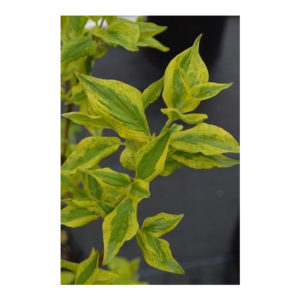
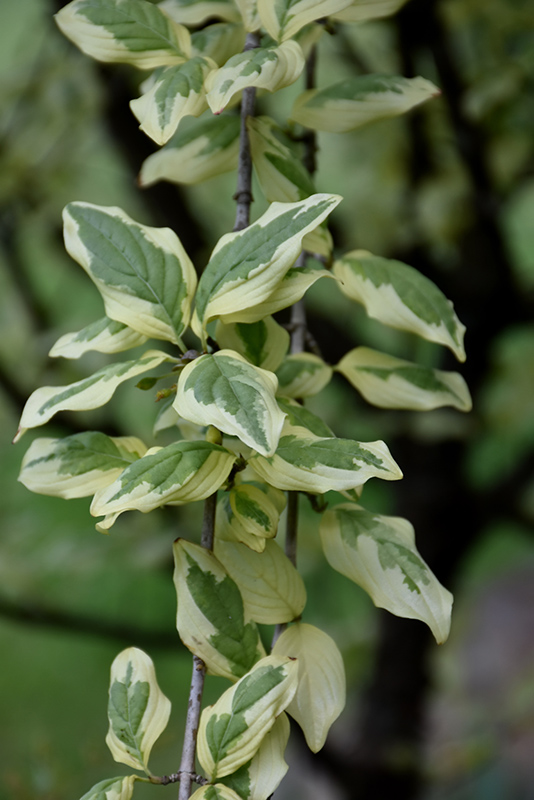
The Variegated Cornelian-Cherry is a study in restraint and elegance. In spring, tiny clusters of bright yellow flowers appear on bare branches—those precious early blooms that remind you winter is actually ending. But the real star is the foliage: soft green leaves generously splashed with creamy white variegation that seems to glow in the garden. It’s the kind of variegation that doesn’t feel chaotic or overwhelming; instead, it brightens the entire shrub and lifts the mood of whatever space surrounds it.
By midsummer, small red berries develop (they’ll deepen to a rich burgundy as they mature), and the foliage becomes even more pronounced. In autumn, the leaves take on warm reddish tones before dropping, and if you haven’t already harvested the berries for jam or simply enjoyed them fresh, they’ll persist on the branches into fall, adding another layer of color.
Growing it in your garden
Here’s what makes CORNUS MAS ‘VARIEGATA’ such a gift for Connecticut gardeners: it’s genuinely unfussy. This shrub handles full sun to partial shade beautifully (though the variegation is most vibrant in at least 4-6 hours of direct sun), and it’s adaptable to various soil types. It prefers well-draining soil but won’t throw a tantrum in clay—our typical Connecticut condition—as long as you’re not leaving it waterlogged.
Once established, it’s drought-tolerant, which is increasingly valuable as our growing seasons become less predictable. It’s also disease and pest resistant, which means you can plant it and actually enjoy it instead of spending your weekends troubleshooting.
Through the seasons
Spring is when this shrub first proves its worth. Those tiny yellow flower clusters appear in March or even late February on bare wood—sometimes before anything else in your garden has even thought about waking up. The flowers are small but profuse, and they’re a magnet for early pollinators who need the sustenance.
Summer brings those gorgeous variegated leaves and the developing berries. This is when the shrub becomes a textural focal point in the garden, the kind of plant that catches the afternoon light and makes you genuinely happy every time you look out the window.
Fall offers those warm tones and berry color, extending the season of interest well into autumn. And even in winter, the branching structure is attractive enough to hold its own—and the berries, if any remain, add color against the snow.
Where it shines
The Variegated Cornelian-Cherry is perfect as a specimen shrub where you can really appreciate the variegated foliage. Plant it where morning or afternoon light can backlight those cream-colored leaves. It’s equally at home in a shrub border, providing year-round interest among other spring-blooming plants. Consider using it as a backdrop for shade-loving perennials that appreciate the filtered light and root space it eventually provides.
In smaller Connecticut gardens, it’s a particularly smart choice because it gives you multiple seasons of interest without taking up excessive space. At maturity, it’s typically 8-10 feet tall and wide, which is substantial enough to matter but not so large that it overwhelms a typical residential landscape.
Perfect companions
Plant your Variegated Cornelian-Cherry with other early bloomers like witch hazel (HAMAMELIS) or forsythia for a coordinated spring display. The variegated foliage pairs beautifully with darker-leaved shrubs like purple smoke bush (COTINUS). At its base, try shade-tolerant perennials like hellebores or bleeding heart (DICENTRA), which will appreciate the eventual dappled shade the shrub provides as it matures.
Care tips
Plant in spring or fall, spacing according to its mature size. Water regularly during the first growing season to establish a strong root system. After that, water during dry spells, but honestly, this is a low-maintenance plant. Minimal pruning is needed—just remove any dead wood or crossing branches in late winter. If you want to harvest the berries, pick them in July or August when they turn that deep burgundy color. They’re tart but perfect for jams, and leaving some for the birds is never a bad idea.
Quick facts
- Hardiness Zone: 4-8 (thrives throughout Connecticut)
- Mature Height & Spread: 8-10 feet tall and wide
- Bloom Season: March-April (early, on bare branches)
- Light Requirements: Full sun to partial shade (variegation best in 4+ hours of sun)
- Water Needs: Moderate; drought-tolerant once established
- Available at: Both our retail and wholesale locations