Taylor Eastern-Red Cedar

JUNIPERUS VIRGINIANA

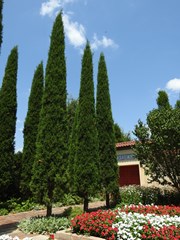
If you’ve been searching for a tree that embodies New England toughness wrapped in architectural elegance, the Taylor Eastern-Red Cedar might be your answer. This isn’t just another evergreen—it’s a vertical exclamation point in the winter landscape, a native tree with serious character that earned its place in Connecticut gardens long before we started calling anything “native.” The Taylor cultivar takes what makes JUNIPERUS VIRGINIANA special and refines it into a columnar form that feels both contemporary and timeless, like a piece of living sculpture that actually improves your property’s bones.

What it looks like

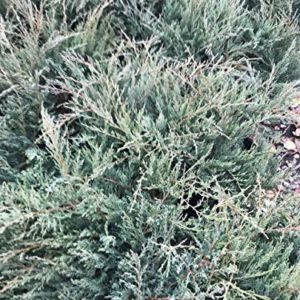
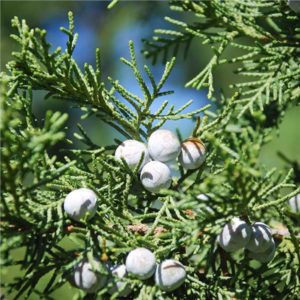
The Taylor Eastern-Red Cedar grows in a narrow, almost pencil-thin column of blue-green to silver-blue foliage, creating a striking vertical accent that’s especially dramatic against winter snow or gray Connecticut skies. Unlike the broader, more spreading forms of the species, Taylor maintains its tight, symmetrical shape with minimal pruning—something that will save you time and effort for years to come. The foliage is soft and feathery, more delicate than you’d expect from something so structurally sound. Come winter, the color deepens slightly, taking on purplish undertones that add warmth to the dormant season. The mature form is essentially narrow throughout, rarely exceeding eight to ten feet in width even after decades.

Growing it in your garden

This is a tree that thrives on neglect in the best way possible. Once established, the Taylor Cedar asks very little of you. It prefers full sun—at least six hours daily—and well-drained soil, which is perfect for Connecticut’s typical conditions. The real magic happens when you plant it somewhere you’ve been struggling with other trees: sandy soils, rocky slopes, or areas where moisture drains quickly. This tree laughs in the face of poor soil that would make other plants weep. It’s also remarkably salt-tolerant, making it ideal if you live anywhere near roads treated in winter or coastal properties affected by salt spray. Plant it in spring or early fall, water regularly through the first growing season, and then step back and let it do its thing.

Through the seasons

Spring brings new growth in bright blue-green tips that emerge along the branches, creating a subtle shimmer as the tree refreshes itself. Summer is when Taylor truly becomes the hardworking backdrop—a reliable, unchanging presence that provides structure and form to the garden around it. Fall is when you’ll notice the color shift, with that bronze-purple undertone becoming more pronounced as temperatures drop. Winter is when this tree really earns its place: that columnar form cuts through snow and ice with drama, and the silvery blue-green foliage stands out brilliantly against bare branches and white landscapes. The Cedar provides evergreen interest when virtually every other tree in your garden is asleep.

Where it shines

Plant the Taylor Cedar where you need a strong vertical line: as a specimen flanking an entryway, in groups of three or five for a modern screening effect, or as a single statement piece in a contemporary garden design. It works beautifully at property edges, along fences, or in tight urban spaces where you need height without width. The tree is also outstanding in xeriscaping projects or rain gardens where you’ve intentionally chosen plants that handle dry conditions. If you’re creating a meditation space or a transitional area between different garden rooms, this tree’s quiet, structural presence provides exactly the right calm anchor.

Perfect companions

Pair the Taylor Cedar with ornamental grasses that move in the wind—the contrast between its stillness and their motion is visually dynamic. Dwarf conifers like THUJA or boxwoods create a cohesive evergreen planting that looks polished year-round. Shade-tolerant perennials work too: think hellebores, epimedium, or sedge underplantings that soften the base without competing with the tree’s vertical statement. In mixed borders, it plays well with burgundy-foliage plants like smokebush or purple-leaf sand cherry, which echo the tree’s seasonal color shifts.

Care tips

Water newly planted trees deeply once weekly through the first season, tapering off as the tree establishes itself. The Taylor Cedar is remarkably drought-tolerant once mature, so you won’t find yourself constantly managing water needs. Avoid over-fertilizing; this tree actually prefers leaner soils and aggressive fertilization can make it more susceptible to spider mites. Minimal pruning is needed, but if you want to maintain the columnar form even more tightly, a light shaping in early spring keeps things tidy. Watch for cedar-apple rust fungal issues in very wet springs (though this is rarely a serious problem), and ensure good air circulation around the tree to prevent foliage diseases.

Quick facts

  • Hardiness Zone: 2-9 (thrives throughout Connecticut and all of New England)
  • Mature Height & Spread: 40-50 feet tall, 8-10 feet wide
  • Bloom Season: Non-flowering; valued for persistent evergreen foliage
  • Light Requirements: Full sun (6+ hours daily)
  • Water Needs: Low to moderate once established; drought-tolerant
  • Available at: Both our retail and wholesale locations.
Taylor Eastern-Red Cedar

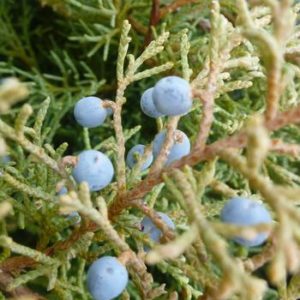
Juniperus virginiana, commonly called Eastern red cedar, is native to Missouri where it typically occurs on limestone bluffs and glades, wood margins, fields, pastures and fence rows throughout the state except for the southeastern lowlands (Steyermark). It is a broadly conical, sometimes columnar, dense, evergreen conifer with horizontal branching that typically grows to 30-65’ tall.

Pot Size (gallons), Height: 4-5′

Description

Taylor Eastern-Red Cedar

JUNIPERUS VIRGINIANA

If you’ve been searching for a tree that embodies New England toughness wrapped in architectural elegance, the Taylor Eastern-Red Cedar might be your answer. This isn’t just another evergreen—it’s a vertical exclamation point in the winter landscape, a native tree with serious character that earned its place in Connecticut gardens long before we started calling anything “native.” The Taylor cultivar takes what makes JUNIPERUS VIRGINIANA special and refines it into a columnar form that feels both contemporary and timeless, like a piece of living sculpture that actually improves your property’s bones.

What it looks like

The Taylor Eastern-Red Cedar grows in a narrow, almost pencil-thin column of blue-green to silver-blue foliage, creating a striking vertical accent that’s especially dramatic against winter snow or gray Connecticut skies. Unlike the broader, more spreading forms of the species, Taylor maintains its tight, symmetrical shape with minimal pruning—something that will save you time and effort for years to come. The foliage is soft and feathery, more delicate than you’d expect from something so structurally sound. Come winter, the color deepens slightly, taking on purplish undertones that add warmth to the dormant season. The mature form is essentially narrow throughout, rarely exceeding eight to ten feet in width even after decades.

Growing it in your garden

This is a tree that thrives on neglect in the best way possible. Once established, the Taylor Cedar asks very little of you. It prefers full sun—at least six hours daily—and well-drained soil, which is perfect for Connecticut’s typical conditions. The real magic happens when you plant it somewhere you’ve been struggling with other trees: sandy soils, rocky slopes, or areas where moisture drains quickly. This tree laughs in the face of poor soil that would make other plants weep. It’s also remarkably salt-tolerant, making it ideal if you live anywhere near roads treated in winter or coastal properties affected by salt spray. Plant it in spring or early fall, water regularly through the first growing season, and then step back and let it do its thing.

Through the seasons

Spring brings new growth in bright blue-green tips that emerge along the branches, creating a subtle shimmer as the tree refreshes itself. Summer is when Taylor truly becomes the hardworking backdrop—a reliable, unchanging presence that provides structure and form to the garden around it. Fall is when you’ll notice the color shift, with that bronze-purple undertone becoming more pronounced as temperatures drop. Winter is when this tree really earns its place: that columnar form cuts through snow and ice with drama, and the silvery blue-green foliage stands out brilliantly against bare branches and white landscapes. The Cedar provides evergreen interest when virtually every other tree in your garden is asleep.

Where it shines

Plant the Taylor Cedar where you need a strong vertical line: as a specimen flanking an entryway, in groups of three or five for a modern screening effect, or as a single statement piece in a contemporary garden design. It works beautifully at property edges, along fences, or in tight urban spaces where you need height without width. The tree is also outstanding in xeriscaping projects or rain gardens where you’ve intentionally chosen plants that handle dry conditions. If you’re creating a meditation space or a transitional area between different garden rooms, this tree’s quiet, structural presence provides exactly the right calm anchor.

Perfect companions

Pair the Taylor Cedar with ornamental grasses that move in the wind—the contrast between its stillness and their motion is visually dynamic. Dwarf conifers like THUJA or boxwoods create a cohesive evergreen planting that looks polished year-round. Shade-tolerant perennials work too: think hellebores, epimedium, or sedge underplantings that soften the base without competing with the tree’s vertical statement. In mixed borders, it plays well with burgundy-foliage plants like smokebush or purple-leaf sand cherry, which echo the tree’s seasonal color shifts.

Care tips

Water newly planted trees deeply once weekly through the first season, tapering off as the tree establishes itself. The Taylor Cedar is remarkably drought-tolerant once mature, so you won’t find yourself constantly managing water needs. Avoid over-fertilizing; this tree actually prefers leaner soils and aggressive fertilization can make it more susceptible to spider mites. Minimal pruning is needed, but if you want to maintain the columnar form even more tightly, a light shaping in early spring keeps things tidy. Watch for cedar-apple rust fungal issues in very wet springs (though this is rarely a serious problem), and ensure good air circulation around the tree to prevent foliage diseases.

Quick facts

  • Hardiness Zone: 2-9 (thrives throughout Connecticut and all of New England)
  • Mature Height & Spread: 40-50 feet tall, 8-10 feet wide
  • Bloom Season: Non-flowering; valued for persistent evergreen foliage
  • Light Requirements: Full sun (6+ hours daily)
  • Water Needs: Low to moderate once established; drought-tolerant
  • Available at: Both our retail and wholesale locations.