Phlox Flame White Eye

PHLOX PANICULATA ‘FLAME WHITE EYE’

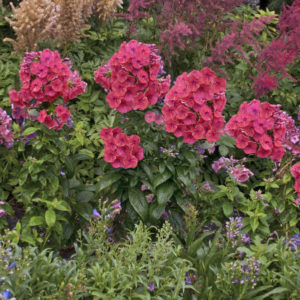
What if you could add a layer of cottage-garden charm to your late-summer borders without the fussiness? PHLOX PANICULATA ‘FLAME WHITE EYE’ is exactly that kind of plant—a reliable performer that brings bold color, intoxicating fragrance, and genuine garden presence when you need it most. This panicle phlox variety stops you mid-stride with its striking flower clusters: hot flame-red petals surrounding a crisp white center that seems to glow against the deeper red. It’s the kind of contrast that makes gardeners lean in closer, every single time it blooms.

What it looks like

PHLOX PANICULATA ‘FLAME WHITE EYE’ is a classic mounding perennial that reaches 24 to 30 inches tall and spreads 18 to 24 inches wide, creating a full, generously proportioned clump. The dark green, lance-shaped foliage provides a clean backdrop for what really matters: those dense panicles of flowers that absolutely glow in late summer light. Each individual floret is small, but clustered together they create stunning pyramidal flower heads—sometimes 6 to 8 inches tall—that seem to float above the foliage. The white eye at the center of each red flower creates an almost jewel-like quality, especially noticeable in morning light or from a distance. As the season progresses, the color can deepen slightly, becoming even more dramatic.

Growing it in your garden

This variety is one of the easiest panicle phlox to grow in Connecticut gardens. It’s not fussy about soil—though it does best in moderately fertile, well-draining conditions—and it handles our variable New England springs without sulking. Plant it in spring or fall in a location that receives at least six hours of direct sun. Morning sun and afternoon shade is actually ideal if you’re in southern Connecticut, as it prevents the flowers from bleaching while still giving you abundant blooms. Space plants 18 to 24 inches apart to allow for good air circulation (important for preventing powdery mildew in our humid summers). Once established, PHLOX PANICULATA ‘FLAME WHITE EYE’ settles in and gets friendlier with each passing season.

Through the seasons

Spring arrives with fresh green growth emerging from the ground in late April or early May. By early to mid-summer, the plant is a substantial mounding presence in the garden. Then comes July and August—the real show—when those magnificent panicles begin to form. Blooming typically peaks in August and continues strong through September, sometimes even into early October during mild years. If you deadhead spent flower clusters, you’ll encourage additional blooms and extend the show. In autumn, the foliage begins to fade to bronze and deep burgundy tones before going dormant. The plant dies back completely in winter, which is perfectly normal. Come spring, it emerges reliably, year after year, with no special protection needed in Connecticut’s Zone 4 conditions.

Where it shines

This phlox is a showstopper in mixed perennial borders, especially in the middle to back rows where its height can shine without shading shorter companions. It’s magnificent in cottage gardens, formal cutting gardens, and native plant settings (panicle phlox has naturalized throughout eastern North America). The fragrance is another major asset—on warm August evenings, a well-planted group of PHLOX PANICULATA ‘FLAME WHITE EYE’ fills your garden with a sweet, slightly spicy scent that just keeps getting better as the sun sets. It’s also an excellent cut flower, holding up beautifully in the vase for 10 to 14 days. Plant it where you’ll pass by it frequently so you can enjoy that scent throughout its long blooming season.

Perfect companions

Pair this vibrant red-and-white phlox with silver-foliaged plants like ARTEMISIA or STACHYS to create striking contrast. Cool-toned companions like purple coneflower (ECHINACEA), Russian sage (PEROVSKIA), or catmint (NEPETA) complement the warmth beautifully. For a bolder approach, try it with ornamental grasses like PANICUM or MISCANTHUS, which echo the vertical structure while adding movement and texture. Dahlias in deep purple or burgundy tones create drama alongside the flame coloring. White-flowering plants like garden phlox ‘David’ or tall white cosmos offer a cooling effect that prevents the border from becoming too hot.

Care tips

Once established, PHLOX PANICULATA ‘FLAME WHITE EYE’ needs moderate water, about one inch per week during the growing season (less if we’ve had adequate rain). A two-inch layer of mulch around the base keeps roots consistent and cool. In spring, if you want shorter, bushier plants with more (but slightly smaller) flower clusters, pinch back the stems by about six inches in early June—this is optional but worth trying if you have the space. Deadheading extends bloom time significantly. In late fall or early spring, cut the plant back to the ground. Divide clumps every three to four years in spring to rejuvenate older plants and create more stock for other gardens.

Quick facts

  • Hardiness Zone: 4–8 (very reliable throughout Connecticut)
  • Mature Height & Spread: 24–30 inches tall, 18–24 inches wide
  • Bloom Season: Late July through September, peak in August
  • Light Requirements: Full sun to part shade (minimum 6 hours direct sun)
  • Water Needs: Moderate; approximately 1 inch per week during growing season
  • Available at: Both our retail and wholesale locations
Phlox Flame White Eye

Category:

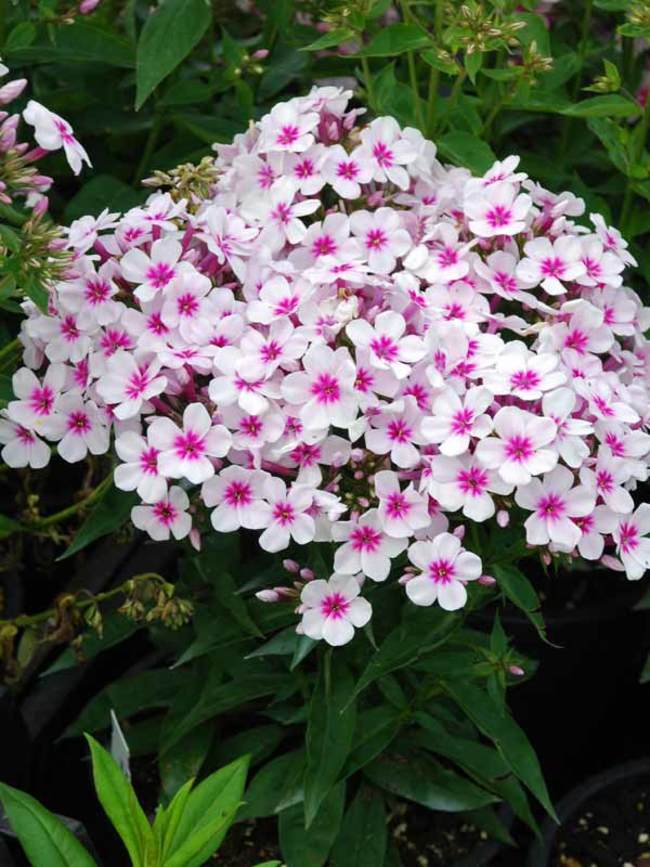
The clean white flowers with sparkling magenta-pink eyes partner well with the other fiery colors in our Flame™ series. Large hydrangea-like fragrant blossoms are featured on bushy mildew-resistant plants.

Pot Size (gallons), Height: #1

Description

Phlox Flame White Eye

PHLOX PANICULATA ‘FLAME WHITE EYE’

What if you could add a layer of cottage-garden charm to your late-summer borders without the fussiness? PHLOX PANICULATA ‘FLAME WHITE EYE’ is exactly that kind of plant—a reliable performer that brings bold color, intoxicating fragrance, and genuine garden presence when you need it most. This panicle phlox variety stops you mid-stride with its striking flower clusters: hot flame-red petals surrounding a crisp white center that seems to glow against the deeper red. It’s the kind of contrast that makes gardeners lean in closer, every single time it blooms.

What it looks like

PHLOX PANICULATA ‘FLAME WHITE EYE’ is a classic mounding perennial that reaches 24 to 30 inches tall and spreads 18 to 24 inches wide, creating a full, generously proportioned clump. The dark green, lance-shaped foliage provides a clean backdrop for what really matters: those dense panicles of flowers that absolutely glow in late summer light. Each individual floret is small, but clustered together they create stunning pyramidal flower heads—sometimes 6 to 8 inches tall—that seem to float above the foliage. The white eye at the center of each red flower creates an almost jewel-like quality, especially noticeable in morning light or from a distance. As the season progresses, the color can deepen slightly, becoming even more dramatic.

Growing it in your garden

This variety is one of the easiest panicle phlox to grow in Connecticut gardens. It’s not fussy about soil—though it does best in moderately fertile, well-draining conditions—and it handles our variable New England springs without sulking. Plant it in spring or fall in a location that receives at least six hours of direct sun. Morning sun and afternoon shade is actually ideal if you’re in southern Connecticut, as it prevents the flowers from bleaching while still giving you abundant blooms. Space plants 18 to 24 inches apart to allow for good air circulation (important for preventing powdery mildew in our humid summers). Once established, PHLOX PANICULATA ‘FLAME WHITE EYE’ settles in and gets friendlier with each passing season.

Through the seasons

Spring arrives with fresh green growth emerging from the ground in late April or early May. By early to mid-summer, the plant is a substantial mounding presence in the garden. Then comes July and August—the real show—when those magnificent panicles begin to form. Blooming typically peaks in August and continues strong through September, sometimes even into early October during mild years. If you deadhead spent flower clusters, you’ll encourage additional blooms and extend the show. In autumn, the foliage begins to fade to bronze and deep burgundy tones before going dormant. The plant dies back completely in winter, which is perfectly normal. Come spring, it emerges reliably, year after year, with no special protection needed in Connecticut’s Zone 4 conditions.

Where it shines

This phlox is a showstopper in mixed perennial borders, especially in the middle to back rows where its height can shine without shading shorter companions. It’s magnificent in cottage gardens, formal cutting gardens, and native plant settings (panicle phlox has naturalized throughout eastern North America). The fragrance is another major asset—on warm August evenings, a well-planted group of PHLOX PANICULATA ‘FLAME WHITE EYE’ fills your garden with a sweet, slightly spicy scent that just keeps getting better as the sun sets. It’s also an excellent cut flower, holding up beautifully in the vase for 10 to 14 days. Plant it where you’ll pass by it frequently so you can enjoy that scent throughout its long blooming season.

Perfect companions

Pair this vibrant red-and-white phlox with silver-foliaged plants like ARTEMISIA or STACHYS to create striking contrast. Cool-toned companions like purple coneflower (ECHINACEA), Russian sage (PEROVSKIA), or catmint (NEPETA) complement the warmth beautifully. For a bolder approach, try it with ornamental grasses like PANICUM or MISCANTHUS, which echo the vertical structure while adding movement and texture. Dahlias in deep purple or burgundy tones create drama alongside the flame coloring. White-flowering plants like garden phlox ‘David’ or tall white cosmos offer a cooling effect that prevents the border from becoming too hot.

Care tips

Once established, PHLOX PANICULATA ‘FLAME WHITE EYE’ needs moderate water, about one inch per week during the growing season (less if we’ve had adequate rain). A two-inch layer of mulch around the base keeps roots consistent and cool. In spring, if you want shorter, bushier plants with more (but slightly smaller) flower clusters, pinch back the stems by about six inches in early June—this is optional but worth trying if you have the space. Deadheading extends bloom time significantly. In late fall or early spring, cut the plant back to the ground. Divide clumps every three to four years in spring to rejuvenate older plants and create more stock for other gardens.

Quick facts

  • Hardiness Zone: 4–8 (very reliable throughout Connecticut)
  • Mature Height & Spread: 24–30 inches tall, 18–24 inches wide
  • Bloom Season: Late July through September, peak in August
  • Light Requirements: Full sun to part shade (minimum 6 hours direct sun)
  • Water Needs: Moderate; approximately 1 inch per week during growing season
  • Available at: Both our retail and wholesale locations