

Description
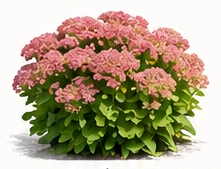
SEDUM SPP.
If you’ve been searching for something that handles Connecticut’s brutal winters, laughs at summer drought, and still manages to look absolutely stunning—meet Stonecrop. These tough-as-nails succulent plants have quietly revolutionized how savvy gardeners approach low-maintenance landscaping. They’re the friends who show up when you need them most and never complain about neglect.
What it looks like
Stonecrops are a wonderfully diverse group, ranging from creeping groundcovers that hug the earth to upright specimens reaching 24 inches tall. Most feature those characteristically thick, fleshy leaves that store water like tiny green batteries. The foliage comes in an astonishing palette: silvery greens, dusty purples, deep burgundies, warm bronzes, and surprising shades of cream and gold. Come fall and winter, many varieties deepen into jewel tones that would make a watercolor artist jealous. Then there are the flowers—delicate pink, white, yellow, or deep red blooms that cluster atop the stems in late summer and early fall, creating an irresistible banquet for butterflies and bees.
Growing it in your garden
Here’s what makes Stonecrop genuinely special for New England gardeners: it thrives in conditions that defeat most other plants. Poor soil? Perfect. Stonecrops actually prefer lean, well-draining earth—they’ll get lazy and less attractive in rich soil. Full sun? Absolutely. Partial shade? Many varieties handle it gracefully. Forget to water for weeks? That’s exactly the kind of relationship Stonecrops want with you. Their fleshy leaves are basically water storage tanks, making them drought-tolerant once established. This makes them exceptional choices for rocky hillsides, sandy banks, and those impossible spots where nothing else seems to cooperate.
The real magic happens when you stop thinking of Stonecrop as a challenging plant and start thinking of it as incredibly easygoing. Plant it, give it decent drainage, and then let it do its thing. In Connecticut’s clay-heavy soils, amending your planting hole with sand or gravel creates that crucial drainage these plants crave.
Through the seasons
Spring brings new growth as Stonecrop emerges from dormancy, often with dramatic color shifts as temperatures warm. By early summer, the plants are fully leafed out and looking lush. Late summer and early fall transform them into floral attractions, with butterflies visiting constantly. The real show-stopper? Late fall and winter, when many varieties turn incredible shades of burgundy and bronze, providing color when most Connecticut gardens have faded to gray. Even dried seedheads persist through winter, creating architectural interest in the landscape and offering seeds for hungry birds and overwintering insects.
Where it shines
Container gardens are natural homes for Stonecrops—they’re perfect for shallow pots and mixed containers where their compact habit and drought tolerance make them the reliable backbone of any arrangement. Use them in rock gardens where their architectural forms complement stones beautifully. Taller varieties work wonderfully in perennial borders, adding a completely different texture and form that plays beautifully against softer plants like Russian Sage or Coreopsis. Ground-covering varieties create living carpets on slopes and banks, preventing erosion while eliminating mowing. They’re also remarkable in green roofs and living walls, where their water-storage capabilities and shallow root systems make them perfectly suited.
Perfect companions
Stonecrop plays beautifully with other drought-tolerant perennials. Pair upright varieties with ornamental grasses like Feather Reed Grass for dramatic textural contrast. Combine creeping types with catmint (NEPETA), coreopsis, and salvias for a Mediterranean-feeling garden. They’re also perfect partners with other sedums, creating layered compositions of different heights and colors. Evergreen groundcovers like creeping thyme complement their formal structure, while ornamental alliums add spherical interest above.
Care tips
Stonecrops require almost nothing. Plant them in spring for best establishment, ensuring excellent drainage. Water regularly the first season while roots establish, then largely forget about it. Deadheading spent flowers keeps plants tidy, though many gardeners leave the seedheads for winter interest. Divide overgrown clumps in spring—Stonecrops propagate from the tiniest leaf fragments, making division ridiculously easy and economical. Avoid over-fertilizing, which creates weak, floppy growth. In Connecticut’s humid summers, ensure excellent air circulation to prevent fungal issues, though Stonecrops are remarkably resistant compared to other plants.
Quick facts
- Hardiness Zone: Zones 3-11 (varies by variety; most thrive throughout Connecticut)
- Mature Height & Spread: 2 inches to 24 inches tall, depending on variety; spreads 6-36 inches
- Bloom Season: Late summer through early fall
- Light Requirements: Full sun to partial shade
- Water Needs: Low; drought-tolerant once established
- Available at: Both our retail and wholesale locations