HOSTA (HOSTA SPP.)

If you’ve been searching for something that handles deep shade, humidity, and Connecticut’s unpredictable springs without complaint, Hosta is your answer. This is the plant that transforms those tricky woodland corners and north-facing beds into lush focal points. Hostas have quietly become the backbone of shade gardening across New England, and once you understand why, you’ll wonder how you ever gardened without them.

What it looks like

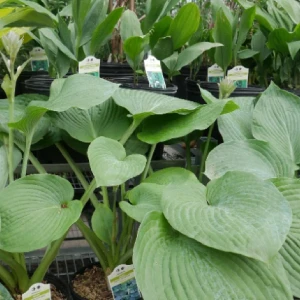
Hostas are foliage superstars, pure and simple. While they do produce delicate flower spikes in summer, it’s really all about the leaves—and what leaves they are. The foliage ranges from narrow and lance-like to broad and deeply pleated, with color options that would make a paint manufacturer jealous. You’ll find pure greens, blues so silvery they almost glow, creams, whites, chartreuses that brighten dark corners, and countless variegated combinations. Some varieties have leaves with wide cream margins; others feature bold white centers with green borders. The plants themselves form dense mounds that range from tiny groundcover types (perfect for tucking between rocks) to dramatic 4-foot specimens that demand attention.

In mid to late summer, most varieties send up flower spikes in shades of lavender, purple, or white. The blooms are surprisingly elegant—delicate and nodding, they attract hummingbirds and add vertical interest to your shade garden. Some gardeners remove the flowers to keep focus on the foliage; others let them stay for the charm and pollinator benefits.

Growing it in your garden

This is where Hosta really earns its reputation. These plants are genuinely easy to grow in Connecticut. They prefer consistently moist soil rich with organic matter—think of their native woodland habitat in Japan, where they thrive on decomposing leaves and steady moisture. But here’s the good news: they’re not fussy about soil type. Amend your planting area with compost or well-rotted leaf mold, and your Hosta will settle in happily for decades.

The shade requirement is real but flexible. Most varieties prefer dappled or partial shade, though some (particularly the blue and variegated types) actually appreciate afternoon shade in our hot New England summers. A few sun-tolerant varieties exist, but generally, you’re looking at a plant that performs best with morning light and afternoon protection. This makes them invaluable for the spaces where nothing else cooperates.

Hostas establish quickly once planted and are remarkably long-lived. A mature clump can occupy the same space for 20 years or more, growing stronger and fuller with age. This is a true companion plant—the kind you plant once and enjoy forever.

Through the seasons

Spring in Connecticut can be variable, and Hostas handle this beautifully. The new growth emerges relatively late (April, sometimes into May), which actually protects it from late frosts that could damage earlier foliage. Those unfurling leaves are almost jewel-like, slowly opening to reveal the mature color and pattern—it’s genuinely exciting to watch.

Through summer, Hostas maintain perfect presentation. Unlike many shade plants that fade or look tired by August, hostas stay vibrant. The flower spikes add height and delicate charm in mid to late summer. As fall approaches, the foliage often develops richer tones before eventually yellowing and fading as the plant goes dormant—a graceful end to the season.

Winter is no problem at all. Hostas are fully hardy throughout Connecticut (Zones 3-8, depending on variety), and they rest completely below ground during our coldest months. This dormancy is actually essential for their long-term vigor.

Where it shines

Hostas are the answer to almost every shade gardening challenge. Plant them under mature trees, along north-facing walls, under eaves, in woodland settings, or in those mysterious shady corners where you’ve given up hope. Use low-growing varieties as edging; place larger types as specimens or focal points. Create drama with bold variegated foliage against darker green companions, or layer different sizes and colors for a sophisticated, textured look.

They’re also excellent in containers, particularly those blue-leaved varieties with their silvery foliage. And they’re among the most deer-resistant plants you can grow—a genuine gift in Connecticut gardening.

Perfect companions

Pair Hostas with other shade lovers: Ferns (particularly Japanese varieties and Christmas Ferns), Astilbe, Coral Bells, Pulmonaria, and Hellebores. Their bold foliage is the perfect backdrop for delicate shade-loving flowers. They also look wonderful with early spring bulbs like Erythronium and Trillium, which bloom and fade before the Hosta foliage fully expands.

Care tips

Plant in spring or early fall in moist, amended soil. Water regularly during the first season to establish deep roots. Once established, Hostas are drought-tolerant compared to many shade plants, though they prefer consistent moisture—especially in hot, dry spells. Apply 2-3 inches of mulch to keep roots cool and retain moisture. In spring, apply a balanced, slow-release fertilizer or work in compost around the base. Slugs and snails love Hosta foliage; if you notice damage, consider copper tape, diatomaceous earth, or targeted organic treatments. Divide established clumps in early spring if you’d like to propagate new plants.

Quick facts

  • Hardiness Zone: 3-8 (variety dependent)
  • Mature Height & Spread: 6 inches to 4+ feet, depending on variety
  • Bloom Season: Mid to late summer
  • Light Requirements: Partial to full shade
  • Water Needs: Moderate to consistent moisture
  • Available at: Both our retail and wholesale locations.
Hosta

Category:

Description

HOSTA (HOSTA SPP.)

If you’ve been searching for something that handles deep shade, humidity, and Connecticut’s unpredictable springs without complaint, Hosta is your answer. This is the plant that transforms those tricky woodland corners and north-facing beds into lush focal points. Hostas have quietly become the backbone of shade gardening across New England, and once you understand why, you’ll wonder how you ever gardened without them.

What it looks like

Hostas are foliage superstars, pure and simple. While they do produce delicate flower spikes in summer, it’s really all about the leaves—and what leaves they are. The foliage ranges from narrow and lance-like to broad and deeply pleated, with color options that would make a paint manufacturer jealous. You’ll find pure greens, blues so silvery they almost glow, creams, whites, chartreuses that brighten dark corners, and countless variegated combinations. Some varieties have leaves with wide cream margins; others feature bold white centers with green borders. The plants themselves form dense mounds that range from tiny groundcover types (perfect for tucking between rocks) to dramatic 4-foot specimens that demand attention.

In mid to late summer, most varieties send up flower spikes in shades of lavender, purple, or white. The blooms are surprisingly elegant—delicate and nodding, they attract hummingbirds and add vertical interest to your shade garden. Some gardeners remove the flowers to keep focus on the foliage; others let them stay for the charm and pollinator benefits.

Growing it in your garden

This is where Hosta really earns its reputation. These plants are genuinely easy to grow in Connecticut. They prefer consistently moist soil rich with organic matter—think of their native woodland habitat in Japan, where they thrive on decomposing leaves and steady moisture. But here’s the good news: they’re not fussy about soil type. Amend your planting area with compost or well-rotted leaf mold, and your Hosta will settle in happily for decades.

The shade requirement is real but flexible. Most varieties prefer dappled or partial shade, though some (particularly the blue and variegated types) actually appreciate afternoon shade in our hot New England summers. A few sun-tolerant varieties exist, but generally, you’re looking at a plant that performs best with morning light and afternoon protection. This makes them invaluable for the spaces where nothing else cooperates.

Hostas establish quickly once planted and are remarkably long-lived. A mature clump can occupy the same space for 20 years or more, growing stronger and fuller with age. This is a true companion plant—the kind you plant once and enjoy forever.

Through the seasons

Spring in Connecticut can be variable, and Hostas handle this beautifully. The new growth emerges relatively late (April, sometimes into May), which actually protects it from late frosts that could damage earlier foliage. Those unfurling leaves are almost jewel-like, slowly opening to reveal the mature color and pattern—it’s genuinely exciting to watch.

Through summer, Hostas maintain perfect presentation. Unlike many shade plants that fade or look tired by August, hostas stay vibrant. The flower spikes add height and delicate charm in mid to late summer. As fall approaches, the foliage often develops richer tones before eventually yellowing and fading as the plant goes dormant—a graceful end to the season.

Winter is no problem at all. Hostas are fully hardy throughout Connecticut (Zones 3-8, depending on variety), and they rest completely below ground during our coldest months. This dormancy is actually essential for their long-term vigor.

Where it shines

Hostas are the answer to almost every shade gardening challenge. Plant them under mature trees, along north-facing walls, under eaves, in woodland settings, or in those mysterious shady corners where you’ve given up hope. Use low-growing varieties as edging; place larger types as specimens or focal points. Create drama with bold variegated foliage against darker green companions, or layer different sizes and colors for a sophisticated, textured look.

They’re also excellent in containers, particularly those blue-leaved varieties with their silvery foliage. And they’re among the most deer-resistant plants you can grow—a genuine gift in Connecticut gardening.

Perfect companions

Pair Hostas with other shade lovers: Ferns (particularly Japanese varieties and Christmas Ferns), Astilbe, Coral Bells, Pulmonaria, and Hellebores. Their bold foliage is the perfect backdrop for delicate shade-loving flowers. They also look wonderful with early spring bulbs like Erythronium and Trillium, which bloom and fade before the Hosta foliage fully expands.

Care tips

Plant in spring or early fall in moist, amended soil. Water regularly during the first season to establish deep roots. Once established, Hostas are drought-tolerant compared to many shade plants, though they prefer consistent moisture—especially in hot, dry spells. Apply 2-3 inches of mulch to keep roots cool and retain moisture. In spring, apply a balanced, slow-release fertilizer or work in compost around the base. Slugs and snails love Hosta foliage; if you notice damage, consider copper tape, diatomaceous earth, or targeted organic treatments. Divide established clumps in early spring if you’d like to propagate new plants.

Quick facts

  • Hardiness Zone: 3-8 (variety dependent)
  • Mature Height & Spread: 6 inches to 4+ feet, depending on variety
  • Bloom Season: Mid to late summer
  • Light Requirements: Partial to full shade
  • Water Needs: Moderate to consistent moisture
  • Available at: Both our retail and wholesale locations.