Description
CARYA GLABRA
If you’ve been searching for a native tree that combines practical strength with genuine four-season beauty, Pignut Hickory might be exactly what your Connecticut garden has been waiting for. This is a tree that doesn’t demand attention—it simply earns respect through reliability and quiet elegance. Whether you’re planting for wildlife, wood quality, or the sheer satisfaction of growing something native to New England, CARYA GLABRA delivers on every level.
What it looks like
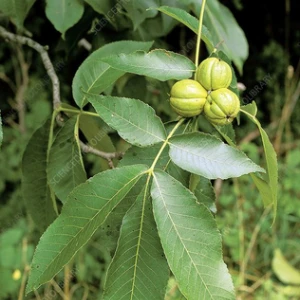
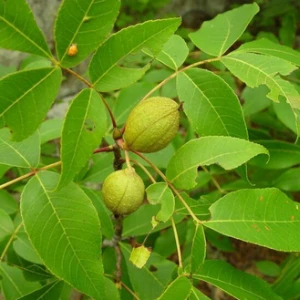
Pignut Hickory is a picture of understated refinement. The tree grows with a strong, straight trunk and develops a naturally oval to rounded crown that feels balanced and proportional—the kind of form that never looks awkward or gangly, even in youth. The compound leaves are composed of five to seven slender leaflets that create a delicate, almost feathery texture quite different from the bolder foliage of some hickories. In spring, new growth emerges in soft, warm bronze tones before shifting to a glossy medium green that holds through summer.
The bark develops a handsome, tight gray-brown pattern as the tree matures, adding winter interest without being showy. And those hickory nuts—enclosed in a thin, hard shell that earned this tree its common name—are genuinely nutritious and eagerly sought by wildlife.
Growing it in your garden
CARYA GLABRA is an exceptionally adaptable native that grows naturally throughout Connecticut and much of the eastern United States. It thrives in well-draining soil and actually prefers drier conditions once established, making it an excellent choice if you’re working with upland sites or areas that don’t stay constantly moist. Plant in full sun to achieve the best growth rate and structure, though the tree will tolerate partial shade.
The deep taproot system means this hickory is not fond of transplanting, so site it carefully where you want it to grow for the long term. Young trees may need support and staking in their first couple of years as they establish, but once those roots anchor in, you’ll have a remarkably self-sufficient tree. It’s genuinely low-maintenance once past the establishment phase.
Through the seasons
Spring brings catkins and fresh, bronze-tinged foliage that unfurls with quiet promise. By summer, CARYA GLABRA creates dense, useful shade with its full canopy of compound leaves—the kind of shade that feels welcoming rather than heavy. Fall is where this hickory truly announces itself: the foliage transforms into brilliant golden-yellow to orange tones, adding serious color to the Connecticut autumn landscape without the showiness of a sugar maple. It’s sophisticated rather than dramatic.
Winter reveals the tree’s strong architecture—that upright trunk and well-branched structure become a sculptural presence in the dormant garden. The bark pattern becomes more apparent once the leaves drop, adding subtle textural interest. Those nutrient-packed nuts hang on well into winter, providing crucial food sources for squirrels, deer, and other wildlife as their natural food stores dwindle.
Where it shines
Pignut Hickory is exceptional in naturalized landscapes, woodland edges, and native plant gardens. It’s perfect if you’re creating a diverse, wildlife-friendly yard—the nuts alone will attract a surprising variety of animals. The tree also makes a handsome specimen in larger residential yards where there’s room for its eventual size and spread. It’s particularly valuable in New England restoration projects and anywhere you want to celebrate Connecticut’s native flora.
Because it develops such an attractive form naturally, CARYA GLABRA works wonderfully in informal settings. If you’re imagining a woodland buffer between your property and the street, or a native tree grove that feels like it emerged naturally, this hickory belongs in the mix.
Perfect companions
Plant CARYA GLABRA alongside other Connecticut natives for a cohesive, ecologically sound landscape. Native oaks create beautiful architectural contrast. Understory plants like native viburnums, flowering dogwoods, and witch hazels work perfectly in the shade beneath the hickory’s canopy. For groundcovers, consider native woodland plants like Canada wild ginger or Christmas fern. The whole composition will feel like a piece of Connecticut’s natural heritage brought into your yard.
Care tips
Water regularly during the establishment year—weekly during dry periods. Once established, CARYA GLABRA is genuinely drought-tolerant and needs little intervention. Avoid amending the planting hole excessively; this tree actually prefers native soil conditions. Pruning is rarely necessary beyond removing any damaged branches in early spring. The tree is naturally pest and disease resistant when grown in appropriate conditions.
Quick facts
- Hardiness Zone: 4–8
- Mature Height & Spread: 40–60 feet tall, 25–35 feet wide
- Bloom Season: Spring (catkins, not showy)
- Light Requirements: Full sun to partial shade
- Water Needs: Moderate to low once established; prefers well-draining soil
- Available at: Both our retail and wholesale locations