CARYA OVATA

The Shagbark Hickory is Connecticut’s unsung hero—a native tree that does absolutely everything a thoughtful gardener could want. It’s not flashy or trendy, but once you understand what this tree offers, you’ll wonder why more people aren’t planting it. We’re talking about a tree that produces its own food, puts on a spectacular autumn show, provides shelter for wildlife, and actually improves with age. In New England, where we appreciate dependable excellence, the Shagbark Hickory is the real deal.

What it looks like

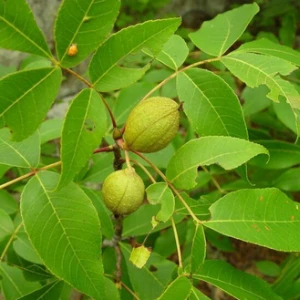
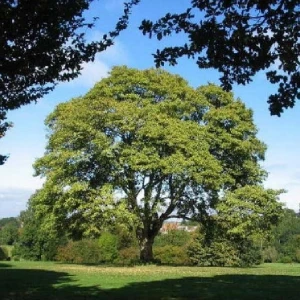
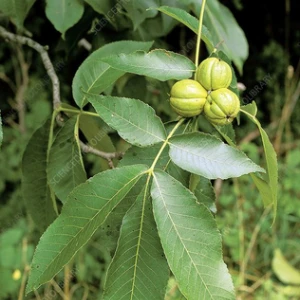
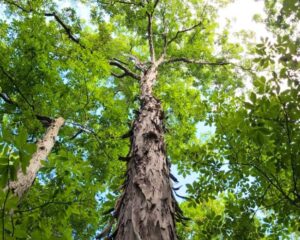
The Shagbark Hickory earns its name honestly. As it matures, the bark naturally exfoliates in long, loose plates that curl outward at the ends—creating that distinctive shaggy appearance that makes it instantly recognizable even from a distance. The tree develops a strong, upright habit with an oval to rounded crown, typically branching fairly high on the trunk. Its compound leaves are composed of five to nine leaflets that are finely serrated and emit a pleasant, slightly peppery fragrance when brushed or crushed. Come fall, these leaves transform into brilliant shades of golden yellow and amber that seem to glow in the Connecticut sunshine.

Growing it in your garden

Here’s what makes the Shagbark Hickory such a practical choice for New England gardens: it’s incredibly hardy, deeply cold-tolerant, and honestly doesn’t ask for much once established. This is a tree that evolved right here in our region, so it understands our climate intimately. It prefers full sun and well-drained soil but adapts to a range of conditions—from slightly acidic to neutral soils. While it appreciates consistent moisture during its first year or two, once established, it’s quite drought-tolerant and won’t suffer through our hot summers or cold winters. This tree is built for Connecticut life.

Through the seasons

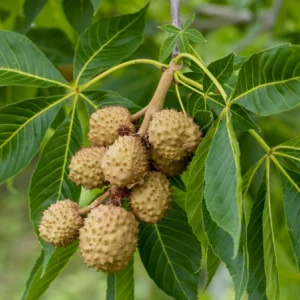
Spring arrives quietly, with small greenish flowers that appear before or alongside the emerging leaves. They’re not showy, but they’re busy—those flowers will become this tree’s crowning glory by autumn. Summer brings dense, attractive foliage that provides excellent shade and actually improves air quality. Fall is when the Shagbark truly shines, with those golden leaves creating an unforgettable display against blue October skies. Winter reveals the sculptural shag bark pattern in all its glory, adding real character to your landscape when evergreens alone might leave things feeling bare. And then come the hickory nuts—usually appearing in late September through October—which are beloved by squirrels, jays, and other wildlife that will thank you for planting this generous tree.

Where it shines

The Shagbark Hickory is ideal as a specimen tree, where its distinctive bark and form can be appreciated up close. Plant it where you can see it from a window during winter months. It’s also excellent for larger properties, naturalistic landscapes, or woodland edge gardens. Because it supports so much wildlife—from insects to birds to mammals—it’s perfect for anyone interested in creating habitat. In parks, estates, and conservation areas throughout Connecticut, mature Shagbarks are treasured landmarks. This is a tree that improves the neighborhood and lasts for generations.

Perfect companions

Under a mature Shagbark, you might establish native understory plants like American Witch-hazel, Spicebush, or Pagoda Dogwood. At ground level, shade-tolerant natives like Wild Ginger, Bloodroot, or Christmas Ferns create a layered, naturalistic garden. For contrast in form and texture, pair it with evergreens like Eastern Red Cedar or Canadian Hemlock. The Shagbark is generous enough to share its space while making everything around it look better.

Care tips

Water regularly during the establishment phase (first one to two growing seasons), then let this tough tree do what it does naturally. Pruning is generally unnecessary except to remove dead or crossing branches. Avoid planting directly over the root zone since this tree will eventually want that space. The nuts that fall are a feature, not a bug—they’re nature’s gift to wildlife. Let them be. The tree is naturally pest and disease-resistant and won’t give you grief about insects or fungi that plague less hardy species. This is low-maintenance gardening at its finest.

Quick facts

  • Hardiness Zone: 4 to 9 (thrives in Connecticut)
  • Mature Height & Spread: 60 to 80 feet tall, 30 to 40 feet wide
  • Bloom Season: Spring (flowers); nuts mature fall
  • Light Requirements: Full sun
  • Water Needs: Moderate; drought-tolerant once established
  • Available at: Both our retail and wholesale locations
Shagbark Hickory

Category:

Description

CARYA OVATA

The Shagbark Hickory is Connecticut’s unsung hero—a native tree that does absolutely everything a thoughtful gardener could want. It’s not flashy or trendy, but once you understand what this tree offers, you’ll wonder why more people aren’t planting it. We’re talking about a tree that produces its own food, puts on a spectacular autumn show, provides shelter for wildlife, and actually improves with age. In New England, where we appreciate dependable excellence, the Shagbark Hickory is the real deal.

What it looks like

The Shagbark Hickory earns its name honestly. As it matures, the bark naturally exfoliates in long, loose plates that curl outward at the ends—creating that distinctive shaggy appearance that makes it instantly recognizable even from a distance. The tree develops a strong, upright habit with an oval to rounded crown, typically branching fairly high on the trunk. Its compound leaves are composed of five to nine leaflets that are finely serrated and emit a pleasant, slightly peppery fragrance when brushed or crushed. Come fall, these leaves transform into brilliant shades of golden yellow and amber that seem to glow in the Connecticut sunshine.

Growing it in your garden

Here’s what makes the Shagbark Hickory such a practical choice for New England gardens: it’s incredibly hardy, deeply cold-tolerant, and honestly doesn’t ask for much once established. This is a tree that evolved right here in our region, so it understands our climate intimately. It prefers full sun and well-drained soil but adapts to a range of conditions—from slightly acidic to neutral soils. While it appreciates consistent moisture during its first year or two, once established, it’s quite drought-tolerant and won’t suffer through our hot summers or cold winters. This tree is built for Connecticut life.

Through the seasons

Spring arrives quietly, with small greenish flowers that appear before or alongside the emerging leaves. They’re not showy, but they’re busy—those flowers will become this tree’s crowning glory by autumn. Summer brings dense, attractive foliage that provides excellent shade and actually improves air quality. Fall is when the Shagbark truly shines, with those golden leaves creating an unforgettable display against blue October skies. Winter reveals the sculptural shag bark pattern in all its glory, adding real character to your landscape when evergreens alone might leave things feeling bare. And then come the hickory nuts—usually appearing in late September through October—which are beloved by squirrels, jays, and other wildlife that will thank you for planting this generous tree.

Where it shines

The Shagbark Hickory is ideal as a specimen tree, where its distinctive bark and form can be appreciated up close. Plant it where you can see it from a window during winter months. It’s also excellent for larger properties, naturalistic landscapes, or woodland edge gardens. Because it supports so much wildlife—from insects to birds to mammals—it’s perfect for anyone interested in creating habitat. In parks, estates, and conservation areas throughout Connecticut, mature Shagbarks are treasured landmarks. This is a tree that improves the neighborhood and lasts for generations.

Perfect companions

Under a mature Shagbark, you might establish native understory plants like American Witch-hazel, Spicebush, or Pagoda Dogwood. At ground level, shade-tolerant natives like Wild Ginger, Bloodroot, or Christmas Ferns create a layered, naturalistic garden. For contrast in form and texture, pair it with evergreens like Eastern Red Cedar or Canadian Hemlock. The Shagbark is generous enough to share its space while making everything around it look better.

Care tips

Water regularly during the establishment phase (first one to two growing seasons), then let this tough tree do what it does naturally. Pruning is generally unnecessary except to remove dead or crossing branches. Avoid planting directly over the root zone since this tree will eventually want that space. The nuts that fall are a feature, not a bug—they’re nature’s gift to wildlife. Let them be. The tree is naturally pest and disease-resistant and won’t give you grief about insects or fungi that plague less hardy species. This is low-maintenance gardening at its finest.

Quick facts

  • Hardiness Zone: 4 to 9 (thrives in Connecticut)
  • Mature Height & Spread: 60 to 80 feet tall, 30 to 40 feet wide
  • Bloom Season: Spring (flowers); nuts mature fall
  • Light Requirements: Full sun
  • Water Needs: Moderate; drought-tolerant once established
  • Available at: Both our retail and wholesale locations