Tradition

SYRINGA VULGARIS ‘TRADITION’

What if one plant could deliver everything a Connecticut gardener dreams of? A lilac that breaks the mold—one that doesn’t just bloom once and fade away, but comes back for an encore in fall. SYRINGA VULGARIS ‘TRADITION’ is a reblooming lilac that brings the intoxicating fragrance and romantic purple flowers we adore in spring, then does something remarkable: it flowers again when cooler weather returns. It’s the kind of plant that makes you understand why lilacs have captured hearts for centuries, and then surprises you all over again.

What it looks like

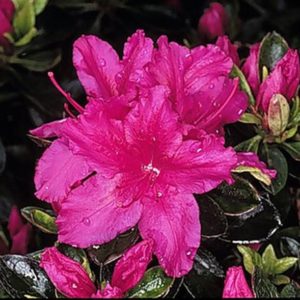
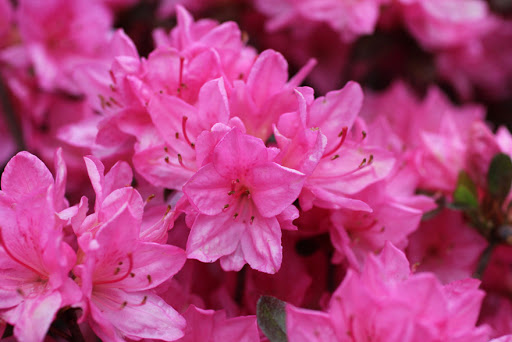
TRADITION is a deciduous shrub with a naturally upright, vase-like form that reaches its mature height with an almost architectural elegance. The foliage is the classic lilac green—soft, medium-toned, and deeply textured. But the real show belongs to the flowers. In spring, this shrub erupts with dense, cone-shaped panicles of fragrant, double purple blooms that practically glow in morning light. The flowers are packed and ruffled, giving them an old-fashioned garden charm. Even more thrilling: those same blooms return in September and October, just when you’ve resigned yourself to waiting another year. It’s like getting a gift you didn’t know you were expecting.

Growing it in your garden

TRADITION thrives in full sun—and we mean genuinely full sun, at least six hours daily. This is non-negotiable if you want those abundant flowers on both spring and fall cycles. The good news is that lilacs are famously adaptable to Connecticut’s growing conditions. They prefer soil that’s well-draining and slightly alkaline, though they’ll tolerate neutral pH. If your soil leans acidic, consider adding some lime in early spring. Plant in spring or fall, spacing at least six feet from other shrubs to allow for good air circulation (lilacs appreciate breathing room). Once established, TRADITION is remarkably self-sufficient and doesn’t demand pampering.

Through the seasons

Spring is when TRADITION announces itself in the most glorious way—those intoxicating clouds of purple flowers perfume your entire garden and draw pollinators from blocks away. Summer is quiet and green; the plant maintains its attractive foliage while you enjoy the fragrance memory lingering in your mind. Late summer transitions to the magic moment: as temperatures cool and day length shortens, TRADITION begins setting buds for its fall performance. By September, the flowers return—slightly less abundant than spring, but no less meaningful. Winter reveals the plant’s sturdy structure, which remains handsome even when bare. That architectural form adds winter interest to your landscape.

Where it shines

TRADITION is magnificent as a standalone specimen where its two-season bloom cycle can be fully appreciated. It’s equally wonderful in a mixed shrub border, where spring flowers provide height and scent above lower-growing plants. Plant it where you’ll encounter it regularly—near a seating area, along a morning walk, or visible from your kitchen window. Because the flowers are fragrant and beloved by bees and butterflies, positioning it where you can watch pollinators visit makes the experience complete. In New England gardens, lilacs have earned their place as heirloom plants for good reason; this reblooming version honors that tradition while offering something new.

Perfect companions

Pair TRADITION with shade-tolerant spring bulbs like daffodils and tulips that bloom when the lilac does—their early color contrasts beautifully. Underplant with catmint (NEPETA) or lamb’s ear (STACHYS BYZANTINA) for softness at ground level. Nearby, consider a PHILADELPHUS (mock orange) for another fragrant spring companion. In fall, position it where its reblooming flowers play against late-season bloomers like asters or Russian sage. Evergreen companions like boxwood or holly provide year-round structure that showcases TRADITION’s changing appearance through the seasons.

Care tips

Deadheading spent spring blooms encourages the fall display, though you can skip this step if you prefer a more relaxed approach (lilacs are forgiving). Prune immediately after spring flowering if needed, removing any crossing branches and maintaining the plant’s vase shape—avoid pruning in late summer, as you’d remove developing flower buds. Water during establishment; once settled, TRADITION is drought-tolerant and handles Connecticut’s variable rainfall well. A light feeding of balanced fertilizer in early spring supports both bloom cycles. Watch for occasional lilac scale or leaf spots, but serious pest problems are rare. This is a low-maintenance plant that rewards you far more than it demands.

Quick facts

  • Hardiness Zone: 3-7
  • Mature Height & Spread: 8-10 feet tall, 6-8 feet wide
  • Bloom Season: Spring and fall
  • Light Requirements: Full sun (6+ hours daily)
  • Water Needs: Moderate; drought-tolerant once established
  • Available at: Both our retail and wholesale locations
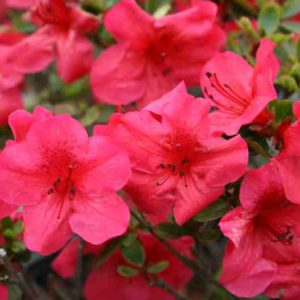
Tradition

Category:

Compact form with deep pink flowers.

Pot Size (gallons), Height: #3 #5 #7

Description

Tradition

SYRINGA VULGARIS ‘TRADITION’

What if one plant could deliver everything a Connecticut gardener dreams of? A lilac that breaks the mold—one that doesn’t just bloom once and fade away, but comes back for an encore in fall. SYRINGA VULGARIS ‘TRADITION’ is a reblooming lilac that brings the intoxicating fragrance and romantic purple flowers we adore in spring, then does something remarkable: it flowers again when cooler weather returns. It’s the kind of plant that makes you understand why lilacs have captured hearts for centuries, and then surprises you all over again.

What it looks like

TRADITION is a deciduous shrub with a naturally upright, vase-like form that reaches its mature height with an almost architectural elegance. The foliage is the classic lilac green—soft, medium-toned, and deeply textured. But the real show belongs to the flowers. In spring, this shrub erupts with dense, cone-shaped panicles of fragrant, double purple blooms that practically glow in morning light. The flowers are packed and ruffled, giving them an old-fashioned garden charm. Even more thrilling: those same blooms return in September and October, just when you’ve resigned yourself to waiting another year. It’s like getting a gift you didn’t know you were expecting.

Growing it in your garden

TRADITION thrives in full sun—and we mean genuinely full sun, at least six hours daily. This is non-negotiable if you want those abundant flowers on both spring and fall cycles. The good news is that lilacs are famously adaptable to Connecticut’s growing conditions. They prefer soil that’s well-draining and slightly alkaline, though they’ll tolerate neutral pH. If your soil leans acidic, consider adding some lime in early spring. Plant in spring or fall, spacing at least six feet from other shrubs to allow for good air circulation (lilacs appreciate breathing room). Once established, TRADITION is remarkably self-sufficient and doesn’t demand pampering.

Through the seasons

Spring is when TRADITION announces itself in the most glorious way—those intoxicating clouds of purple flowers perfume your entire garden and draw pollinators from blocks away. Summer is quiet and green; the plant maintains its attractive foliage while you enjoy the fragrance memory lingering in your mind. Late summer transitions to the magic moment: as temperatures cool and day length shortens, TRADITION begins setting buds for its fall performance. By September, the flowers return—slightly less abundant than spring, but no less meaningful. Winter reveals the plant’s sturdy structure, which remains handsome even when bare. That architectural form adds winter interest to your landscape.

Where it shines

TRADITION is magnificent as a standalone specimen where its two-season bloom cycle can be fully appreciated. It’s equally wonderful in a mixed shrub border, where spring flowers provide height and scent above lower-growing plants. Plant it where you’ll encounter it regularly—near a seating area, along a morning walk, or visible from your kitchen window. Because the flowers are fragrant and beloved by bees and butterflies, positioning it where you can watch pollinators visit makes the experience complete. In New England gardens, lilacs have earned their place as heirloom plants for good reason; this reblooming version honors that tradition while offering something new.

Perfect companions

Pair TRADITION with shade-tolerant spring bulbs like daffodils and tulips that bloom when the lilac does—their early color contrasts beautifully. Underplant with catmint (NEPETA) or lamb’s ear (STACHYS BYZANTINA) for softness at ground level. Nearby, consider a PHILADELPHUS (mock orange) for another fragrant spring companion. In fall, position it where its reblooming flowers play against late-season bloomers like asters or Russian sage. Evergreen companions like boxwood or holly provide year-round structure that showcases TRADITION’s changing appearance through the seasons.

Care tips

Deadheading spent spring blooms encourages the fall display, though you can skip this step if you prefer a more relaxed approach (lilacs are forgiving). Prune immediately after spring flowering if needed, removing any crossing branches and maintaining the plant’s vase shape—avoid pruning in late summer, as you’d remove developing flower buds. Water during establishment; once settled, TRADITION is drought-tolerant and handles Connecticut’s variable rainfall well. A light feeding of balanced fertilizer in early spring supports both bloom cycles. Watch for occasional lilac scale or leaf spots, but serious pest problems are rare. This is a low-maintenance plant that rewards you far more than it demands.

Quick facts

  • Hardiness Zone: 3-7
  • Mature Height & Spread: 8-10 feet tall, 6-8 feet wide
  • Bloom Season: Spring and fall
  • Light Requirements: Full sun (6+ hours daily)
  • Water Needs: Moderate; drought-tolerant once established
  • Available at: Both our retail and wholesale locations