Description
FUCHSIA ‘GIRARD’
What if one plant could deliver non-stop color from early summer straight through the first hard frost, attract hummingbirds like a magnet, and thrive in the dappled shade where so many other flowering plants just shrug and fade? Meet FUCHSIA ‘GIRARD’—a showstopper that transforms how Connecticut gardeners think about shade gardening. This isn’t the fussy, tender fuchsia of your grandmother’s greenhouse. ‘GIRARD’ was bred specifically for resilience, and it shows in every arching branch and jewel-toned bloom.
What it looks like
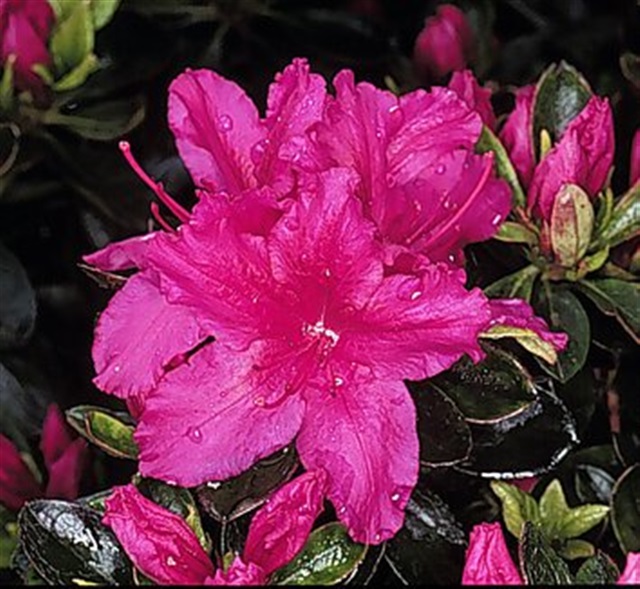
‘GIRARD’ fuchsia is pure visual drama. Picture delicate, two-toned flowers that dangle like tiny Japanese lanterns from every branch—deep magenta-red sepals that flare open to reveal rich purple corolla skirts beneath. The foliage is equally lovely: soft green, slightly glossy leaves on gracefully arching stems that create a natural, fountain-like habit. Plants grow full and lush, never leggy or sparse if they’re getting what they need. In peak bloom season, the flowers are so abundant they nearly hide the leaves. This is the kind of plant that stops visitors mid-conversation and makes them ask, “What IS that?”
Growing it in your garden
Here’s where ‘GIRARD’ fuchsia earns its reputation as a New England game-changer. While tender fuchsias sulk in full sun and struggle with our humidity, ‘GIRARD’ actually prefers partial to dappled shade—perfect for those tricky spots on the east side of a fence or beneath tall trees. It loves consistently moist (not waterlogged) soil rich in organic matter. The good news? Connecticut’s natural moisture levels and our cool nights are actually ideal for this variety. ‘GIRARD’ appreciates afternoon shade during our hottest July and August days, which keeps blooms fresher and prevents stress. Plant it in spring after the last frost, and give it room to develop its naturally arching form.
Through the seasons
Spring brings new growth in soft green—it’s the quiet act before the show. By early summer, flower buds form prolifically along the stems. From June through September, and often into October if temperatures stay mild, ‘GIRARD’ delivers continuous blooms. Unlike many flowering shrubs that have one glorious week and then rest, this fuchsia is a chronic overachiever. The hummingbirds find it first—you’ll swear they live in your garden once ‘GIRARD’ starts flowering. As fall approaches and nights cool, blooming may slow slightly, but plants often bounce back with another flush when warm weather returns. Come November, ‘GIRARD’ needs protection or overwintering indoors, since it’s not winter-hardy in Connecticut. Many gardeners treat it as a seasonal treasure—moving container-grown plants to a cool, frost-free space (an unheated garage or cool basement works beautifully) and bringing them back out in spring.
Where it shines
‘GIRARD’ fuchsia is the answer to the eternal New England gardening question: “What grows in partial shade?” It’s stunning in mixed shade borders alongside hostas, coral bells, and Japanese forest grass, where its dangling flowers create wonderful vertical interest among mounding perennials. Container gardeners absolutely adore it—a single well-grown plant in a large pot becomes a focal point on a shaded patio or deck. Pair it with shade-loving annuals like impatiens or begonias, and you’ve created a sophisticated shade garden display. It’s equally at home in a woodland garden or tucked into a sheltered corner where it gets dappled afternoon sun filtered through tree leaves.
Perfect companions
Think about texture and light reflection when pairing ‘GIRARD’ with other plants. Silver-foliaged ARTEMISIA works beautifully nearby, making those magenta flowers absolutely pop. White-flowering hostas or shade-loving astilbe create a cool contrast. Deep purple heuchera makes the fuchsia blooms seem to glow. For spring interest before ‘GIRARD’ leafs out fully, plant spring bulbs nearby—soft pinks or whites will complement the later magenta display. Trailing ivy or silvery diascia cascading from nearby containers creates a lush, layered effect.
Care tips
Consistent moisture is non-negotiable—mulch around the base with 2-3 inches of good compost to help retain moisture during our occasionally dry Connecticut summers. Deadheading spent blooms encourages more flowering, though with ‘GIRARD’, you’re rarely faced with a shortage of flowers. In early summer, you can pinch back growing tips to encourage a fuller, bushier form. Watch for spider mites if plants get too dry, and check for whitefly in humid conditions—a gentle spray of water or mild insecticidal soap handles both problems quickly. Feed every two weeks during the growing season with a balanced or slightly higher potassium fertilizer to promote continuous blooming. If overwintering indoors, reduce watering (soil should be barely moist) and keep plants in a cool location with minimal fertilizing.
Quick facts
- Hardiness Zone: 10-11 (grow as a tender perennial or annual in Connecticut; move indoors for winter)
- Mature Height & Spread: 3-4 feet tall and wide (variable with growing conditions)
- Bloom Season: June through October (with regular blooming through first frost)
- Light Requirements: Partial to dappled shade; afternoon shade in hot climates
- Water Needs: Consistently moist, well-draining soil; moderate to high water requirements
- Available at: Both our retail and wholesale locations