Description

CERCIS CANADENSIS ‘FIRELIGHT’
Imagine a tree that ignites your spring garden in shades of coral, rose, and deep burgundy—then holds that magic throughout the entire growing season. That’s Firelight Redbud, a showstopper that transforms the typical Connecticut landscape into something genuinely breathtaking. This isn’t just another redbud; it’s a cultivar that pushes the color boundaries so far that neighbors actually stop to ask what it is.
What it looks like
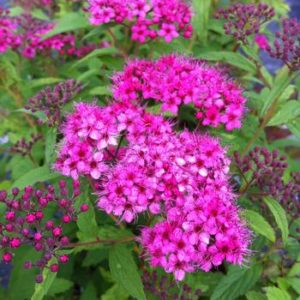
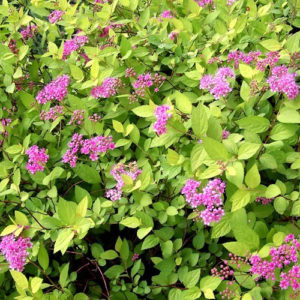
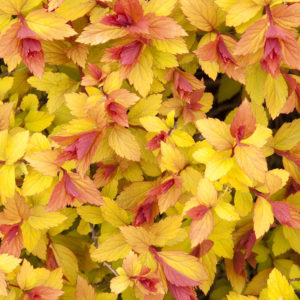
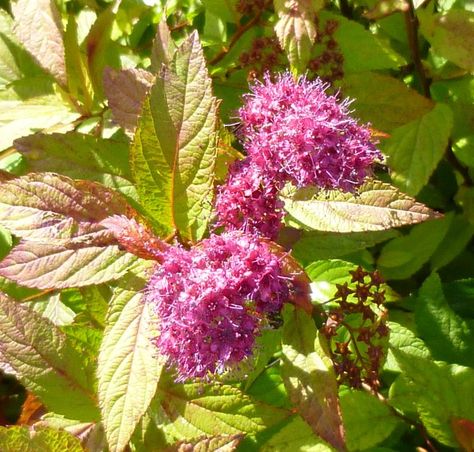
Firelight is a multistemmed, ornamental tree that reaches about 20 to 30 feet tall with a spreading, rounded canopy. But here’s what makes it special: the emerging foliage in spring is an almost unbelievable coral-rose color that gradually deepens to burgundy-tinged green as the season progresses. In late spring, the characteristic redbud flowers appear in clusters along the branches and trunk in shades of deep pink and magenta—a color show that standard redbuds simply can’t match. The heart-shaped leaves maintain that burgundy undertone throughout summer, giving you color when many gardens are turning monotone green. Come autumn, it shifts to golden yellow before dropping for winter.
Growing it in your garden
Here’s the good news: Firelight adapts beautifully to Connecticut growing conditions. It’s hardy straight through New England winters and thrives in the kind of varied soil conditions that real gardens actually have. It prefers full sun to partial shade—give it at least four to six hours of direct light daily if you want to maximize that dramatic color. The tree isn’t fussy about soil pH and tolerates everything from slightly acidic to neutral conditions. It does appreciate well-draining soil, so if you’re working with clay, amend it with organic matter when planting. Once established, Firelight is remarkably low-maintenance, which makes it perfect if you want impact without constant fussing.
Through the seasons
Spring is obviously the headliner here. As temperatures warm and days lengthen, watch the buds break into that coral-rose foliage, followed by the deep pink flowers that make redbuds so beloved in the first place. It’s the kind of show that makes April and May feel full of promise. Summer brings consistent color from those burgundy-tinted leaves—you’ll notice the contrast especially on cloudy days when that coloration seems to glow. The tree maintains its ornamental structure without looking sparse or awkward. As fall approaches, the leaves turn warm gold before dropping, revealing the attractive branching structure beneath. The winter silhouette is appealing, too; the multistemmed form and interesting branch pattern add architecture to your winter garden.
Where it shines
Firelight works beautifully as a specimen tree where you want to draw the eye—perhaps at the back corner of a border, or where it can be backlit by late afternoon sun. It’s ideal for gardens that want something more interesting than the typical shade tree, but without the massive footprint of a large oak or maple. It fits perfectly into mixed borders alongside spring bulbs, shade plants, and summer bloomers. Because it’s not aggressively large, you can plant it in moderately sized yards without it eventually overwhelming everything else. Many gardeners use Firelight in groupings of three or five for dramatic effect, or as a focal point where a driveway meets a house. It also works wonderfully as an understory tree in larger landscapes.
Perfect companions
Pair Firelight with spring bulbs like TULIPA ‘Black Parrot’ or deep purple crocuses to echo its color story. Shade-tolerant perennials like coral bells (HEUCHERA) pick up on the foliage tones beautifully. Groundcovers like creeping phlox or sweet woodruff work well beneath it, and summer bloomers like coneflowers or black-eyed Susans provide a different texture once the redbud’s color transitions. Silvery-leaved plants like Russian sage create striking contrast. Evergreen companions like boxwood or inkberry holly provide year-round structure and let Firelight be the drama.
Care tips
Plant Firelight in spring or early fall, giving it plenty of room to spread. Water regularly during the first growing season to establish a strong root system—Connecticut’s spring rains help tremendously with this. Once established, it’s quite drought-tolerant, though consistent moisture during hot summers keeps it looking its absolute best. Pruning is rarely necessary; the natural form is already attractive. If you do need to shape it, do so in early summer after flowering. Watch for the occasional spider mite in very hot, dry summers, and Japanese beetles might nibble the leaves, but neither is usually a serious problem on healthy trees. The real secret to keeping Firelight looking spectacular is giving it adequate sunlight—that’s where the magic happens.
Quick facts
- Hardiness Zone: 4-9
- Mature Height & Spread: 20-30 feet tall and wide
- Bloom Season: Late April through May
- Light Requirements: Full sun to partial shade (4-6+ hours direct sunlight)
- Water Needs: Moderate; regular during establishment, then drought-tolerant
- Available at: Both our retail and wholesale locations