Goldflame

NANDINA DOMESTICA ‘GOLDFLAME’

If you’ve been searching for a plant that practically glows in your landscape, stop here. Goldflame Nandina is the answer to every gardener’s desire for year-round color without the fuss. This isn’t your grandmother’s nandina—it’s a refined, sophisticated cultivar that transforms with the seasons, moving through a mesmerizing palette of gold, crimson, and burgundy. Plant it once, and you’ll wonder how you ever gardened without it.

What it looks like

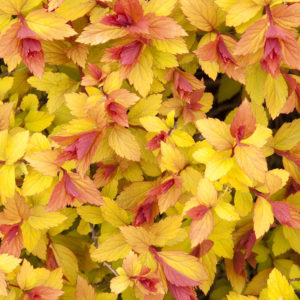
Goldflame is an upright, semi-evergreen shrub with fine, feathery foliage that catches light like nothing else in the garden. New growth emerges in brilliant golden-orange tones—genuinely luminous—gradually deepening to flame-red as summer settles in. Come autumn and winter, the foliage shifts to deep burgundy and wine, creating a dramatic focal point when most of the garden has faded to brown. The foliage texture is delicate and airy, almost bamboo-like, which makes it feel much lighter and more graceful than its substantial size suggests. Mature plants develop a naturally vase-shaped silhouette that looks intentional and design-forward without requiring heavy pruning.

Growing it in your garden

Goldflame thrives in Connecticut’s climate with minimal coaxing. It’s far more flexible than many gardeners realize—while it prefers full sun to partial shade for the most vivid color development, it adapts beautifully to the dappled light beneath tall deciduous trees. The key to success is well-draining soil; this plant doesn’t tolerate waterlogged conditions, so amend heavy clay with compost before planting. Once established (which happens quickly), Goldflame is remarkably drought-tolerant, a genuine asset during our increasingly dry summers. It’s also notably disease-resistant and pest-resistant, which means you’ll spend your time admiring it rather than troubleshooting problems.

Through the seasons

Spring is when Goldflame really introduces itself—new growth unfurls in that extraordinary golden-orange that seems to emanate its own warmth. By early summer, the foliage has matured to a rich flame-red, providing stunning contrast against blue-flowering companions or serving as a dramatic backdrop for softer pastels. In late summer and fall, the transformation deepens—the foliage develops burgundy and wine tones that intensify with cooler nights, reaching peak color by November. Winter doesn’t diminish Goldflame’s presence; instead, it showcases the plant’s architectural structure and those deep wine-red tones that provide essential color when the rest of the landscape is dormant. New England’s crisp fall weather actually enhances the color shift, making this an ideal choice for our region.

Where it shines

Goldflame excels in foundation plantings, where its moderate size and refined form feel at home. It’s exceptional as a specimen plant—position it where morning or afternoon light can illuminate the foliage—or use it as a striking vertical accent in mixed shrub borders. Many gardeners successfully container-grow Goldflame for patios and entryways, where its color and texture bring sophisticated style. It works beautifully in Japanese-inspired gardens, where its bamboo-like foliage feels at home, and equally well in contemporary landscapes where its geometric form reads as intentional and architectural. The real magic happens when you use it to create winter interest—plant a grouping of Goldflame and suddenly your winter garden has a focal point that rivals summer.

Perfect companions

Pair Goldflame with silver or blue-toned foliage plants like Russian Sage (PEROVSKIA) or Artemisia to amplify its warmth. Evergreens like Emerald Green Arborvitae or Japanese Holly (ILEX CRENATA) provide grounding structure and make the flame tones sing even more brilliantly. For seasonal underplanting, spring bulbs like Tulips and Daffodils echo the warm tones of emerging foliage, while shade-tolerant hostas or Heuchera create textural contrast at ground level. Ornamental grasses, particularly those with gold or copper tones, extend the color theme and add gentle movement around the Goldflame’s structured form.

Care tips

Plant Goldflame in spring or early fall, giving it the full season to establish before Connecticut’s hardest winters. Water regularly during the first year, then only during extended dry spells. Prune lightly in early spring if you want to shape it, but honestly, Goldflame’s natural form is so elegant that most gardeners leave it alone. In late winter, remove any branches that winter damage has affected. It’s occasionally troubled by spider mites in hot, dry conditions—if you notice fine webbing, increase water frequency and mist occasionally. Avoid heavy fertilizing, which encourages soft, tender growth susceptible to damage.

Quick facts

  • Hardiness Zone: Zones 6-11 (reliable in Connecticut)
  • Mature Height & Spread: 4-5 feet tall, 2-3 feet wide
  • Bloom Season: Non-flowering; grown for foliage
  • Light Requirements: Full sun to partial shade (full sun for best color)
  • Water Needs: Moderate; drought-tolerant once established
  • Available at: Both our retail and wholesale locations
Goldflame

Category:

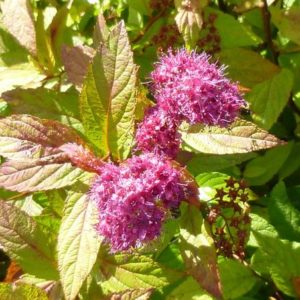
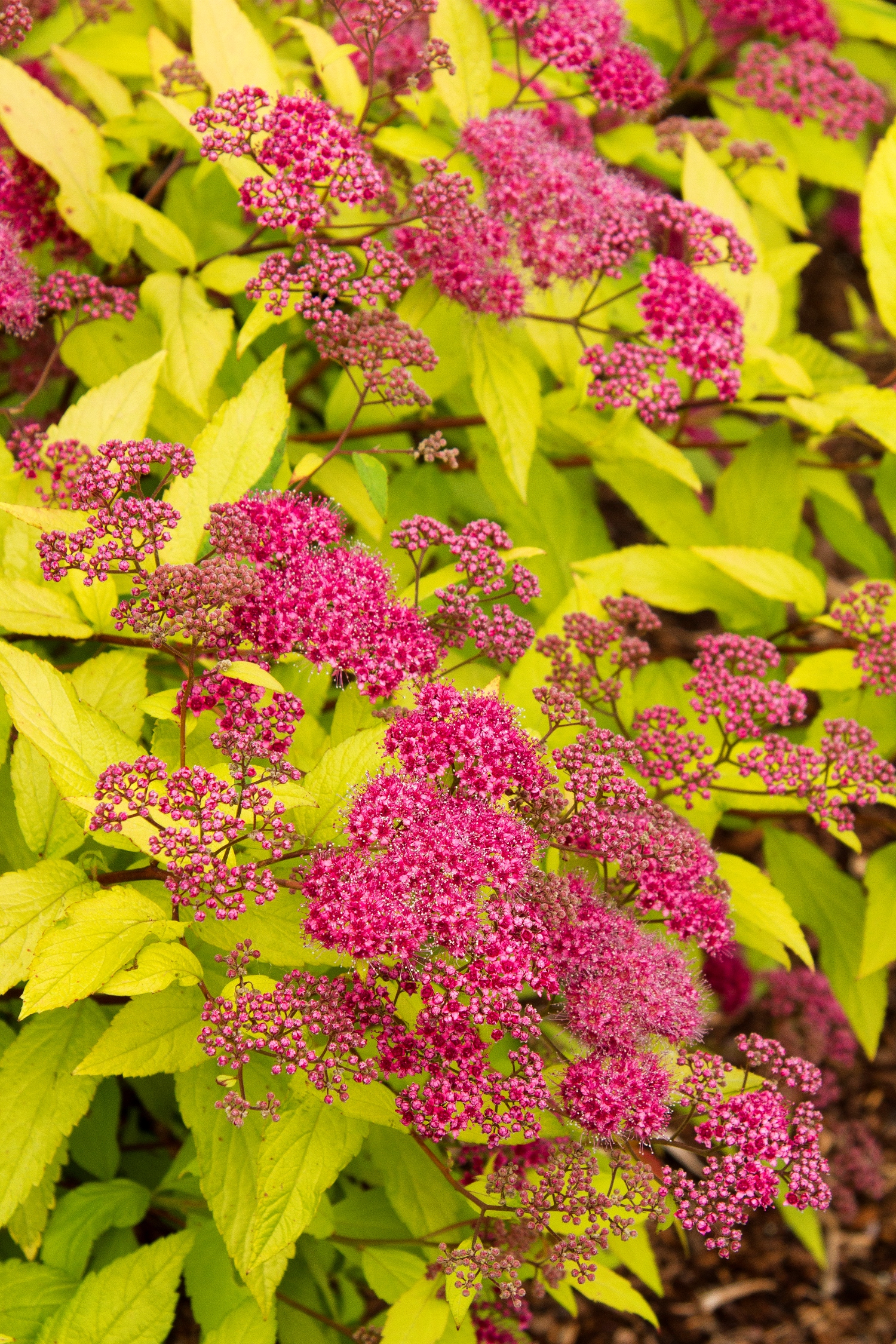
Beautiful bronze red foliage turning soft yellow. Wonderful pink flowers, good heat tolerance, and leaf color make this an ideal selection.

Zoning: 3-8
Mature Height and Spread: 3-4’

Description

Goldflame

NANDINA DOMESTICA ‘GOLDFLAME’

If you’ve been searching for a plant that practically glows in your landscape, stop here. Goldflame Nandina is the answer to every gardener’s desire for year-round color without the fuss. This isn’t your grandmother’s nandina—it’s a refined, sophisticated cultivar that transforms with the seasons, moving through a mesmerizing palette of gold, crimson, and burgundy. Plant it once, and you’ll wonder how you ever gardened without it.

What it looks like

Goldflame is an upright, semi-evergreen shrub with fine, feathery foliage that catches light like nothing else in the garden. New growth emerges in brilliant golden-orange tones—genuinely luminous—gradually deepening to flame-red as summer settles in. Come autumn and winter, the foliage shifts to deep burgundy and wine, creating a dramatic focal point when most of the garden has faded to brown. The foliage texture is delicate and airy, almost bamboo-like, which makes it feel much lighter and more graceful than its substantial size suggests. Mature plants develop a naturally vase-shaped silhouette that looks intentional and design-forward without requiring heavy pruning.

Growing it in your garden

Goldflame thrives in Connecticut’s climate with minimal coaxing. It’s far more flexible than many gardeners realize—while it prefers full sun to partial shade for the most vivid color development, it adapts beautifully to the dappled light beneath tall deciduous trees. The key to success is well-draining soil; this plant doesn’t tolerate waterlogged conditions, so amend heavy clay with compost before planting. Once established (which happens quickly), Goldflame is remarkably drought-tolerant, a genuine asset during our increasingly dry summers. It’s also notably disease-resistant and pest-resistant, which means you’ll spend your time admiring it rather than troubleshooting problems.

Through the seasons

Spring is when Goldflame really introduces itself—new growth unfurls in that extraordinary golden-orange that seems to emanate its own warmth. By early summer, the foliage has matured to a rich flame-red, providing stunning contrast against blue-flowering companions or serving as a dramatic backdrop for softer pastels. In late summer and fall, the transformation deepens—the foliage develops burgundy and wine tones that intensify with cooler nights, reaching peak color by November. Winter doesn’t diminish Goldflame’s presence; instead, it showcases the plant’s architectural structure and those deep wine-red tones that provide essential color when the rest of the landscape is dormant. New England’s crisp fall weather actually enhances the color shift, making this an ideal choice for our region.

Where it shines

Goldflame excels in foundation plantings, where its moderate size and refined form feel at home. It’s exceptional as a specimen plant—position it where morning or afternoon light can illuminate the foliage—or use it as a striking vertical accent in mixed shrub borders. Many gardeners successfully container-grow Goldflame for patios and entryways, where its color and texture bring sophisticated style. It works beautifully in Japanese-inspired gardens, where its bamboo-like foliage feels at home, and equally well in contemporary landscapes where its geometric form reads as intentional and architectural. The real magic happens when you use it to create winter interest—plant a grouping of Goldflame and suddenly your winter garden has a focal point that rivals summer.

Perfect companions

Pair Goldflame with silver or blue-toned foliage plants like Russian Sage (PEROVSKIA) or Artemisia to amplify its warmth. Evergreens like Emerald Green Arborvitae or Japanese Holly (ILEX CRENATA) provide grounding structure and make the flame tones sing even more brilliantly. For seasonal underplanting, spring bulbs like Tulips and Daffodils echo the warm tones of emerging foliage, while shade-tolerant hostas or Heuchera create textural contrast at ground level. Ornamental grasses, particularly those with gold or copper tones, extend the color theme and add gentle movement around the Goldflame’s structured form.

Care tips

Plant Goldflame in spring or early fall, giving it the full season to establish before Connecticut’s hardest winters. Water regularly during the first year, then only during extended dry spells. Prune lightly in early spring if you want to shape it, but honestly, Goldflame’s natural form is so elegant that most gardeners leave it alone. In late winter, remove any branches that winter damage has affected. It’s occasionally troubled by spider mites in hot, dry conditions—if you notice fine webbing, increase water frequency and mist occasionally. Avoid heavy fertilizing, which encourages soft, tender growth susceptible to damage.

Quick facts

  • Hardiness Zone: Zones 6-11 (reliable in Connecticut)
  • Mature Height & Spread: 4-5 feet tall, 2-3 feet wide
  • Bloom Season: Non-flowering; grown for foliage
  • Light Requirements: Full sun to partial shade (full sun for best color)
  • Water Needs: Moderate; drought-tolerant once established
  • Available at: Both our retail and wholesale locations