If you’re looking for a dependable evergreen shrub that’ll give your Connecticut garden structure, texture, and year-round beauty without demanding constant attention, the Densiformis Yew might just be your new favorite plant friend. This compact cultivar is a real gem for New England gardeners who want that polished, sophisticated look without the fussiness of high-maintenance alternatives. It’s the kind of plant that quietly does its job beautifully, season after season, which is exactly what we love about it here in the Northeast.

What it looks like

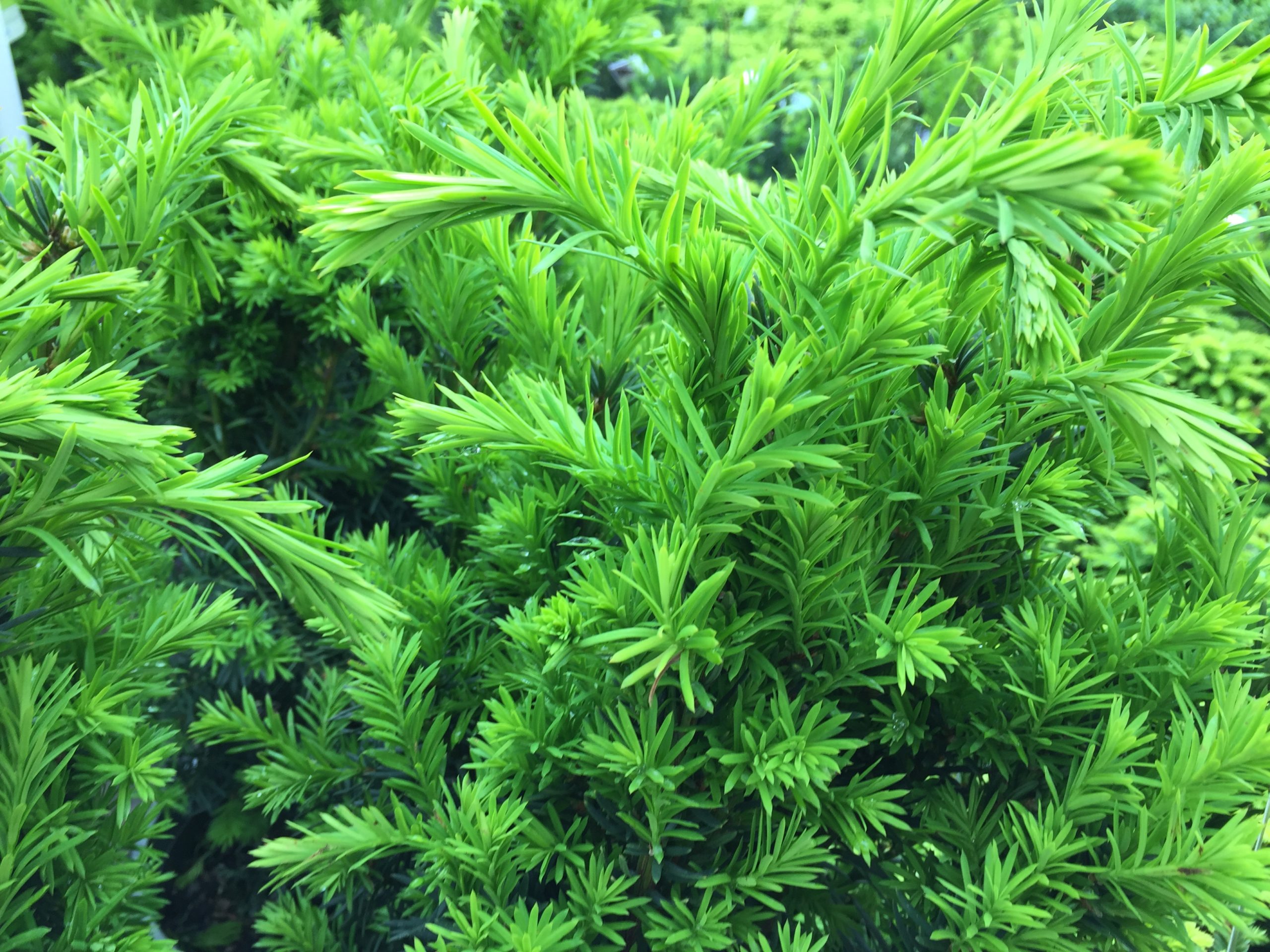
The TAXUS CUSPIDATA ‘DENSIFORMIS’ is a stunner in the evergreen world. You’re getting dense, fine-textured foliage in that rich, deep green color that makes us Connecticut gardeners feel right at home—it’s the kind of green that looks good even on gray New England days. The needles are soft and feathery, arranged in flattened sprays that create an almost velvety appearance. The overall form is naturally compact and mounding, with a slightly spreading habit that creates wonderful dimension without taking up excessive space. Unlike some yews that want to grow tall and columnar, the Densiformis stays pleasingly squat and rounded, almost like someone already pruned it into perfection—which honestly makes the work of growing it so much easier for us.

Growing it in your garden

Here’s the beauty of this yew: it’s remarkably adaptable to Connecticut’s particular growing conditions. It thrives in partial shade to full sun, though I’ve noticed it develops the richest color when it gets at least a few hours of direct sunlight daily. The Densiformis is wonderfully tolerant of various soil types, which is huge for us gardeners dealing with New England’s rocky, sometimes acidic soils. It doesn’t demand fertile, perfectly amended earth—it’ll happily settle into average to moderately fertile soil with decent drainage. One thing to remember is that yews absolutely detest waterlogged conditions, so make sure the planting site drains reasonably well. If you’re working with heavy clay that holds water, amend it with some compost or peat moss to improve drainage. Once established, this yew is quite drought-tolerant, which makes it perfect for those hot, dry stretches of Connecticut summer we’ve been experiencing more frequently.

Through the seasons

What I adore about the Densiformis Yew is its reliability throughout our New England year. Spring brings fresh, bright green growth that invigorates the garden after winter, while the foliage remains dense and tidy without looking sparse or rough. Summer finds your yew at its most lush, providing excellent structure and background for flowering perennials and annuals around it. Fall? The Densiformis barely changes—it stays as gorgeously green as ever while everything else is putting on a show, which means it actually becomes more visually important as the garden transitions. And winter is where this plant really earns its keep. While deciduous plants are sleeping and herbaceous perennials are down to soil level, your Densiformis stands strong, dark, and dignified, providing essential winter structure and that much-needed greenery that keeps our Connecticut gardens from looking completely brown and bleak. The female plants even produce bright red, berry-like arils in late fall if they’re pollinated, adding another layer of visual interest.

Where it shines

The Densiformis Yew is remarkably versatile. It’s excellent as a foundation planting along the front of your house—it stays low and rounded enough not to block windows, yet substantial enough to anchor your landscape design. Use it in groups for a hedge or screening—several plants together create a beautiful, unified wall of texture. It works beautifully in mixed evergreen and deciduous shrub borders, providing that reliable green backdrop while other plants take their seasonal turns. I’m also a big fan of using it in containers near entryways in areas where hardiness matters, and it works wonderfully in woodland-edge gardens and shade gardens throughout Connecticut. Because of its compact nature, it’s perfect for smaller yards where oversized plants would look out of proportion.

Perfect companions

The neutral greenery of the Densiformis pairs beautifully with almost everything. Combine it with spring-blooming shade plants like hellebores and bleeding heart for a lush, textured look. In sunnier spots, pair it with ornamental grasses and flowering perennials like Russian sage or coneflowers—the yew provides solid structure while the colorful flowers dance in front. Late-season bloomers like asters and goldenrod look stunning against its deep green. It also makes an excellent companion for other evergreens; try pairing it with boxwoods or dwarf cultivars of arborvitae for a sophisticated evergreen tapestry. Variegated holly varieties nearby create nice color contrast, and rhododendrons and azaleas appreciate the similar growing conditions.

Care tips

The Densiformis is pretty low-maintenance, which we Connecticut gardeners always appreciate. Water newly planted yews regularly during their first growing season to establish deep roots, then gradually reduce supplemental watering as they mature. Once established, they’ll handle our typical New England rainfall just fine, though during extended drought periods, an occasional deep watering is appreciated. Pruning is minimal—this cultivar naturally maintains a compact form—but if you want to keep it tidy or rejuvenate an older plant, light pruning in late spring works beautifully. Never prune into completely bare wood; yews won’t regenerate from dead growth. Finally, remember that all parts of yews are toxic, so plant them where children and pets won’t be tempted to nibble (though honestly, the foliage tastes terrible, so most leave it alone).

Quick facts

  • Hardiness Zone: Zones 4-7 (Perfect for Connecticut!)
  • Mature Height & Spread: 3-4 feet tall, 4-5 feet wide
  • Bloom Season: Spring (inconspicuous flowers); red arils in fall on female plants
  • Light Requirements: Partial shade to full sun
  • Water Needs: Moderate; drought-tolerant once established
  • Available at: Both our retail and wholesale locations.

Densiformis Yew

Category:

Dense, low, spreading shrub is an excellent basic foundation planting for a hedge, screen or border. The dark green foliage backs scarlet-colored, berry-like cones.

Zoning: 4-7
Mature Height and Spread: 3-4’ & 4-8’

Description

If you’re looking for a dependable evergreen shrub that’ll give your Connecticut garden structure, texture, and year-round beauty without demanding constant attention, the Densiformis Yew might just be your new favorite plant friend. This compact cultivar is a real gem for New England gardeners who want that polished, sophisticated look without the fussiness of high-maintenance alternatives. It’s the kind of plant that quietly does its job beautifully, season after season, which is exactly what we love about it here in the Northeast.

What it looks like

The TAXUS CUSPIDATA ‘DENSIFORMIS’ is a stunner in the evergreen world. You’re getting dense, fine-textured foliage in that rich, deep green color that makes us Connecticut gardeners feel right at home—it’s the kind of green that looks good even on gray New England days. The needles are soft and feathery, arranged in flattened sprays that create an almost velvety appearance. The overall form is naturally compact and mounding, with a slightly spreading habit that creates wonderful dimension without taking up excessive space. Unlike some yews that want to grow tall and columnar, the Densiformis stays pleasingly squat and rounded, almost like someone already pruned it into perfection—which honestly makes the work of growing it so much easier for us.

Growing it in your garden

Here’s the beauty of this yew: it’s remarkably adaptable to Connecticut’s particular growing conditions. It thrives in partial shade to full sun, though I’ve noticed it develops the richest color when it gets at least a few hours of direct sunlight daily. The Densiformis is wonderfully tolerant of various soil types, which is huge for us gardeners dealing with New England’s rocky, sometimes acidic soils. It doesn’t demand fertile, perfectly amended earth—it’ll happily settle into average to moderately fertile soil with decent drainage. One thing to remember is that yews absolutely detest waterlogged conditions, so make sure the planting site drains reasonably well. If you’re working with heavy clay that holds water, amend it with some compost or peat moss to improve drainage. Once established, this yew is quite drought-tolerant, which makes it perfect for those hot, dry stretches of Connecticut summer we’ve been experiencing more frequently.

Through the seasons

What I adore about the Densiformis Yew is its reliability throughout our New England year. Spring brings fresh, bright green growth that invigorates the garden after winter, while the foliage remains dense and tidy without looking sparse or rough. Summer finds your yew at its most lush, providing excellent structure and background for flowering perennials and annuals around it. Fall? The Densiformis barely changes—it stays as gorgeously green as ever while everything else is putting on a show, which means it actually becomes more visually important as the garden transitions. And winter is where this plant really earns its keep. While deciduous plants are sleeping and herbaceous perennials are down to soil level, your Densiformis stands strong, dark, and dignified, providing essential winter structure and that much-needed greenery that keeps our Connecticut gardens from looking completely brown and bleak. The female plants even produce bright red, berry-like arils in late fall if they’re pollinated, adding another layer of visual interest.

Where it shines

The Densiformis Yew is remarkably versatile. It’s excellent as a foundation planting along the front of your house—it stays low and rounded enough not to block windows, yet substantial enough to anchor your landscape design. Use it in groups for a hedge or screening—several plants together create a beautiful, unified wall of texture. It works beautifully in mixed evergreen and deciduous shrub borders, providing that reliable green backdrop while other plants take their seasonal turns. I’m also a big fan of using it in containers near entryways in areas where hardiness matters, and it works wonderfully in woodland-edge gardens and shade gardens throughout Connecticut. Because of its compact nature, it’s perfect for smaller yards where oversized plants would look out of proportion.

Perfect companions

The neutral greenery of the Densiformis pairs beautifully with almost everything. Combine it with spring-blooming shade plants like hellebores and bleeding heart for a lush, textured look. In sunnier spots, pair it with ornamental grasses and flowering perennials like Russian sage or coneflowers—the yew provides solid structure while the colorful flowers dance in front. Late-season bloomers like asters and goldenrod look stunning against its deep green. It also makes an excellent companion for other evergreens; try pairing it with boxwoods or dwarf cultivars of arborvitae for a sophisticated evergreen tapestry. Variegated holly varieties nearby create nice color contrast, and rhododendrons and azaleas appreciate the similar growing conditions.

Care tips

The Densiformis is pretty low-maintenance, which we Connecticut gardeners always appreciate. Water newly planted yews regularly during their first growing season to establish deep roots, then gradually reduce supplemental watering as they mature. Once established, they’ll handle our typical New England rainfall just fine, though during extended drought periods, an occasional deep watering is appreciated. Pruning is minimal—this cultivar naturally maintains a compact form—but if you want to keep it tidy or rejuvenate an older plant, light pruning in late spring works beautifully. Never prune into completely bare wood; yews won’t regenerate from dead growth. Finally, remember that all parts of yews are toxic, so plant them where children and pets won’t be tempted to nibble (though honestly, the foliage tastes terrible, so most leave it alone).

Quick facts

  • Hardiness Zone: Zones 4-7 (Perfect for Connecticut!)
  • Mature Height & Spread: 3-4 feet tall, 4-5 feet wide
  • Bloom Season: Spring (inconspicuous flowers); red arils in fall on female plants
  • Light Requirements: Partial shade to full sun
  • Water Needs: Moderate; drought-tolerant once established
  • Available at: Both our retail and wholesale locations.