Description

VIBURNUM X PRAGENSE ‘AUTUMN JAZZ’
If you’ve been searching for a viburnum that doesn’t just blend into your landscape but genuinely excels at every turn, AUTUMN JAZZ VIBURNUM has been waiting for you. This hybrid powerhouse combines the reliable hardiness of New England natives with the stunning good looks of its parents, delivering a plant that handles Connecticut’s temperamental springs, humid summers, and unpredictable falls without a single complaint. It’s the kind of plant that makes gardeners feel clever for choosing it.
What it looks like
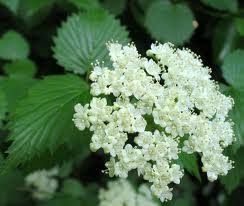
AUTUMN JAZZ VIBURNUM is an upright, deciduous shrub with a naturally tidy form that rarely needs aggressive pruning. The glossy, deep green foliage is finely textured and positively luminous in spring sunlight. Come late spring, delicate white flowers gather in flat-topped clusters that hover above the leaves like snow clouds—they’re lightly fragrant too, a bonus that catches visitors off-guard.
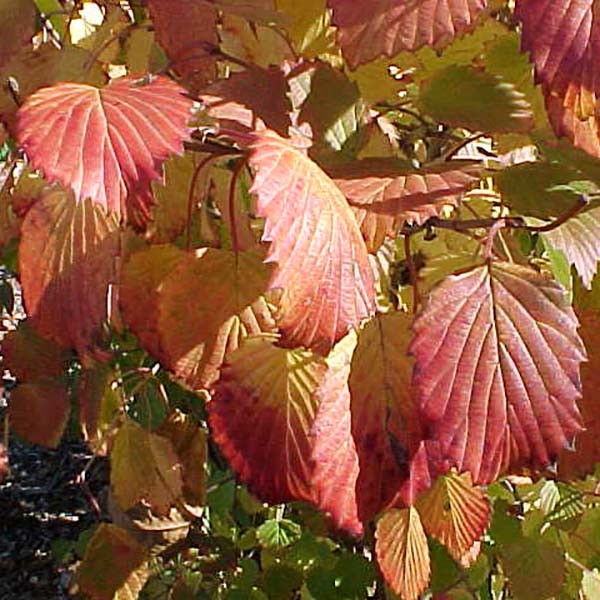
But here’s where AUTUMN JAZZ truly earns its name: the foliage transformation is nothing short of spectacular. As temperatures drop in fall, the leaves shift through burnished orange, crimson, and deep burgundy, sometimes all on the same plant at once. It’s a performance that rivals dedicated ornamental trees, except this performer comes in shrub form, fitting neatly into spaces where trees won’t work.
Growing it in your garden
This viburnum is refreshingly low-maintenance once established. It tolerates a wide range of soil conditions—from slightly acidic to neutral pH—and actually improves in quality as it matures. Plant it in spring or fall to give roots time to settle before peak season stress. Space plants 4 to 6 feet apart if you’re creating a screen or informal hedge; closer spacing fills in faster.
AUTUMN JAZZ handles full sun to part shade equally well, though you’ll get better flowering and more intense fall color in sunnier spots. The fact that it performs decently in shadier locations is a real asset for Connecticut gardeners dealing with mature tree canopies and limited sunny real estate. Water regularly during the first growing season—think of it as an investment in a strong root system that’ll serve you for decades.
Through the seasons
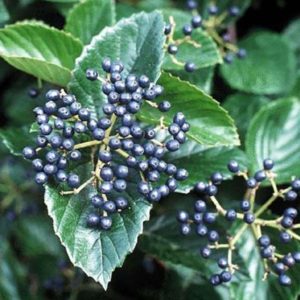
Spring brings fresh, emerging foliage with a slightly bronzed tint before turning that glossy green. Fragrant white flower clusters appear in late May through early June, depending on your microclimate. These blooms attract pollinators and set the stage for fall berries that shift from red to black, providing food for birds right through winter.
Summer is the green screen season—AUTUMN JAZZ maintains its composure through Connecticut’s humidity and heat, neither wilting dramatically nor growing straggly. By August, you might notice the first hints of color change creeping into the leaf margins, a teaser of what’s coming.
Fall is absolutely showstopping. Unlike some viburnums that fade to dull brown, AUTUMN JAZZ blazes with genuine warmth. The berries deepen to glossy black just as the foliage hits peak color—it’s a two-for-one display that keeps your garden interesting long after other plants have checked out.
Winter reveals the plant’s architectural bones: a sturdy, upright framework that provides structure even when bare. The persistent black berries feed wildlife through the coldest months, and the bare branches show off that reliable skeleton that’s quietly doing its job.
Where it shines
Use AUTUMN JAZZ as a focal point in a mixed border, where its spring flowers, summer structure, fall color, and persistent berries create interest from every season. It makes an excellent informal hedge or screen—not so dense that it looks severe, but substantial enough to provide privacy or wind protection. Foundation plantings, shrub borders, and corner placements all benefit from its upright-spreading form.
In smaller Connecticut gardens, this viburnum earns its square footage through multi-season performance. You’re not dealing with a one-trick pony that looks sad for eight months of the year.
Perfect companions
Pair AUTUMN JAZZ with spring bulbs at its base—daffodils and Grecian windflower appreciate the dry soil under the shrub’s canopy once they’ve finished blooming. Hostas and hellebores provide cool green contrast to that showy fall color. For a pollinator-friendly combination, surround it with native black-eyed Susans, coneflowers, and butterfly weed. Winter-interest companions like red-twig dogwood play beautifully against those glossy black berries.
Care tips
Pruning is optional—the plant naturally grows into a pleasing shape. If you do want to tidy it up or control size, do so right after flowering in early summer, never in fall when you’d remove next year’s berry display. Water during dry spells in the first two years; established plants are drought-tolerant. No serious pests or diseases plague this hybrid in Connecticut gardens. Fertilizing is unnecessary if you’ve incorporated compost at planting time.
Quick facts
- Hardiness Zone: 5–8 (reliably hardy throughout Connecticut)
- Mature Height & Spread: 6–8 feet tall and 4–6 feet wide
- Bloom Season: Late May through early June
- Light Requirements: Full sun to part shade
- Water Needs: Moderate; drought-tolerant once established
- Available at: Both our retail and wholesale locations