VIBURNUM CHICAGO LUSTRE

What if one plant could give you glossy, deep-green foliage that catches the light like polished jade, fragrant clusters of cream-colored flowers in spring, and reliable red berries that ripen to black by fall? The Chicago Lustre Viburnum does exactly that—and it does it with the kind of hardy, unfussy confidence that makes Connecticut gardeners sleep soundly at night. This is a viburnum that looks like it belongs in a designer’s garden but behaves like a true New England native, thriving in our variable climate without drama or fuss.

What it looks like

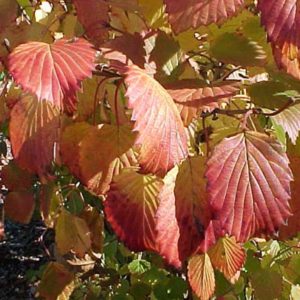
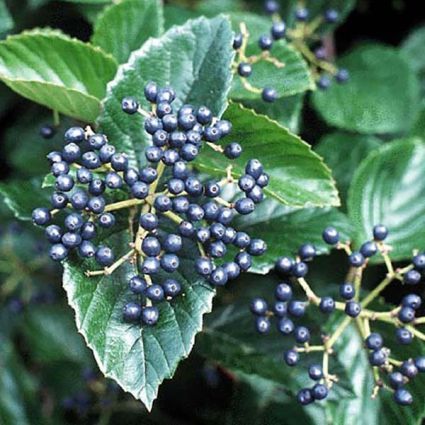
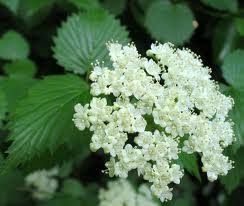
Chicago Lustre is a deciduous viburnum with one of the most lustrous foliages you’ll find in the shrub world. Its leaves emerge burgundy-tinged in spring, mature to a deep, glossy forest green throughout summer, and transform into vibrant crimson-wine tones come autumn. The foliage is almost reflective—on a sunny day, the leaves practically glow. In late spring, flat-topped clusters of small, fragrant white flowers appear, drawing pollinators from all over the garden. The flowers give way to berries that start bright coral-red and deepen to near-black as they ripen, often coexisting with the fall foliage for a stunning color show. The overall habit is upright and mounding, with a naturally attractive shape that requires minimal pruning.

Growing it in your garden

Chicago Lustre is a Connecticut gardener’s dream. It’s tough as they come—cold hardy, disease-resistant, and far more forgiving than many of its viburnum cousins. Plant it in full sun to partial shade, and it will reward you with denser growth and more prolific flowering in sunnier spots. It’s adaptable to various soil types, though it prefers well-draining conditions and moderate moisture. Unlike some viburnums that sulk in clay or compacted soil, Chicago Lustre takes Connecticut’s temperamental growing conditions in stride. Space it about 8 feet apart if planting multiples, as it has good branching from the ground up. This is the kind of plant you can put in, step back, and let do its thing for years without constant attention.

Through the seasons

Spring arrives with burgundy-tinged new growth and fragrant white flower clusters—a subtle but sophisticated show that fills the garden with an intoxicating scent on warm April days. Early summer settles into that gorgeous glossy-green phase, and the berries begin their color transformation. By midsummer, you’ll see bright red berries dotting the foliage. Fall is when Chicago Lustre truly shines, as the leaves shift through shades of burgundy and wine while the berries deepen to almost black. The birds know it too—wildlife will flock to those dark berries in late fall and early winter. Winter reveals the plant’s attractive branching structure and lingering berries, adding subtle interest even when deciduous foliage is gone.

Where it shines

Chicago Lustre belongs in the mixed shrub border where its glossy foliage can act as a backdrop for other plantings. It’s equally at home as a specimen shrub where its architectural form and seasonal color changes can be fully appreciated. Use it at the edge of a woodland garden, as a privacy screen (it’s dense enough for that purpose), or massed in groups for maximum impact. The fragrant spring flowers make it lovely near seating areas where you can enjoy the scent. This is also an excellent choice for a four-season garden composition where winter structure, spring fragrance, summer foliage, and fall color all matter.

Perfect companions

Pair Chicago Lustre with ornamental grasses like Karl Foerster CALAMAGROSTIS for textural contrast. Underplant with shade-tolerant perennials like bleeding heart or hellebores that appreciate the dappled shade a mature Chicago Lustre can provide. It looks stunning combined with evergreen companions like boxwood or dwarf conifer selections that echo its formal qualities. For late-season interest, combine it with fall-blooming asters or sedums that prolong the garden’s beauty as the viburnum’s foliage shifts color.

Care tips

Chicago Lustre requires minimal fuss, but a few practices will keep it thriving. Water regularly during establishment (the first year), then deeply during dry spells. A light pruning after flowering maintains shape if needed, though the plant’s natural form usually requires little intervention. In spring, apply 2-3 inches of mulch around the base (keeping it away from the stem) to retain moisture and regulate soil temperature through Connecticut’s temperature swings. Deadheading spent flowers isn’t necessary and may actually reduce berry production, which is half the plant’s appeal. Watch for occasional aphids on new growth, but Chicago Lustre’s general vigor makes it more resistant than tender viburnums.

Quick facts

  • Hardiness Zone: Zone 4-8
  • Mature Height & Spread: 8-10 feet tall and wide
  • Bloom Season: Late spring (May)
  • Light Requirements: Full sun to partial shade
  • Water Needs: Moderate; prefers consistent moisture but adapts to Connecticut’s variable conditions
  • Available at: Both our retail and wholesale locations
Chicago Lustre Viburnum

Category:

Rich dark green foliage with abundant white flowers followed by profuse black berries.

Zoning: 3-8
Mature Height and Spread: 10’

Description

VIBURNUM CHICAGO LUSTRE

What if one plant could give you glossy, deep-green foliage that catches the light like polished jade, fragrant clusters of cream-colored flowers in spring, and reliable red berries that ripen to black by fall? The Chicago Lustre Viburnum does exactly that—and it does it with the kind of hardy, unfussy confidence that makes Connecticut gardeners sleep soundly at night. This is a viburnum that looks like it belongs in a designer’s garden but behaves like a true New England native, thriving in our variable climate without drama or fuss.

What it looks like

Chicago Lustre is a deciduous viburnum with one of the most lustrous foliages you’ll find in the shrub world. Its leaves emerge burgundy-tinged in spring, mature to a deep, glossy forest green throughout summer, and transform into vibrant crimson-wine tones come autumn. The foliage is almost reflective—on a sunny day, the leaves practically glow. In late spring, flat-topped clusters of small, fragrant white flowers appear, drawing pollinators from all over the garden. The flowers give way to berries that start bright coral-red and deepen to near-black as they ripen, often coexisting with the fall foliage for a stunning color show. The overall habit is upright and mounding, with a naturally attractive shape that requires minimal pruning.

Growing it in your garden

Chicago Lustre is a Connecticut gardener’s dream. It’s tough as they come—cold hardy, disease-resistant, and far more forgiving than many of its viburnum cousins. Plant it in full sun to partial shade, and it will reward you with denser growth and more prolific flowering in sunnier spots. It’s adaptable to various soil types, though it prefers well-draining conditions and moderate moisture. Unlike some viburnums that sulk in clay or compacted soil, Chicago Lustre takes Connecticut’s temperamental growing conditions in stride. Space it about 8 feet apart if planting multiples, as it has good branching from the ground up. This is the kind of plant you can put in, step back, and let do its thing for years without constant attention.

Through the seasons

Spring arrives with burgundy-tinged new growth and fragrant white flower clusters—a subtle but sophisticated show that fills the garden with an intoxicating scent on warm April days. Early summer settles into that gorgeous glossy-green phase, and the berries begin their color transformation. By midsummer, you’ll see bright red berries dotting the foliage. Fall is when Chicago Lustre truly shines, as the leaves shift through shades of burgundy and wine while the berries deepen to almost black. The birds know it too—wildlife will flock to those dark berries in late fall and early winter. Winter reveals the plant’s attractive branching structure and lingering berries, adding subtle interest even when deciduous foliage is gone.

Where it shines

Chicago Lustre belongs in the mixed shrub border where its glossy foliage can act as a backdrop for other plantings. It’s equally at home as a specimen shrub where its architectural form and seasonal color changes can be fully appreciated. Use it at the edge of a woodland garden, as a privacy screen (it’s dense enough for that purpose), or massed in groups for maximum impact. The fragrant spring flowers make it lovely near seating areas where you can enjoy the scent. This is also an excellent choice for a four-season garden composition where winter structure, spring fragrance, summer foliage, and fall color all matter.

Perfect companions

Pair Chicago Lustre with ornamental grasses like Karl Foerster CALAMAGROSTIS for textural contrast. Underplant with shade-tolerant perennials like bleeding heart or hellebores that appreciate the dappled shade a mature Chicago Lustre can provide. It looks stunning combined with evergreen companions like boxwood or dwarf conifer selections that echo its formal qualities. For late-season interest, combine it with fall-blooming asters or sedums that prolong the garden’s beauty as the viburnum’s foliage shifts color.

Care tips

Chicago Lustre requires minimal fuss, but a few practices will keep it thriving. Water regularly during establishment (the first year), then deeply during dry spells. A light pruning after flowering maintains shape if needed, though the plant’s natural form usually requires little intervention. In spring, apply 2-3 inches of mulch around the base (keeping it away from the stem) to retain moisture and regulate soil temperature through Connecticut’s temperature swings. Deadheading spent flowers isn’t necessary and may actually reduce berry production, which is half the plant’s appeal. Watch for occasional aphids on new growth, but Chicago Lustre’s general vigor makes it more resistant than tender viburnums.

Quick facts

  • Hardiness Zone: Zone 4-8
  • Mature Height & Spread: 8-10 feet tall and wide
  • Bloom Season: Late spring (May)
  • Light Requirements: Full sun to partial shade
  • Water Needs: Moderate; prefers consistent moisture but adapts to Connecticut’s variable conditions
  • Available at: Both our retail and wholesale locations