Description

ILEX VERTICILLATA ‘WINTER RED’
If you’ve been searching for something that handles Connecticut’s unpredictable winters, wet soils, and the challenge of creating color when everything else has gone dormant, Winter Red Winterberry is your answer. This native deciduous holly is that rare plant that seems to improve with age, offering delicate spring flowers, clean summer foliage, and then—just when you need it most—spectacular red berries that persist well into winter, sometimes even until March. It’s reliability wrapped in brilliant color.
What it looks like
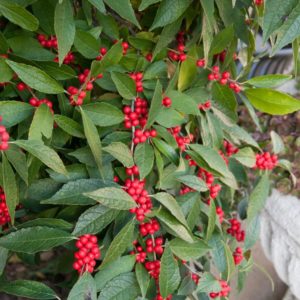
Winter Red Winterberry is a multi-stemmed shrub with an upright, naturally graceful form that feels at home in both formal and naturalistic settings. In spring, tiny white flowers dot the branches—understated but charming, and absolutely essential for berry production. The bright green, oval leaves are fine-textured and neat throughout the growing season, never looking rough or overgrown.
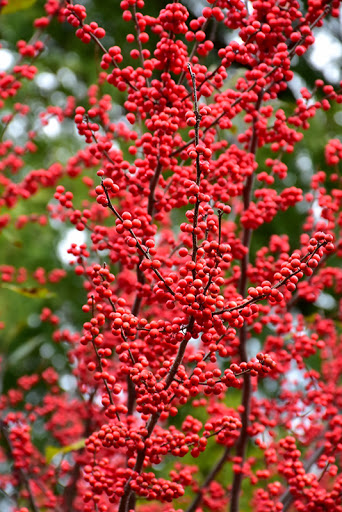
But it’s the berries that make this plant a star. Come autumn, the branches become absolutely laden with glossy, cherry-red berries that practically glow against gray New England skies and evergreen backdrops. As the leaves drop, these berries become even more prominent, creating structure and color in the dormant season when you’re hungry for visual interest.
Growing it in your garden
Winter Red Winterberry thrives in conditions that would challenge many ornamental shrubs. It loves moisture—boggy spots, rain gardens, and low areas where water lingers are actually its preference. In Connecticut’s climate, this native plant feels right at home and handles our winter swings without complaint. It’s also remarkably adaptable to various light conditions, though berry production is heaviest in full sun to part shade.
One important note: Winterberry is dioecious, meaning you need both male and female plants for berry production. The good news? One male plant can pollinate multiple females. Ask our team about pairing varieties—we can help you create the perfect combination. Winter Red is female, so she’s the showstopper; she just needs a male pollinator nearby (ILEX VERTICILLATA ‘JIM DANDY’ is an excellent choice).
Through the seasons
Spring brings those delicate white flowers—small enough to almost miss, but they’re the foundation for everything that follows. Summer is when Winter Red plays a supporting role, offering reliable green foliage and form while other plants take center stage. Autumn is the magic moment: leaves turn yellow and drop, revealing branches absolutely jeweled with red berries. Winter is when this plant truly shines, providing unexpected color and texture when most of the garden has faded to brown.
Where it shines
This is the ultimate choice for rain gardens and bioswales—it actually prefers soil that stays moist and doesn’t mind periodic flooding. Plant it in clusters of odd numbers (at least three females with one male nearby) along property lines, as a mass planting in a shrub border, or as a specimen where you want winter interest to be the focal point. It’s stunning in front of evergreens, where the red berries create stunning contrast. Winter Red also works beautifully in mixed borders and native plant gardens, bringing ecological value while looking undeniably ornamental.
Perfect companions
Winterberry loves company. Pair it with evergreen shrubs like ILEX GLABRA (Inkberry) or dwarf ILEX CRENATA (Box-leaved Holly) for year-round structure. Combine with late-season bloomers like asters and sedum for autumn interest that extends through the branches. Native sedges and grasses make excellent understory companions—they appreciate similar moisture conditions and create textural contrast. Consider adding winter-interest perennials like dried Hydrangea panicles or ornamental grasses nearby to echo the vertical lines of the berry-laden branches.
Care tips
Winter Red Winterberry is genuinely low-maintenance once established. Water regularly during the first growing season to establish a strong root system, then let rainfall handle most watering—though supplemental water during dry spells in July and August will keep it happy. Pruning is optional; many gardeners love the natural branching habit. If you want a more compact form, prune in late winter (February or early March) before growth begins. Remove any crossing or damaged branches, but avoid heavy shearing. In early spring, you can lightly thin branches to emphasize that graceful form and make berry display even more visible. No special fertilizing needed—this native thrives in average garden soil.
Quick facts
- Hardiness Zone: 3-9 (perfect for Connecticut)
- Mature Height & Spread: 8-10 feet tall, 5-8 feet wide (can be pruned smaller)
- Bloom Season: Late spring (May), berries persist through winter
- Light Requirements: Full sun to part shade (best berry production in sun)
- Water Needs: Prefers moist to wet soil; very tolerant of poor drainage
- Available at: Both our retail and wholesale locations