English Ivy

Oh, English ivy! If you’re looking for a classic climbing vine that practically writes its own success story in a Connecticut garden, this is the one. I absolutely love recommending HEDERA HELIX to gardeners who want that romantic, timeless look—you know, the kind of lush green coverage that makes a plain fence or brick wall look like something out of a European garden magazine. It’s reliable, it’s beautiful, and honestly, it’s one of those plants that makes you feel like a gardening genius because it does so much of the heavy lifting for you.

What it looks like

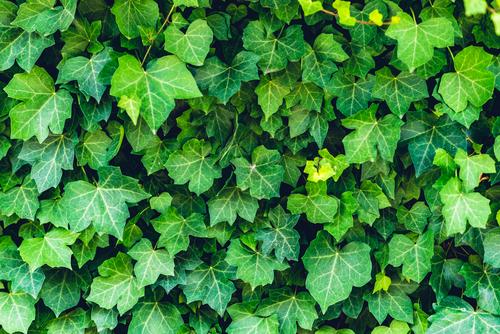
English ivy is such a charming plant with its elegant, deeply lobed leaves in a rich forest green. The foliage is evergreen, which means you’ll have that gorgeous coverage year-round—even when snow is piling up outside your window in February. The leaves are typically about two to four inches across and have that distinctive heart-shaped or ivy-shaped appearance that’s instantly recognizable. As the vine matures, you might notice it develops a more adult form with unlobed leaves and tiny greenish flowers followed by black berries, though many gardeners keep it pruned before it reaches that stage. It’s the kind of plant that just looks inherently sophisticated, no matter where you plant it.

Growing it in your garden

Here’s what I love about English ivy in our Connecticut climate: it’s incredibly adaptable. This vine thrives in both partial shade and full shade, which makes it perfect for those tricky spots where other plants just seem to sulk. It can handle full sun too, though it actually prefers some afternoon shade during our hot New England summers. The beauty of HEDERA HELIX is its flexibility—it’ll grow on walls, fences, arbors, or the ground, and it climbs using little aerial rootlets that grip onto almost anything. It prefers rich, well-draining soil but honestly, it’s not terribly fussy. What it does need is consistent moisture, especially during its first growing season. Once established, it’s quite drought-tolerant, though it appreciates regular watering during dry spells. It’s hardy here in Connecticut and will bounce back reliably year after year.

Through the seasons

One of my favorite things about English ivy is how it performs through all four of our New England seasons. Spring brings fresh new growth and that gorgeous lime-green flush of emerging leaves that’s just so hopeful and energetic. Summer is when it really fills in and establishes itself, creating dense, lush coverage that’s perfect for privacy or that cottage garden aesthetic. Fall is interesting because while many plants are putting on a show, English ivy quietly maintains its vibrant green—it’s actually a respite from all the autumn chaos. And winter? Well, that evergreen foliage is absolutely invaluable. When everything else is bare and brown, your English ivy is still there, still green, still looking beautiful against snow or frost. It’s like having a piece of living architecture year-round.

Where it shines

English ivy is at its absolute best when you’re trying to soften hardscapes or create instant visual interest on structures. Think about covering that chain-link fence you’ve been wanting to hide, or giving your mailbox post a charming green jacket. It’s wonderful on brick walls—and honestly, Connecticut has so many beautiful old brick buildings that ivy just seems meant for our state. Use it on arbors, pergolas, or as a groundcover in shady areas where grass refuses to grow. I’ve seen it cascade beautifully from containers too, if you want a more controlled situation. It’s particularly effective in creating privacy screens and windbreaks, and it adds such a timeless, established feeling to a garden.

Perfect companions

English ivy plays beautifully with shade-loving perennials like hostas, coral bells, and hellebores. If you’re using it as a groundcover, pair it with shade-tolerant plants like sweet woodruff or creeping phlox. On a fence or wall, you might underplant it with flowering shade plants like astilbe or brunnera for color while the ivy provides the green backbone. It also works wonderfully with other climbing vines like clematis, creating a layered, textured look that’s quite sophisticated.

Care tips

English ivy is genuinely low-maintenance, which is part of its charm. Once it’s established, you mostly just need to prune it to keep it from taking over your entire garden—and believe me, it’s enthusiastic about spreading! In early spring or late fall, cut back any growth that’s gotten too exuberant or is heading in the wrong direction. Watch for spider mites during dry spells indoors or in protected locations, though outdoor plants rarely have serious pest issues here in Connecticut. Fertilize lightly in spring if you want to encourage vigorous growth, or skip it if you’re happy with a slower pace. That’s really it—water during establishment and dry periods, prune to maintain shape, and enjoy.

Quick facts

  • Hardiness Zone: 4-9 (perfect for Connecticut!)
  • Mature Height & Spread: Can reach 50+ feet if unsupported; as a groundcover, stays 6-12 inches tall
  • Bloom Season: Late summer to fall (flowers are not showy)
  • Light Requirements: Partial shade to full shade (tolerates full sun)
  • Water Needs: Moderate; consistent moisture when establishing, drought-tolerant when mature
  • Available at: Both our retail and wholesale locations.

English Ivy

Category:

A very popular, easy to grow, self-clinging vine that is great for climbing walls, as a groundcover, or enhancing container plantings. Displays small green leaves. A classic vine for climbing walls, pillars, arbors and fences. Evergreen.

Zoning: 5-11

Description

English Ivy

Oh, English ivy! If you’re looking for a classic climbing vine that practically writes its own success story in a Connecticut garden, this is the one. I absolutely love recommending HEDERA HELIX to gardeners who want that romantic, timeless look—you know, the kind of lush green coverage that makes a plain fence or brick wall look like something out of a European garden magazine. It’s reliable, it’s beautiful, and honestly, it’s one of those plants that makes you feel like a gardening genius because it does so much of the heavy lifting for you.

What it looks like

English ivy is such a charming plant with its elegant, deeply lobed leaves in a rich forest green. The foliage is evergreen, which means you’ll have that gorgeous coverage year-round—even when snow is piling up outside your window in February. The leaves are typically about two to four inches across and have that distinctive heart-shaped or ivy-shaped appearance that’s instantly recognizable. As the vine matures, you might notice it develops a more adult form with unlobed leaves and tiny greenish flowers followed by black berries, though many gardeners keep it pruned before it reaches that stage. It’s the kind of plant that just looks inherently sophisticated, no matter where you plant it.

Growing it in your garden

Here’s what I love about English ivy in our Connecticut climate: it’s incredibly adaptable. This vine thrives in both partial shade and full shade, which makes it perfect for those tricky spots where other plants just seem to sulk. It can handle full sun too, though it actually prefers some afternoon shade during our hot New England summers. The beauty of HEDERA HELIX is its flexibility—it’ll grow on walls, fences, arbors, or the ground, and it climbs using little aerial rootlets that grip onto almost anything. It prefers rich, well-draining soil but honestly, it’s not terribly fussy. What it does need is consistent moisture, especially during its first growing season. Once established, it’s quite drought-tolerant, though it appreciates regular watering during dry spells. It’s hardy here in Connecticut and will bounce back reliably year after year.

Through the seasons

One of my favorite things about English ivy is how it performs through all four of our New England seasons. Spring brings fresh new growth and that gorgeous lime-green flush of emerging leaves that’s just so hopeful and energetic. Summer is when it really fills in and establishes itself, creating dense, lush coverage that’s perfect for privacy or that cottage garden aesthetic. Fall is interesting because while many plants are putting on a show, English ivy quietly maintains its vibrant green—it’s actually a respite from all the autumn chaos. And winter? Well, that evergreen foliage is absolutely invaluable. When everything else is bare and brown, your English ivy is still there, still green, still looking beautiful against snow or frost. It’s like having a piece of living architecture year-round.

Where it shines

English ivy is at its absolute best when you’re trying to soften hardscapes or create instant visual interest on structures. Think about covering that chain-link fence you’ve been wanting to hide, or giving your mailbox post a charming green jacket. It’s wonderful on brick walls—and honestly, Connecticut has so many beautiful old brick buildings that ivy just seems meant for our state. Use it on arbors, pergolas, or as a groundcover in shady areas where grass refuses to grow. I’ve seen it cascade beautifully from containers too, if you want a more controlled situation. It’s particularly effective in creating privacy screens and windbreaks, and it adds such a timeless, established feeling to a garden.

Perfect companions

English ivy plays beautifully with shade-loving perennials like hostas, coral bells, and hellebores. If you’re using it as a groundcover, pair it with shade-tolerant plants like sweet woodruff or creeping phlox. On a fence or wall, you might underplant it with flowering shade plants like astilbe or brunnera for color while the ivy provides the green backbone. It also works wonderfully with other climbing vines like clematis, creating a layered, textured look that’s quite sophisticated.

Care tips

English ivy is genuinely low-maintenance, which is part of its charm. Once it’s established, you mostly just need to prune it to keep it from taking over your entire garden—and believe me, it’s enthusiastic about spreading! In early spring or late fall, cut back any growth that’s gotten too exuberant or is heading in the wrong direction. Watch for spider mites during dry spells indoors or in protected locations, though outdoor plants rarely have serious pest issues here in Connecticut. Fertilize lightly in spring if you want to encourage vigorous growth, or skip it if you’re happy with a slower pace. That’s really it—water during establishment and dry periods, prune to maintain shape, and enjoy.

Quick facts

  • Hardiness Zone: 4-9 (perfect for Connecticut!)
  • Mature Height & Spread: Can reach 50+ feet if unsupported; as a groundcover, stays 6-12 inches tall
  • Bloom Season: Late summer to fall (flowers are not showy)
  • Light Requirements: Partial shade to full shade (tolerates full sun)
  • Water Needs: Moderate; consistent moisture when establishing, drought-tolerant when mature
  • Available at: Both our retail and wholesale locations.