Description

ILEX GLABRA ‘COMPACTA’
If you’ve been searching for an inkberry holly that doesn’t take over your entire garden, ILEX GLABRA ‘COMPACTA’ is the answer you’ve been waiting for. This is a plant that respects boundaries—literally. It grows slowly and stays neatly compact, making it perfect for Connecticut gardeners who want structure without sprawl. Unlike its larger cousins, Compacta delivers all the evergreen backbone you need for a winter garden without requiring constant pruning to keep it in check. It’s the reliable workhorse that shows up, does its job beautifully, and doesn’t demand center stage.
What it looks like
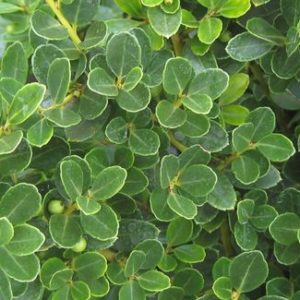
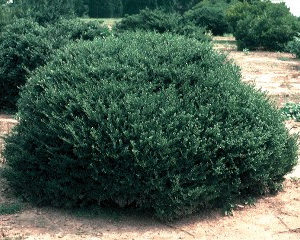
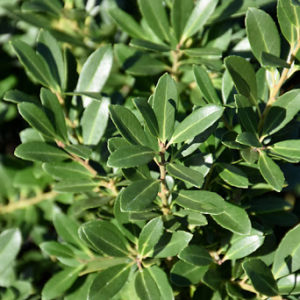
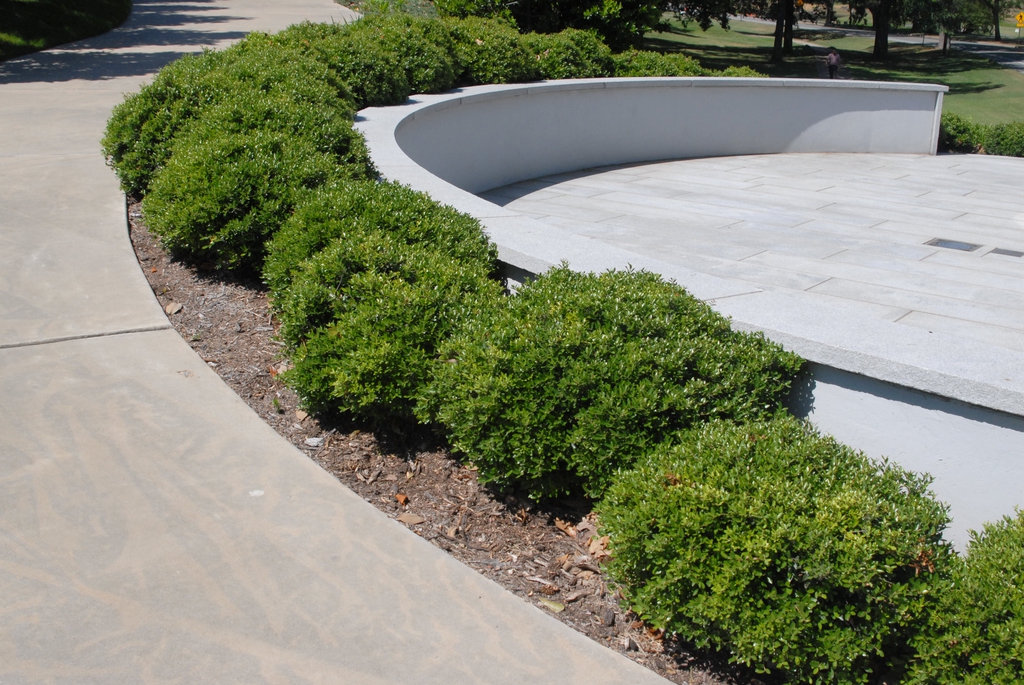
Compacta is an exercise in elegance through understatement. This dwarf inkberry holly grows into a tight, mounded form with fine-textured, glossy deep green foliage that stays vibrant even through New England’s harshest winters. The leaves are smaller and more delicate than many hollies, giving the plant an almost feathery appearance up close. In late spring, tiny greenish-white flowers appear—nothing showy, but they’re lovely in their subtlety. If you have a female plant and a male pollinator nearby, late summer brings small black berries that persist through fall, adding another layer of winter interest. The dark berries against evergreen leaves create that crisp, clean aesthetic that makes winter gardens feel intentional rather than dormant.
Growing it in your garden
Compacta is remarkably unfussy about where you plant it in Connecticut. It thrives in full sun to partial shade, though it’ll be densest and most vigorous with at least a few hours of direct light. The real magic happens in the soil department—this plant absolutely loves moisture and actually prefers slightly acidic conditions. If you’ve got boggy spots in your yard that are challenging other plants, Compacta will thank you. That said, it adapts well to average garden soil too, as long as you give it consistent moisture during its first season while roots establish. Once settled in, it’s quite drought-tolerant, though it’ll look its absolute best if you don’t let it dry out completely in summer.
Through the seasons
Spring brings fresh, tender growth that gradually hardens into that lustrous deep green we love. Early summer’s delicate flowers might go unnoticed by passersby, but they’re there, and they’re important for future berry production. By midsummer, Compacta settles into its role as a steadfast architectural element—the kind of plant that holds the garden together when everything else is sprawling and chaotic. Fall doesn’t dramatically change Compacta’s appearance, which is precisely the point. Unlike deciduous shrubs, this evergreen keeps working through autumn, providing structure and color when much else is fading. Winter is when Compacta really shines. While other plants disappear, Compacta maintains its form, its glossy foliage sometimes rimmed with frost, looking sophisticated rather than dormant.
Where it shines
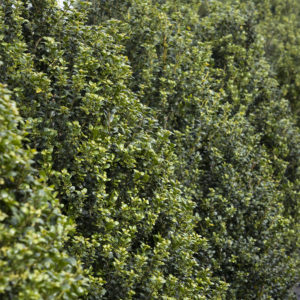
Think of Compacta as the foundation plant that makes everything else look better. It’s perfect for foundation plantings where you need something that won’t outgrow the space. Use it in hedgerow situations—it’s tight enough to work where you can’t accommodate spreading shrubs. It’s an excellent choice for containers, especially in mixed plantings where you want a reliable evergreen backbone. Compacta works beautifully in shade gardens, in woodland edges, and in those tricky spots where conditions are too wet for most shrubs. It’s also ideal for rain gardens and bioswales, where it can handle moisture while adding structure. And if you’re designing a winter garden specifically—perhaps around a seating area or near your front door—Compacta provides the kind of reliable greenery that makes even February feel intentional.
Perfect companions
Pair Compacta with other shade-tolerant companions like ferns, hellebores, and ILEX VERTICILLATA (winterberry) for a garden that looks polished year-round. It works beautifully alongside CLETHRA ALNIFOLIA (sweet pepperbush), especially in moist soil situations. For structure and contrast, team it with lighter-foliaged plants like Japanese forest grass or variegated hostas. In sunnier spots, combine it with native sedges, black-eyed Susans, and other perennials that appreciate moisture. Its fine texture contrasts beautifully with bolder-leaved plants like oakleaf hydrangea.
Care tips
Compacta is genuinely low-maintenance. Once established, it rarely needs pruning—one of its greatest gifts. If you do want to shape it, do light pruning in early spring. Water regularly during the first growing season to establish deep roots. In Connecticut’s typically adequate rainfall, established plants rarely need supplemental watering except during extended dry spells. A thin layer of mulch keeps the soil cool and moist, but keep mulch back a few inches from the stem. No fertilizer needed if your soil is reasonable; these plants are not heavy feeders.
Quick facts
- Hardiness Zone: 4–9
- Mature Height & Spread: 3–4 feet tall and wide
- Bloom Season: Late spring (inconspicuous flowers)
- Light Requirements: Full sun to partial shade
- Water Needs: Moderate to moist; very tolerant of wet conditions
- Available at: Both our retail and wholesale locations