Green Lustre Holly

ILEX X MESERVEAE ‘GREEN LUSTRE’

Holly is having a moment, and honestly, it deserves one. While many gardeners still think of hollies as stiff, formal sentries reserved for holiday decorations, the Green Lustre Holly is here to prove that assumption wonderfully wrong. This hybrid holly brings together the best traits of its parents—disease resistance, lustrous foliage, and genuine garden presence—without the fussiness. If you’ve admired the deep green shimmer of a healthy holly but worried it might be temperamental in Connecticut’s variable climate, this cultivar was practically bred with New England gardens in mind.

What it looks like

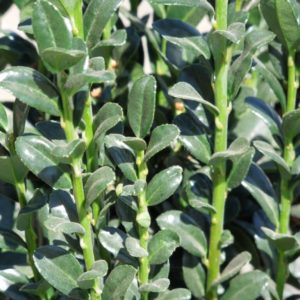
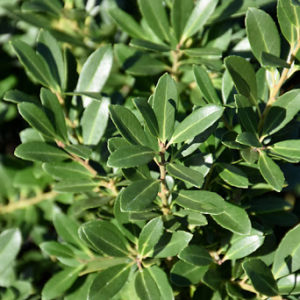
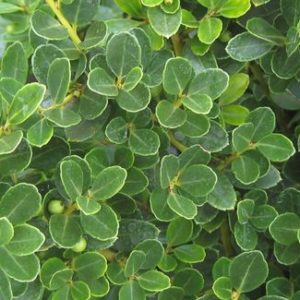
The name says it all: those leaves genuinely gleam. Green Lustre Holly develops a dense, pyramidal form clothed in small, glossy, dark green leaves with that characteristic holly spine. The foliage maintains its lustrous appearance year-round, never dulling or bronzing even through our harshest winters. Female plants produce small bright red berries that persist well into winter, adding seasonal interest and feeding hungry birds when other food sources dwindle. The overall effect is both sophisticated and naturalistic—structured enough to anchor a garden design, but alive and textured enough to feel genuinely part of the landscape.

Growing it in your garden

Here’s what makes Green Lustre Holly so appealing to Connecticut gardeners: it’s tough without being demanding. It handles our winter cold without complaint, thrives in average soil, and adapts to both sun and partial shade conditions. Unlike some hollies that sulk in our climate, this hybrid was developed specifically to withstand the temperature fluctuations and humidity challenges of northeastern gardens. Plant it in spring or early fall in soil that drains reasonably well—hollies don’t appreciate constantly soggy feet, but they’re not drought-dependent either. Full sun produces the most vibrant foliage color and the heaviest berry set, though it performs respectably in dappled shade, especially afternoon shade in our warmest summers.

Through the seasons

Spring brings fresh new growth with that characteristic glossy appearance. By early summer, the plant settles into its role as a year-round evergreen asset. If you have a female plant and a compatible male holly nearby (or if you plant both), small greenish-white flowers appear in May and June—inconspicuous but essential for berry production. Late summer through winter is when Green Lustre Holly truly shines: that persistent red fruit against the dark foliage creates a striking winter garden focal point. The evergreen structure means your garden never loses its framework, even in January when so much else has disappeared.

Where it shines

This holly is a versatile problem-solver. Use it as a specimen plant where you want year-round visual interest. Plant it as a screen or hedge—the dense growth habit naturally creates privacy while looking infinitely more refined than a fence. Tuck it into foundation plantings where it’ll eventually add substantial height and structure without requiring constant pruning. It’s equally at home in a cottage garden mixed border or a more formal landscape scheme. In smaller Connecticut gardens where space is precious, Green Lustre Holly’s relatively moderate size means you can include it without it eventually overwhelming its neighbors.

Perfect companions

Green Lustre Holly’s dark evergreen foliage provides a stunning backdrop for lighter-colored plants. Pair it with white-flowering shrubs like CLETHRA ALNIFOLIA for summer interest, or plant it behind ornamental grasses that light up in autumn. Broadleaf evergreens like BOXWOOD or LEUCOTHOE create textural contrast. In winter gardens, it looks magnificent with white-berried plants like winterberry holly or with the papery seed heads of ornamental grasses. For underplanting, try shade-tolerant spring bulbs or woodland-edge perennials.

Care tips

Water regularly during the first year while the root system establishes itself. Once settled, Green Lustre Holly is quite drought-tolerant, though it appreciates occasional watering during extended dry spells. Pruning is optional—the plant naturally develops an attractive shape—but you can remove wayward branches or shape it in late winter if needed. Avoid pruning in late summer, as this stimulates tender new growth that cold weather can damage. In Connecticut’s occasionally humid springs, watch for leaf spot diseases, though Green Lustre’s hybrid vigor provides good disease resistance. If issues appear, ensure good air circulation and avoid overhead watering.

Quick facts

  • Hardiness Zone: 5b-9
  • Mature Height & Spread: 15-20 feet tall, 8-10 feet wide (can be maintained smaller with pruning)
  • Bloom Season: May-June (inconspicuous flowers; female plants produce red berries persisting through winter)
  • Light Requirements: Full sun to part shade
  • Water Needs: Moderate; prefers well-draining soil, drought-tolerant when established
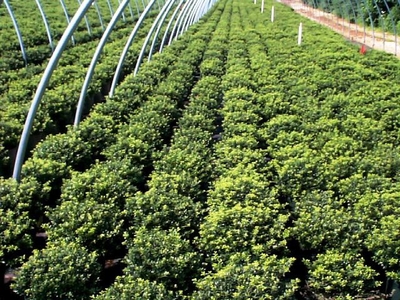
  • Available at: Both our retail and wholesale locations
Green Lustre Holly

Category:

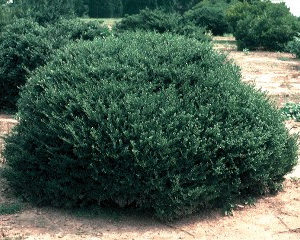
A handsome, low growing shrub producing dark green, glossy oval foliage; dense and mounding with a wider spread; hardier than many of the species; inconspicuous flowers followed by black fruit in winter; great foundation plant or hedge

Pot Size (gallons), Height: #3 #7

Description

Green Lustre Holly

ILEX X MESERVEAE ‘GREEN LUSTRE’

Holly is having a moment, and honestly, it deserves one. While many gardeners still think of hollies as stiff, formal sentries reserved for holiday decorations, the Green Lustre Holly is here to prove that assumption wonderfully wrong. This hybrid holly brings together the best traits of its parents—disease resistance, lustrous foliage, and genuine garden presence—without the fussiness. If you’ve admired the deep green shimmer of a healthy holly but worried it might be temperamental in Connecticut’s variable climate, this cultivar was practically bred with New England gardens in mind.

What it looks like

The name says it all: those leaves genuinely gleam. Green Lustre Holly develops a dense, pyramidal form clothed in small, glossy, dark green leaves with that characteristic holly spine. The foliage maintains its lustrous appearance year-round, never dulling or bronzing even through our harshest winters. Female plants produce small bright red berries that persist well into winter, adding seasonal interest and feeding hungry birds when other food sources dwindle. The overall effect is both sophisticated and naturalistic—structured enough to anchor a garden design, but alive and textured enough to feel genuinely part of the landscape.

Growing it in your garden

Here’s what makes Green Lustre Holly so appealing to Connecticut gardeners: it’s tough without being demanding. It handles our winter cold without complaint, thrives in average soil, and adapts to both sun and partial shade conditions. Unlike some hollies that sulk in our climate, this hybrid was developed specifically to withstand the temperature fluctuations and humidity challenges of northeastern gardens. Plant it in spring or early fall in soil that drains reasonably well—hollies don’t appreciate constantly soggy feet, but they’re not drought-dependent either. Full sun produces the most vibrant foliage color and the heaviest berry set, though it performs respectably in dappled shade, especially afternoon shade in our warmest summers.

Through the seasons

Spring brings fresh new growth with that characteristic glossy appearance. By early summer, the plant settles into its role as a year-round evergreen asset. If you have a female plant and a compatible male holly nearby (or if you plant both), small greenish-white flowers appear in May and June—inconspicuous but essential for berry production. Late summer through winter is when Green Lustre Holly truly shines: that persistent red fruit against the dark foliage creates a striking winter garden focal point. The evergreen structure means your garden never loses its framework, even in January when so much else has disappeared.

Where it shines

This holly is a versatile problem-solver. Use it as a specimen plant where you want year-round visual interest. Plant it as a screen or hedge—the dense growth habit naturally creates privacy while looking infinitely more refined than a fence. Tuck it into foundation plantings where it’ll eventually add substantial height and structure without requiring constant pruning. It’s equally at home in a cottage garden mixed border or a more formal landscape scheme. In smaller Connecticut gardens where space is precious, Green Lustre Holly’s relatively moderate size means you can include it without it eventually overwhelming its neighbors.

Perfect companions

Green Lustre Holly’s dark evergreen foliage provides a stunning backdrop for lighter-colored plants. Pair it with white-flowering shrubs like CLETHRA ALNIFOLIA for summer interest, or plant it behind ornamental grasses that light up in autumn. Broadleaf evergreens like BOXWOOD or LEUCOTHOE create textural contrast. In winter gardens, it looks magnificent with white-berried plants like winterberry holly or with the papery seed heads of ornamental grasses. For underplanting, try shade-tolerant spring bulbs or woodland-edge perennials.

Care tips

Water regularly during the first year while the root system establishes itself. Once settled, Green Lustre Holly is quite drought-tolerant, though it appreciates occasional watering during extended dry spells. Pruning is optional—the plant naturally develops an attractive shape—but you can remove wayward branches or shape it in late winter if needed. Avoid pruning in late summer, as this stimulates tender new growth that cold weather can damage. In Connecticut’s occasionally humid springs, watch for leaf spot diseases, though Green Lustre’s hybrid vigor provides good disease resistance. If issues appear, ensure good air circulation and avoid overhead watering.

Quick facts

  • Hardiness Zone: 5b-9
  • Mature Height & Spread: 15-20 feet tall, 8-10 feet wide (can be maintained smaller with pruning)
  • Bloom Season: May-June (inconspicuous flowers; female plants produce red berries persisting through winter)
  • Light Requirements: Full sun to part shade
  • Water Needs: Moderate; prefers well-draining soil, drought-tolerant when established
  • Available at: Both our retail and wholesale locations