Description

PANICUM VIRGATUM ‘MORNING LIGHT’
What if your garden could capture the essence of dawn itself? PANICUM VIRGATUM ‘MORNING LIGHT’ does exactly that—a switchgrass variety that seems to glow from within, especially when the first rays of sunlight catch its delicate, variegated foliage. There’s something almost ethereal about how the cream and green striped leaves shimmer in early morning light, which is exactly how this cultivar earned its poetic name. If you’ve been looking for an ornamental grass that brings movement, texture, and genuine luminosity to your Connecticut garden, this is the one.
What it looks like
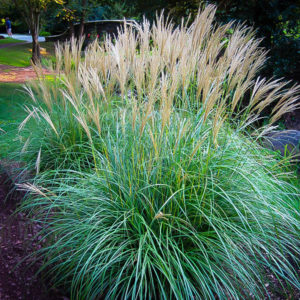
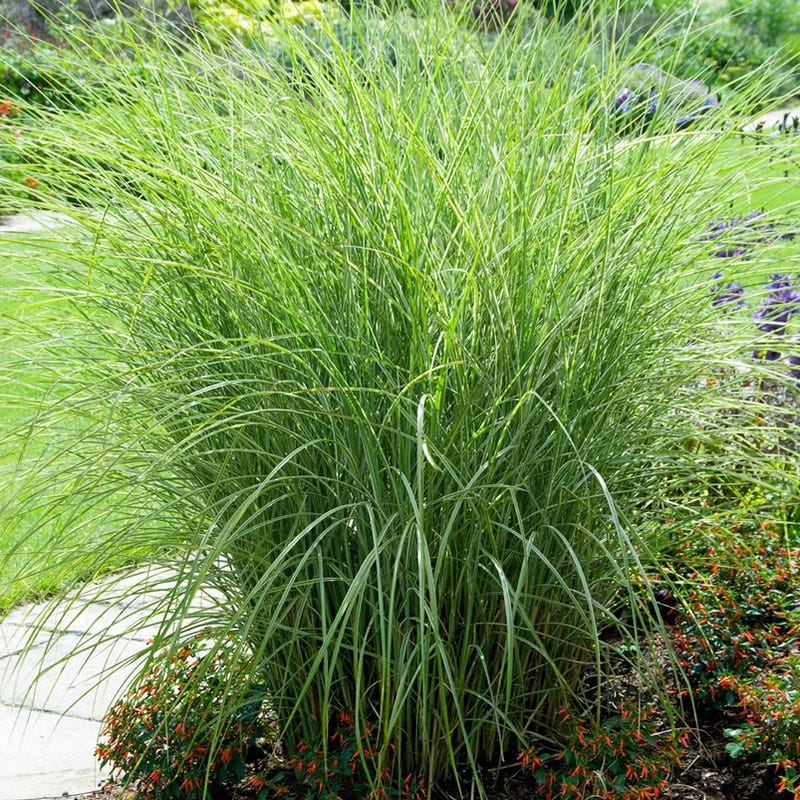
MORNING LIGHT is a deciduous, clumping grass that grows in a neat, upright mound of slender, elongated blades. The foliage is its star feature—each blade is striped with creamy white margins on a soft green center, creating a finely variegated appearance that’s far more refined than you might expect from a grass. In summer, delicate purple-tinged flower panicles rise above the foliage on airy stems, adding another layer of visual interest. Come autumn, the entire plant shifts to warm tones of burgundy and gold before fading to tan for winter. The overall effect is delicate and architectural at once—it’s the kind of plant that makes you pause and really look at it.
Growing it in your garden
MORNING LIGHT thrives in full sun and well-draining soil, which means it’s ideal for Connecticut gardens where summer humidity can be challenging. The plant is remarkably adaptable—it handles poor, sandy, or even clayey soils without complaint. Unlike some ornamental grasses that sprawl and flop in humid climates, this switchgrass variety maintains its upright habit beautifully throughout the growing season. It’s not fussy about soil fertility, which is wonderful if you’re looking for a low-maintenance addition. Just give it space to spread—it needs room to develop its full, graceful form. Plant it in spring for best establishment, allowing the root system to develop through the warm months ahead.
Through the seasons
Spring brings the emergence of fresh new shoots, as the plant awakens from winter dormancy. The new growth is especially vibrant, with that cream striping appearing particularly luminous against the darker mulch of the garden bed. By early summer, MORNING LIGHT has filled out into its full mound shape, and the flower panicles begin to emerge—tiny, delicate structures that add height and movement without overwhelming the airy aesthetic. Summer is when those morning light moments truly shine; the backlighting effect is almost magical. As fall progresses, the variegation becomes less pronounced as the plant transitions into warmer burgundy and russet tones. Winter shows off its dried tan structure—ornamental grasses are often the stars of the winter garden, and MORNING LIGHT is no exception. Leave the dried foliage in place until late winter or early spring; it provides winter interest and shelter for beneficial insects.
Where it shines
This grass is perfect for modern, naturalistic garden designs where texture and movement matter. Plant it in drifts along garden edges, where the morning light can backlight the foliage. It’s stunning in rain gardens and areas with seasonal moisture fluctuations—surprisingly, switchgrass can handle both wet springs and dry summers. Use it as a specimen in containers near a patio where you’ll appreciate the glow factor up close. MORNING LIGHT is also excellent for erosion control on banks and slopes, thanks to its fibrous root system. In a mixed perennial border, it provides an airy foil to bolder, heavier plants like COREOPSIS or purple coneflower.
Perfect companions
Pair MORNING LIGHT with late-blooming perennials like autumn asters and ornamental sedums for a composed late-season look. Deep purple salvia creates stunning color contrast against the variegated foliage. Black-eyed Susan (RUDBECKIA) and HELIOPSIS play beautifully alongside it, their bright yellows complemented by the cream striping. Ornamental onions add another texture layer, and Russian sage contributes an ethereal quality that matches MORNING LIGHT’s delicate nature. Even dark-foliaged plants like coral bells (HEUCHERA) create dramatic visual contrast.
Care tips
MORNING LIGHT is genuinely low-maintenance once established. Water regularly the first season to develop a deep root system, but mature plants are quite drought-tolerant. In early spring—late March or early April in Connecticut—cut back the dried foliage close to the ground before new growth emerges. Don’t be nervous about cutting; the plant comes back more vigorous each year. The plant rarely needs division, but if the center begins to decline after many years, you can divide it in early spring. No fertilizer is necessary, and pests and diseases rarely bother switchgrass. It’s simply one of those plants that asks for water the first year, friendship the second, and nothing much after that.
Quick facts
- Hardiness Zone: Zones 3-9 (excellent choice for Connecticut’s Zones 6-7)
- Mature Height & Spread: 3-4 feet tall, 2-3 feet wide at maturity
- Bloom Season: Late summer through fall
- Light Requirements: Full sun (6+ hours daily)
- Water Needs: Moderate; drought-tolerant once established, adaptable to wet seasons
- Available at: Both our retail and wholesale locations