
Description

BUXUS MICROPHYLLA ‘TIDE HILL’
If you’ve been searching for a boxwood that actually thrives in Connecticut’s unpredictable climate—one that won’t abandon you during a brutal winter or struggle through summer humidity—Tide Hill might be exactly what your garden has been waiting for. This is a boxwood bred specifically for toughness, selected from plants that proved themselves hardy and resilient in New England trials. It’s the kind of plant you can count on, year after year.
What it looks like
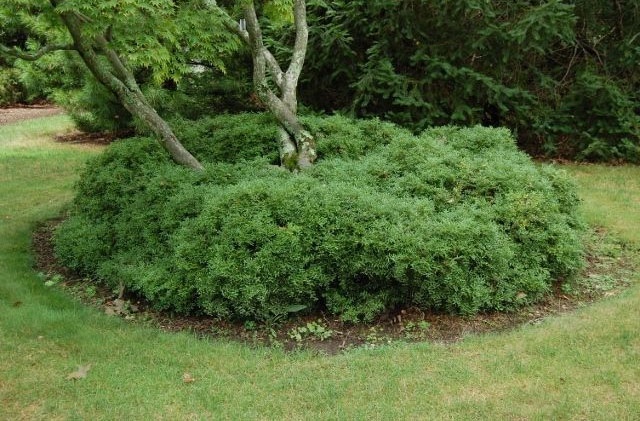
Tide Hill is a compact evergreen shrub with that classic boxwood character: dense, fine-textured, and deeply satisfying to look at. The foliage is a rich, true green that doesn’t fade into that tired olive tone some boxwoods develop. The leaves are small and tightly packed, creating a smooth, almost velvety appearance whether you’re shaping it into a formal hedge or letting it grow into its naturally mounded form. It’s a plant that looks intentional and polished without demanding that you become a topiary artist.
Growing it in your garden
Here’s where Tide Hill really earns its reputation. This variety handles Connecticut’s winters without the winter bronzing that plagues less hardy boxwoods. It’s also more resistant to boxwood blight, a disease that has devastated many landscapes across New England in recent years. Plant it in well-draining soil—boxwoods don’t appreciate soggy roots—and give it afternoon shade in hot summers if you’re in the warmer parts of Connecticut. Morning sun and dappled afternoon light is the sweet spot. Unlike some fussier boxwoods, Tide Hill won’t demand constant coddling or fret about exposure.
Through the seasons
Spring brings fresh growth with that bright, vital energy only new foliage can provide. Summer sees the plant maintaining its impeccable appearance without significant color shifts, a real advantage over selections that fade or bronze in heat. Fall and winter are where Tide Hill truly shines—while other boxwoods turn that unfortunate reddish-brown, this variety stays true green, giving your garden structure and elegance through the darkest months. You can count on it looking refined even when everything else has retreated underground.
Where it shines
Tide Hill is equally at home in formal gardens as it is in contemporary landscapes. Use it to frame entryways, anchor foundation plantings, or create low hedges that define garden rooms without overwhelming the space. It works beautifully in mixed borders where you need something evergreen and architectural, alongside perennials that come and go. In Connecticut gardens, it’s particularly valuable as an edging plant for beds, a living boundary line that remains as crisp in January as it was in June. Container growing is also successful, making Tide Hill a smart choice for entryways and patios where you want year-round interest.
Perfect companions
Pair Tide Hill with shade-tolerant perennials like hostas, heucheras, and hellebores for a sophisticated understory feel. Spring bulbs—especially small tulips and crocus—look elegant emerging between plantings. For a more contemporary look, combine it with ornamental grasses like CAREX oshimensis ‘Evergold’ for textural contrast. In formal gardens, underplant with BUXUS ‘Winter Gem’ for a layered hedge effect, or add shade plants like EUONYMUS fortunei for foliage color variation.
Care tips
Plant Tide Hill in spring or early fall, giving it time to establish before winter stress. While it’s drought-tolerant once established, water regularly during its first growing season and during any extended dry spells—boxwoods are shallow-rooted and appreciate consistent moisture without waterlogging. Prune in spring after the last hard frost, removing any winter-damaged branches. If you’re shaping it, light pruning in early summer will keep it looking tidy without stressing the plant. Fertilize modestly in spring with a balanced, slow-release formula. Most importantly: plant it somewhere you can see it, because Tide Hill is a plant worth admiring.
Quick facts
- Hardiness Zone: 5-9 (reliably hardy throughout Connecticut)
- Mature Height & Spread: 2-3 feet tall and wide
- Bloom Season: Insignificant flowers; valued for foliage
- Light Requirements: Partial shade to full sun
- Water Needs: Moderate; prefers consistently moist, well-draining soil
- Available at: Both our retail and wholesale locations