Norway Spruce

PICEA ABIES

The Norway Spruce is the evergreen workhorse of New England gardens—dependable, classically beautiful, and absolutely unflappable in Connecticut winters. This is the tree that inspired fairy tales, that stands tall in town centers, and that brings that instantly recognizable dark green elegance to any landscape. If you want a conifer with serious presence and zero drama, you’ve found it.

What it looks like

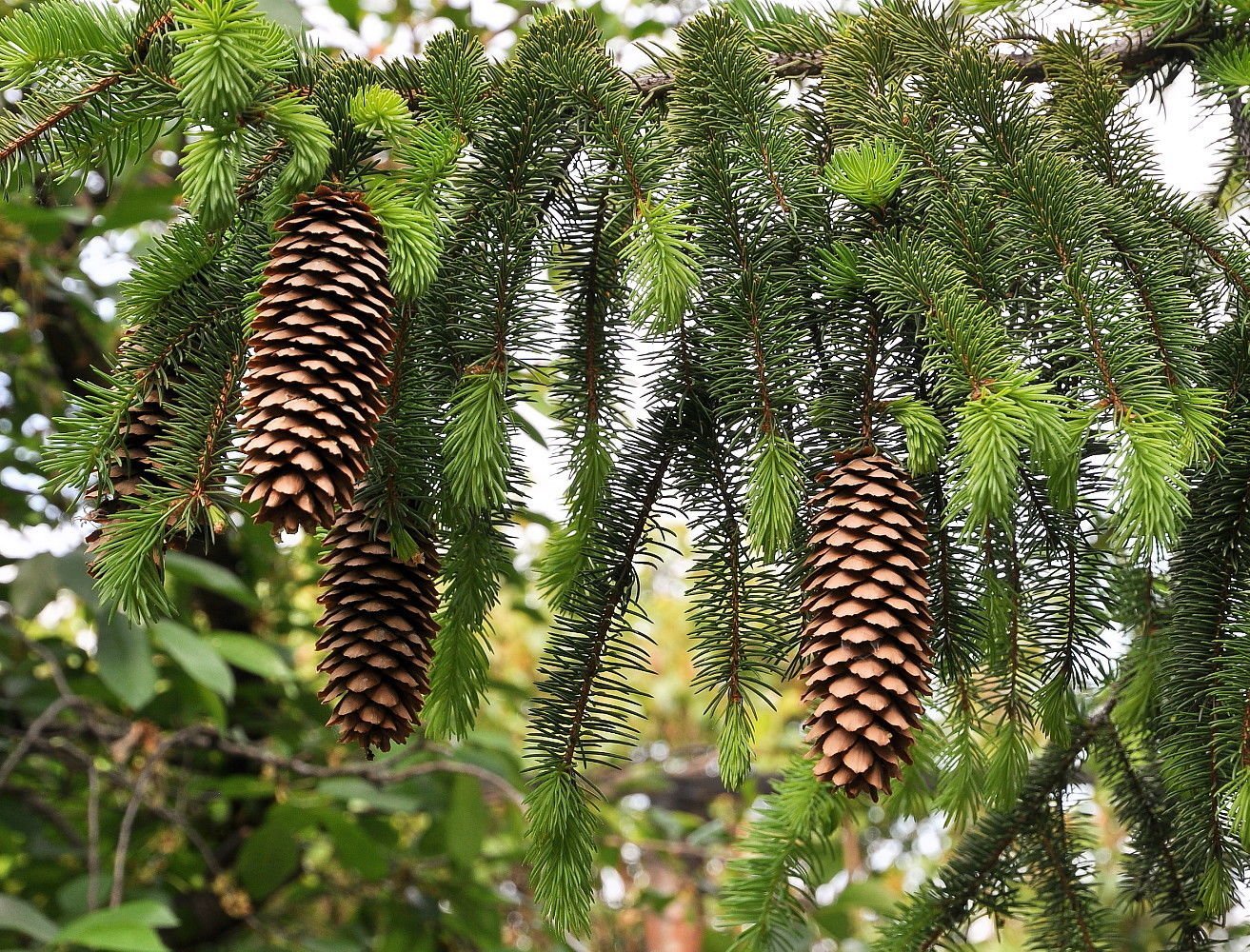
Imagine a perfectly symmetrical Christmas tree, and you’ve got the general picture. Norway Spruce grows in a dense, pyramidal form with graceful, slightly drooping branch tips that give it an almost weeping quality in maturity. The needles are short, dark green, and densely packed along the branches, creating that full, lush appearance that makes people stop and stare. The bark is reddish-brown and becomes deeply fissured with age, adding textural interest even in winter when most things have gone dormant. Growth is reliably upright and uniform—this is a tree that looks good without requiring you to fuss over its shape.

Growing it in your garden

Norway Spruce is remarkably adaptable, which is exactly why it’s been a fixture in New England landscapes for generations. Plant it in full sun to partial shade—it’ll perform beautifully in either condition, though full sun brings out the richest color. It prefers well-draining soil but is far more forgiving than many conifers when it comes to soil type. Unlike some finicky evergreens, PICEA ABIES handles clay, loam, and sandy soils with equal grace. This is a tree that settles in and gets to work without asking for special treatment. Once established, it’s incredibly cold-hardy and wind-tolerant, which matters when you’re gardening in Connecticut.

Through the seasons

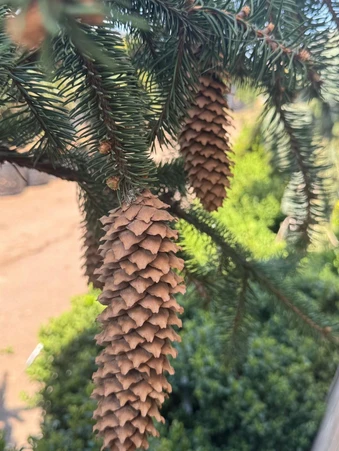
Year-round structure is what Norway Spruce delivers. In spring, new growth emerges in a slightly softer, fresher green that brightens the whole tree before settling into its classic deep color. Summer finds it at full glory—a dense, imposing presence in the garden. Fall and winter are where this tree truly shines; while deciduous trees drop their leaves, Norway Spruce remains steadfastly ornamental, providing essential vertical interest and dark, grounding color when the rest of the landscape has faded. And if you’re sentimental about it, those small, pendulous cones that develop add just enough texture to keep things interesting.

Where it shines

Use Norway Spruce as a windbreak along property lines—its dense branching will filter wind beautifully while creating privacy. It’s stunning as a tall focal point in large landscapes, serving as an anchor that pulls the eye upward. This is also the tree to plant if you want that classic New England aesthetic: think stately homes with towering evergreens creating a sense of permanence and tradition. Smaller varieties work in more modest spaces, but even full-sized trees deserve consideration on larger properties where they can reach their 40-to-60-foot potential without being crowded. It works as a specimen tree or planted in groups for dramatic effect.

Perfect companions

Pair Norway Spruce with other winter-interest plants to extend the visual story. Underplant with shade-tolerant hostas or ferns that appreciate the dappled light it provides. Combine it with deciduous trees like birches or maples that offer seasonal color contrast. Evergreen shrubs like boxwood or bearberry look crisp and clean when planted at its base. And if you’re creating a holiday-inspired landscape, pairing it with American Arborvitae and Eastern Red Cedar (actually a juniper) creates a sophisticated conifer composition that’s never out of style.

Care tips

Norway Spruce is genuinely low-maintenance once established. Water regularly during the first year as it settles in, especially during Connecticut’s dry summers. After that, it’s quite self-sufficient, though consistent moisture during extended droughts keeps it looking its absolute best. No pruning is necessary unless you want to shape it early on—this is a tree that knows exactly what to do on its own. Watch for spider mites in very hot, dry conditions, which can occasionally be an issue in Connecticut; a forceful spray of water usually handles it. Otherwise, sit back and let this tree do what it’s been doing for centuries: provide reliable, beautiful evergreen presence.

Quick facts

  • Hardiness Zone: 2-7 (thrives throughout Connecticut)
  • Mature Height & Spread: 40-60 feet tall, 25-30 feet wide (dwarf varieties available for smaller spaces)
  • Bloom Season: Non-flowering; ornamental cones develop in late summer
  • Light Requirements: Full sun to partial shade
  • Water Needs: Moderate; prefers consistent moisture but tolerates drier conditions once established
  • Available at: Both our retail and wholesale locations
Norway Spruce

Category:

A rapid grower ideal for screening or as a specimen with dark green foliage on descending branches.

Zoning: 2-8
Mature Height and Spread: 80-98’ & 25-50’

Description

Norway Spruce

PICEA ABIES

The Norway Spruce is the evergreen workhorse of New England gardens—dependable, classically beautiful, and absolutely unflappable in Connecticut winters. This is the tree that inspired fairy tales, that stands tall in town centers, and that brings that instantly recognizable dark green elegance to any landscape. If you want a conifer with serious presence and zero drama, you’ve found it.

What it looks like

Imagine a perfectly symmetrical Christmas tree, and you’ve got the general picture. Norway Spruce grows in a dense, pyramidal form with graceful, slightly drooping branch tips that give it an almost weeping quality in maturity. The needles are short, dark green, and densely packed along the branches, creating that full, lush appearance that makes people stop and stare. The bark is reddish-brown and becomes deeply fissured with age, adding textural interest even in winter when most things have gone dormant. Growth is reliably upright and uniform—this is a tree that looks good without requiring you to fuss over its shape.

Growing it in your garden

Norway Spruce is remarkably adaptable, which is exactly why it’s been a fixture in New England landscapes for generations. Plant it in full sun to partial shade—it’ll perform beautifully in either condition, though full sun brings out the richest color. It prefers well-draining soil but is far more forgiving than many conifers when it comes to soil type. Unlike some finicky evergreens, PICEA ABIES handles clay, loam, and sandy soils with equal grace. This is a tree that settles in and gets to work without asking for special treatment. Once established, it’s incredibly cold-hardy and wind-tolerant, which matters when you’re gardening in Connecticut.

Through the seasons

Year-round structure is what Norway Spruce delivers. In spring, new growth emerges in a slightly softer, fresher green that brightens the whole tree before settling into its classic deep color. Summer finds it at full glory—a dense, imposing presence in the garden. Fall and winter are where this tree truly shines; while deciduous trees drop their leaves, Norway Spruce remains steadfastly ornamental, providing essential vertical interest and dark, grounding color when the rest of the landscape has faded. And if you’re sentimental about it, those small, pendulous cones that develop add just enough texture to keep things interesting.

Where it shines

Use Norway Spruce as a windbreak along property lines—its dense branching will filter wind beautifully while creating privacy. It’s stunning as a tall focal point in large landscapes, serving as an anchor that pulls the eye upward. This is also the tree to plant if you want that classic New England aesthetic: think stately homes with towering evergreens creating a sense of permanence and tradition. Smaller varieties work in more modest spaces, but even full-sized trees deserve consideration on larger properties where they can reach their 40-to-60-foot potential without being crowded. It works as a specimen tree or planted in groups for dramatic effect.

Perfect companions

Pair Norway Spruce with other winter-interest plants to extend the visual story. Underplant with shade-tolerant hostas or ferns that appreciate the dappled light it provides. Combine it with deciduous trees like birches or maples that offer seasonal color contrast. Evergreen shrubs like boxwood or bearberry look crisp and clean when planted at its base. And if you’re creating a holiday-inspired landscape, pairing it with American Arborvitae and Eastern Red Cedar (actually a juniper) creates a sophisticated conifer composition that’s never out of style.

Care tips

Norway Spruce is genuinely low-maintenance once established. Water regularly during the first year as it settles in, especially during Connecticut’s dry summers. After that, it’s quite self-sufficient, though consistent moisture during extended droughts keeps it looking its absolute best. No pruning is necessary unless you want to shape it early on—this is a tree that knows exactly what to do on its own. Watch for spider mites in very hot, dry conditions, which can occasionally be an issue in Connecticut; a forceful spray of water usually handles it. Otherwise, sit back and let this tree do what it’s been doing for centuries: provide reliable, beautiful evergreen presence.

Quick facts

  • Hardiness Zone: 2-7 (thrives throughout Connecticut)
  • Mature Height & Spread: 40-60 feet tall, 25-30 feet wide (dwarf varieties available for smaller spaces)
  • Bloom Season: Non-flowering; ornamental cones develop in late summer
  • Light Requirements: Full sun to partial shade
  • Water Needs: Moderate; prefers consistent moisture but tolerates drier conditions once established
  • Available at: Both our retail and wholesale locations