Description
PICEA ABIES ‘NIDIFORMIS’
Imagine a dwarf conifer that actually earns its place in your garden year-round—not just as a winter curiosity, but as a genuinely beautiful, sculptural presence that makes neighbors stop and ask what it is. That’s the Bird’s Nest Spruce. This charming cultivar of the Norway Spruce grows into a dense, spreading mound with a distinctive shallow depression in its center (hence the “nest” comparison), creating a living piece of garden architecture that’s equal parts whimsy and sophistication. It’s the kind of plant that turns heads in all four seasons and asks almost nothing in return.
What it looks like
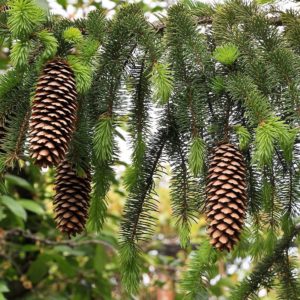
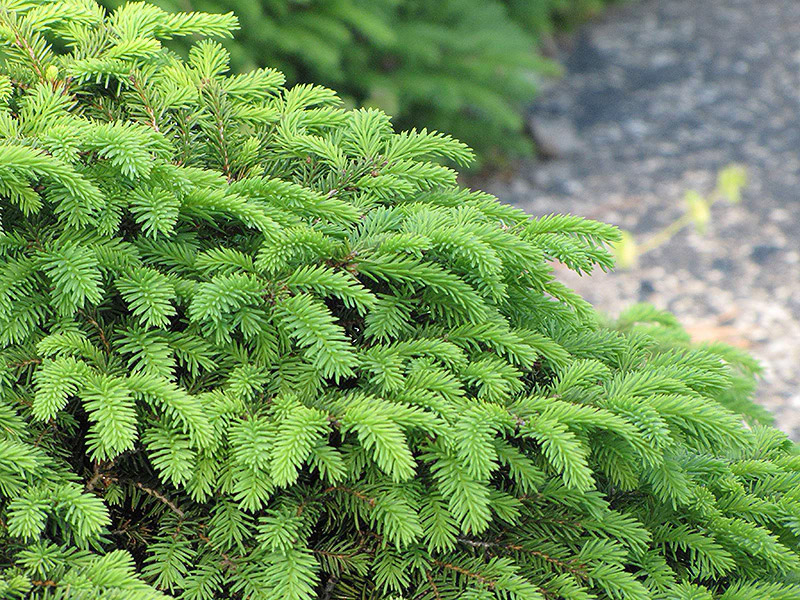
The Bird’s Nest Spruce is a study in elegant restraint. It grows slowly and deliberately into a broad, flat-topped mound—usually wider than it is tall—with that signature shallow bowl-like depression at its center. The foliage is a soft, fresh green throughout the growing season, turning slightly deeper and sometimes taking on subtle bronze tones through harsh Connecticut winters. The needles are fine and feathery, giving the whole plant a remarkably soft appearance that belies its toughness. Unlike many conifers that can feel heavy or austere, this spruce has an almost tender quality, especially in spring when new growth emerges in the brightest chartreuse.
Growing it in your garden
Here’s what gardeners in the Northeast adore about the Bird’s Nest Spruce: it’s genuinely low-maintenance. It prefers full sun to partial shade and appreciates well-draining soil—think gravelly or sandy loam if you have it, but it’s adaptable enough to handle average garden conditions without complaint. What it won’t tolerate is soggy, waterlogged soil, so if your garden tends toward wet feet, amend with compost and perlite or choose a slightly elevated planting spot. The plant’s slow growth habit means you won’t spend years waiting for it to reach maturity, but you also won’t spend years pruning it into submission. Plant it, mulch it lightly, and let it be.
Through the seasons
Spring brings the greatest visual transformation—those bright green new shoots create a luminous quality that catches morning light beautifully. By summer, the Bird’s Nest Spruce settles into a composed, mounding presence that provides lovely visual weight and structure to garden beds. Fall and winter are when this plant truly shines. As temperatures drop, many specimens develop warmer, bronze-tinged overtones in their foliage that add unexpected warmth to the winter landscape. Unlike deciduous plants that leave bare branches, this spruce maintains its full, rounded form and soft texture even under snow and ice. It’s one of the plants that makes a New England winter garden feel intentional rather than barren.
Where it shines
The Bird’s Nest Spruce is phenomenally versatile. Use it as a focal point in a mixed border where you want year-round structure and interest. Its moderate size makes it perfect for rock gardens, container plantings, or even small urban gardens where space is at a premium. It works beautifully in foundation plantings where you want something more refined than the typical landscape conifer. Because of its low, spreading habit, it’s excellent for slope or hillside plantings where erosion control matters. In a woodland garden setting, it provides evergreen structure without the dark, imposing quality of larger conifers. Small residential gardens, cottage gardens, native plant gardens, Asian-inspired landscapes—the Bird’s Nest Spruce adapts gracefully to nearly every style.
Perfect companions
Pair your Bird’s Nest Spruce with shade-tolerant perennials like hellebores, epimediums, or carex grasses that echo its soft texture. Japanese maples create stunning contrast with their delicate branching and fine foliage. Deciduous shrubs like oakleaf hydrangea or ninebark provide visual interest and seasonal variation that complements the spruce’s steadfast presence. Low-growing sedums and sempervivums at its base create a living mulch while reinforcing the alpine, refined aesthetic. And don’t overlook other dwarf conifers—various junipers, false cypress, or dwarf pines can create an entire microlandscape when grouped thoughtfully.
Care tips
Water regularly during the first growing season to establish a strong root system, then transition to deep watering during dry spells. A light mulch (two to three inches of compost or bark) helps retain moisture and keeps roots cool, but keep mulch away from the central stem. Avoid pruning unless absolutely necessary—the Bird’s Nest Spruce maintains its lovely form naturally. If you must prune, do so very lightly and only in late winter or early spring. This plant doesn’t appreciate heavy pruning or shearing. Watch for spider mites during hot, dry summers; a quick spray of water often prevents infestations before they start. The slow growth habit means you won’t battle rapid expansion—the plant simply becomes more beautiful and more defined with age.
Quick facts
- Hardiness Zone: 3-8
- Mature Height & Spread: 3-5 feet tall × 5-8 feet wide
- Bloom Season: Evergreen; spring growth is most ornamental
- Light Requirements: Full sun to partial shade
- Water Needs: Moderate; prefers well-draining soil
- Available at: Both our retail and wholesale locations