Description
SPIRAEA X BUMALDA ‘ANTHONY WATERER’
If you’ve been searching for a shrub that actually earns its space in a Connecticut garden—one that delivers continuous color from June straight through fall, tolerates poor soil, laughs at dry spells, and never demands fussy pruning—well, here it is. SPIRAEA X BUMALDA ‘ANTHONY WATERER’ is the kind of plant that makes gardeners feel clever. It’s compact, generous, and reliably beautiful, year after year.
What it looks like
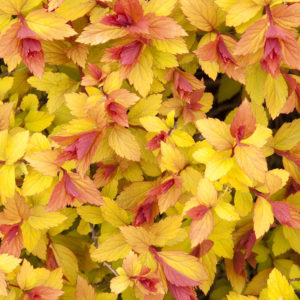
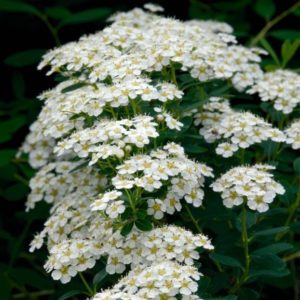
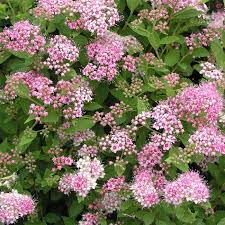
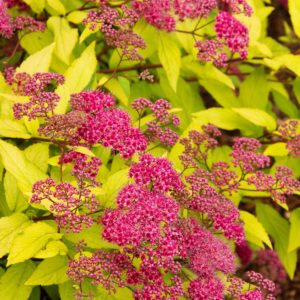
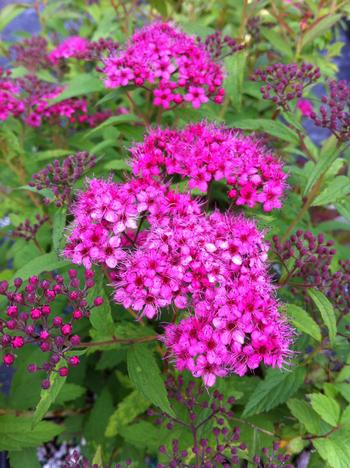
Anthony Waterer is a tidy, mounding shrub that grows about 3 feet tall and wide—the perfect size for foundations, borders, and mixed plantings where you need something substantial but not overwhelming. Its leaves are narrow and lance-shaped, with a distinctive bronze-tinged cast early in the season that softens to blue-green by midsummer. But the real showstopper is the flowers: dense, flat-topped clusters (called corymbs, if you’re curious) of deep rose-red blooms that practically glow in the garden. These flowers don’t fade to dull purple like some spireas do; they maintain their color beautifully throughout their long season.
Growing it in your garden
This spiraea is refreshingly unfussy. Plant it in full sun to part shade—it’ll perform beautifully in either, though it colors best with at least six hours of direct sun. The great news? It tolerates poor soil, sandy soil, even compacted soil. It’s not picky about pH either. Once established, Anthony Waterer is genuinely drought-tolerant, which makes it an excellent choice for Connecticut’s increasingly unpredictable summers. It doesn’t need coddling, doesn’t need special amendments, and doesn’t require afternoon hand-holding.
Through the seasons
Spring arrives with reddish new growth that hints at what’s coming. By early June, the first flowers appear—and they keep coming. This is a repeat bloomer, so if you deadhead spent flowers (or even just shear them off casually), you’ll trigger more blooms. Don’t deadhead at all, and you’ll still have flowers through August or early September. Fall brings no dramatic color show, but the foliage takes on russet tones that are quietly handsome. The stems remain an attractive reddish-brown through winter, providing gentle structure in the sleeping garden.
Where it shines
Anthony Waterer is perfect for foundation plantings, especially where you want color without height. It’s wonderful in mixed borders with ornamental grasses, blue conifers, and silver-foliaged plants—the rose-red flowers are stunning against blue-gray companions. Try it as a low hedge or informal screen. It’s also excellent in containers (which makes it versatile for patios and decks), and its compact habit means it works beautifully in smaller gardens where space is precious. In rain gardens or bioswales, its ability to handle both wet and dry spells makes it invaluable.
Perfect companions
Plant Anthony Waterer with blue-needled conifers like Dwarf Alberta Spruce for striking contrast. Pair it with ornamental grasses like Feather Reed Grass—their movement complements the spiraea’s solid form. Gray-foliaged plants like Artemisia or Russian Sage make wonderful neighbors, their silvery tones amplifying the rose-red flowers. In spring, undergird it with white or purple creeping phlox. For summer interest, combine it with Coreopsis or Rudbeckia. The possibilities are genuinely endless.
Care tips
In early spring, prune away any winter damage and reshape as needed—spireas are forgiving and can handle fairly hard pruning. For the tidiest appearance, give it a light shearing after the first flush of flowers fades; this encourages repeat blooming and maintains its neat mounding shape. Otherwise, just deadhead occasionally if you want to maximize flowering. Water regularly the first season to establish a deep root system, then relax—mature plants rarely need supplemental water except during extreme drought. No fertilizer needed; in fact, rich soil can make plants leggy and reduce flowering.
Quick facts
- Hardiness Zone: 4-9
- Mature Height & Spread: 3 feet tall and wide
- Bloom Season: June through September
- Light Requirements: Full sun to part shade
- Water Needs: Low once established; drought-tolerant
- Available at: Both our retail and wholesale locations.