Blue Point

ILEX CRENATA ‘BLUE POINT’

What if you could have the refined, elegant look of a boxwood without actually growing a boxwood? That’s the promise of Blue Point, a dwarf Japanese holly that’s quietly revolutionizing how Connecticut gardeners approach evergreen screening and foundation planting. With its tight, pyramidal form and dense, glossy foliage, this plant delivers the architectural sophistication of formal gardens while asking for far less fussing. It’s the practical gardener’s secret weapon—and once you plant one, you’ll probably want three more.

What it looks like

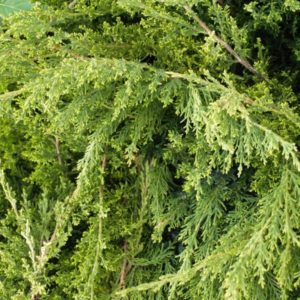
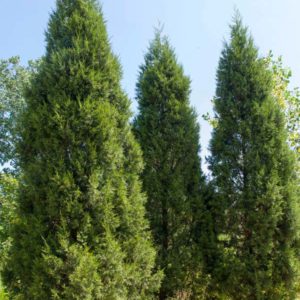
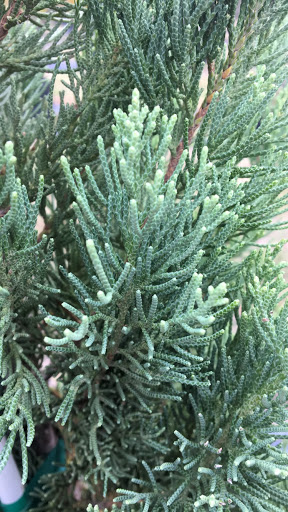
Blue Point is a study in restrained elegance. It grows as a compact, naturally pyramidal shrub with deep green, fine-textured foliage that maintains its color beautifully year-round, even through Connecticut’s harshest winters. The leaves are small and tightly packed, creating a smooth, almost architectural surface that invites you to run your hand across it. In spring, tiny white flowers appear scattered throughout the foliage—delicate and unpretentious—followed by small dark blue berries in fall and winter that persist long enough to add subtle color interest. At maturity, it reaches about 4 to 6 feet tall and 3 to 4 feet wide, though it’s an obligingly slow grower that stays smaller for years, making it perfect for spaces where you need to be patient for fill-in.

Growing it in your garden

Here’s what makes Blue Point different from so many fussy ornamentals: it’s genuinely adaptable. While it prefers full sun to partial shade (and will color up better with more light), it tolerates partial shade far more gracefully than most evergreens. Give it well-draining soil and consistent moisture during its first season, and it settles into New England life like it was born here. Once established, it’s drought-tolerant and doesn’t demand the babying that boxwood often requires. It’s not bothered by salt spray, making it a smart choice near roads or coastal properties. ILEX CRENATA ‘BLUE POINT’ handles the pH variability of Connecticut soils without complaint and actually prefers slightly acidic conditions, which is what you’ve probably got naturally.

Through the seasons

Spring brings fresh growth and those delicate white flowers, though they’re subtle enough that you might miss them if you’re not paying attention. Summer is when Blue Point really shines—the glossy foliage deepens in color and that pyramidal form becomes a strong structural element in your garden. By fall, the small berries develop that appealing blue-black hue, and the foliage holds steady through winter. Unlike many plants that fade or bronze unattractively in cold months, Blue Point maintains that deep, rich green color, making it especially valuable as an anchor in the winter landscape. In harsh New England winters, it may experience minimal die-back of new growth, but it recovers beautifully come spring.

Where it shines

Blue Point earns its keep in so many garden situations. Use it as a specimen plant to anchor a corner bed or mark an entryway. Plant it in pairs flanking a doorway or gate for formal definition without the maintenance burden of clipped boxwood. It’s exceptional in foundation plantings where you need something that stays relatively compact and maintains year-round structure. Because of its natural pyramidal shape, it requires minimal pruning—if any—making it perfect for gardeners who’d rather spend time enjoying their garden than maintaining it. It also works beautifully in containers, though you’ll want to ensure good drainage and monitor watering. Try clustering three together in a border for a layered, sophisticated effect, or use it as a filler evergreen in mixed shrub plantings.

Perfect companions

Blue Point’s fine texture and formal presence pair beautifully with broader-leaved companions. Try pairing it with oakleaf hydrangea for summer flowers and architectural form, or underplant it with colorful hostas to echo its vertical presence while adding textural contrast. Ornamental grasses like CALAMAGROSTIS ACUTIFOLORA ‘KARL FOERSTER’ create dynamic movement beside its stillness. For spring interest, surround it with emerging perennials like hellebores or bleeding heart. Its cool green works as a sophisticated backdrop for warmer-colored foliage plants or flowering shrubs like VIBURNUM or serviceberry.

Care tips

Water regularly during the first growing season—aim for consistent moisture without waterlogging. Once established, it’s fairly self-sufficient, though deep watering during prolonged summer dry spells keeps it looking its best. Pruning is optional; if you want to maintain or refine its shape, light pruning in late spring works well. No need for severe pruning—this plant’s natural form is its best feature. Avoid pruning in late summer or fall, as this can stimulate tender new growth that may be damaged by cold. Watch for spider mites in hot, dry summers; a strong spray of water from the hose usually addresses this. Otherwise, it’s quite disease and pest-resistant in our region.

Quick facts

  • Hardiness Zone: 5-8
  • Mature Height & Spread: 4-6 feet tall, 3-4 feet wide
  • Bloom Season: Late spring (flowers are secondary; blue berries develop in fall)
  • Light Requirements: Full sun to partial shade
  • Water Needs: Moderate; drought-tolerant once established
  • Available at: Both our retail and wholesale locations.
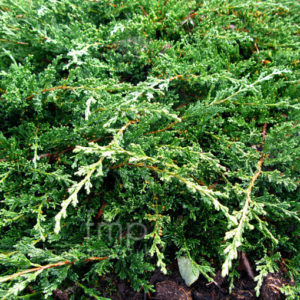
Blue Point

A great selection for small areas or planters. Dense branching makes for a great screen as well.

Zoning: 4-9
Mature Height and Spread: 10-14’ & 4-8’
Pot Size (gallons), Height: 5-6’, 6-7’, 7-8’

Description

Blue Point

ILEX CRENATA ‘BLUE POINT’

What if you could have the refined, elegant look of a boxwood without actually growing a boxwood? That’s the promise of Blue Point, a dwarf Japanese holly that’s quietly revolutionizing how Connecticut gardeners approach evergreen screening and foundation planting. With its tight, pyramidal form and dense, glossy foliage, this plant delivers the architectural sophistication of formal gardens while asking for far less fussing. It’s the practical gardener’s secret weapon—and once you plant one, you’ll probably want three more.

What it looks like

Blue Point is a study in restrained elegance. It grows as a compact, naturally pyramidal shrub with deep green, fine-textured foliage that maintains its color beautifully year-round, even through Connecticut’s harshest winters. The leaves are small and tightly packed, creating a smooth, almost architectural surface that invites you to run your hand across it. In spring, tiny white flowers appear scattered throughout the foliage—delicate and unpretentious—followed by small dark blue berries in fall and winter that persist long enough to add subtle color interest. At maturity, it reaches about 4 to 6 feet tall and 3 to 4 feet wide, though it’s an obligingly slow grower that stays smaller for years, making it perfect for spaces where you need to be patient for fill-in.

Growing it in your garden

Here’s what makes Blue Point different from so many fussy ornamentals: it’s genuinely adaptable. While it prefers full sun to partial shade (and will color up better with more light), it tolerates partial shade far more gracefully than most evergreens. Give it well-draining soil and consistent moisture during its first season, and it settles into New England life like it was born here. Once established, it’s drought-tolerant and doesn’t demand the babying that boxwood often requires. It’s not bothered by salt spray, making it a smart choice near roads or coastal properties. ILEX CRENATA ‘BLUE POINT’ handles the pH variability of Connecticut soils without complaint and actually prefers slightly acidic conditions, which is what you’ve probably got naturally.

Through the seasons

Spring brings fresh growth and those delicate white flowers, though they’re subtle enough that you might miss them if you’re not paying attention. Summer is when Blue Point really shines—the glossy foliage deepens in color and that pyramidal form becomes a strong structural element in your garden. By fall, the small berries develop that appealing blue-black hue, and the foliage holds steady through winter. Unlike many plants that fade or bronze unattractively in cold months, Blue Point maintains that deep, rich green color, making it especially valuable as an anchor in the winter landscape. In harsh New England winters, it may experience minimal die-back of new growth, but it recovers beautifully come spring.

Where it shines

Blue Point earns its keep in so many garden situations. Use it as a specimen plant to anchor a corner bed or mark an entryway. Plant it in pairs flanking a doorway or gate for formal definition without the maintenance burden of clipped boxwood. It’s exceptional in foundation plantings where you need something that stays relatively compact and maintains year-round structure. Because of its natural pyramidal shape, it requires minimal pruning—if any—making it perfect for gardeners who’d rather spend time enjoying their garden than maintaining it. It also works beautifully in containers, though you’ll want to ensure good drainage and monitor watering. Try clustering three together in a border for a layered, sophisticated effect, or use it as a filler evergreen in mixed shrub plantings.

Perfect companions

Blue Point’s fine texture and formal presence pair beautifully with broader-leaved companions. Try pairing it with oakleaf hydrangea for summer flowers and architectural form, or underplant it with colorful hostas to echo its vertical presence while adding textural contrast. Ornamental grasses like CALAMAGROSTIS ACUTIFOLORA ‘KARL FOERSTER’ create dynamic movement beside its stillness. For spring interest, surround it with emerging perennials like hellebores or bleeding heart. Its cool green works as a sophisticated backdrop for warmer-colored foliage plants or flowering shrubs like VIBURNUM or serviceberry.

Care tips

Water regularly during the first growing season—aim for consistent moisture without waterlogging. Once established, it’s fairly self-sufficient, though deep watering during prolonged summer dry spells keeps it looking its best. Pruning is optional; if you want to maintain or refine its shape, light pruning in late spring works well. No need for severe pruning—this plant’s natural form is its best feature. Avoid pruning in late summer or fall, as this can stimulate tender new growth that may be damaged by cold. Watch for spider mites in hot, dry summers; a strong spray of water from the hose usually addresses this. Otherwise, it’s quite disease and pest-resistant in our region.

Quick facts

  • Hardiness Zone: 5-8
  • Mature Height & Spread: 4-6 feet tall, 3-4 feet wide
  • Bloom Season: Late spring (flowers are secondary; blue berries develop in fall)
  • Light Requirements: Full sun to partial shade
  • Water Needs: Moderate; drought-tolerant once established
  • Available at: Both our retail and wholesale locations.