Keteleeri Chinese Juniper

JUNIPERUS CHINENSIS ‘KETELEERI’

What if you could plant something that looks like it belongs in a Japanese garden but actually thrives in Connecticut’s unpredictable climate? KETELEERI CHINESE JUNIPER is that rare find—a plant that combines architectural elegance with genuine toughness. This isn’t a fussy specimen that demands constant attention. It’s a reliable, beautiful workhorse that quietly earns its place in your landscape year after year, standing sentinel through New England winters without flinching.

What it looks like

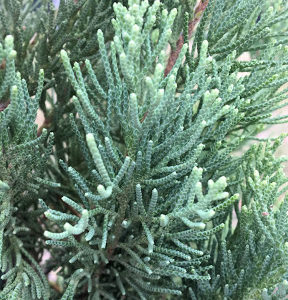
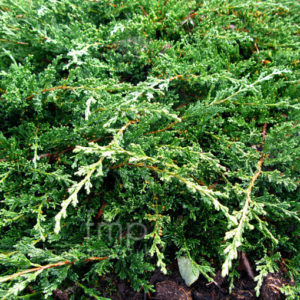
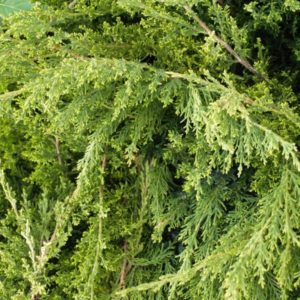
KETELEERI is a study in sculptural beauty. It grows as a dense, columnar evergreen with an almost formal bearing—the kind of plant that looks intentional in a garden, like you planned every element. Its foliage emerges as soft, feathery juvenile leaves (that delicate, threadlike texture junipers are famous for), but matures into a refined mix of scale-like foliage in shades of blue-green and silvery gray. The overall effect is sophisticated without being precious. This is a plant that photographs well from every angle, whether you’re looking at it from your deck or passing it on the driveway.

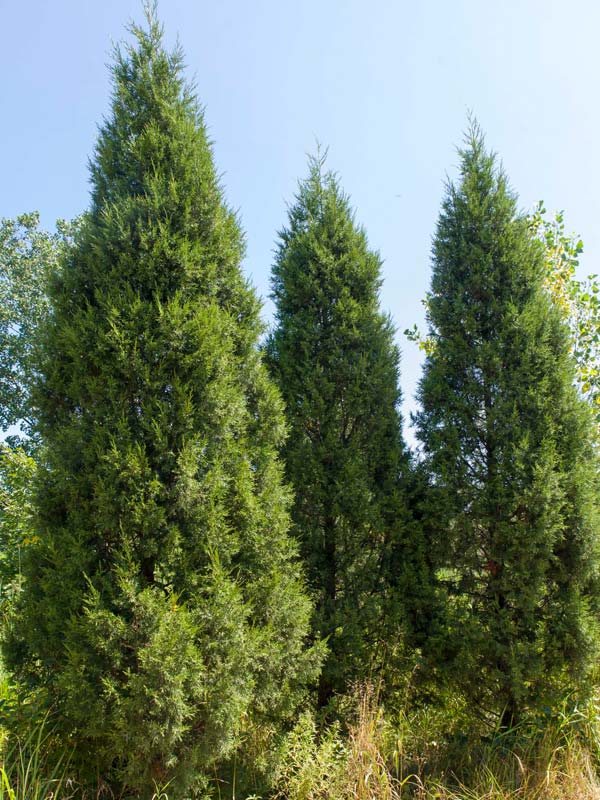
As it matures, KETELEERI maintains a neat, columnar form—typically growing taller than it is wide, which makes it perfect for tight spaces or creating vertical interest. Unlike some upright junipers that can look rangy or sparse, KETELEERI fills in densely, creating a solid presence in the landscape.

Growing it in your garden

Here’s what makes KETELEERI such a Connecticut favorite: it genuinely prefers the conditions we have to offer. Give it full sun—that’s six or more hours of direct light daily—and it will reward you with the most vibrant, rich coloring. Morning sun is especially valuable in our climate, as it helps dry off winter moisture and reduces the risk of fungal issues during our humid summers.

Soil-wise, KETELEERI is refreshingly unfussy. It thrives in well-draining soil and actually prefers things on the lean side. Rich, heavily amended soil can make it lazy and weak. Think of it this way: challenging conditions build character, and KETELEERI’s character is exactly what makes it beautiful. It handles sandy soil, clay soil, and everything in between, as long as water doesn’t pool around its roots.

The drought tolerance that develops once KETELEERI is established is genuinely impressive. This makes it an excellent choice for xeriscaping or for gardeners who don’t want to fuss with irrigation systems. That said, during the first growing season after planting, consistent moisture helps the root system establish itself properly.

Through the seasons

Spring brings fresh growth and a brightening of the foliage as new tips emerge. Summer is when KETELEERI shines hardest—the silvery-blue tones deepen, and the plant takes on an almost luminous quality in the bright light.

Fall and winter are where this plant truly proves itself. While other plants fade and disappear, KETELEERI remains a solid, substantial presence. Unlike some junipers that bronze or dull in winter, KETELEERI often intensifies in color, developing richer, sometimes purplish tones in response to the cold. Rather than diminishing its appeal, winter actually adds another chapter to the story. Snow clinging to its fine foliage is genuinely lovely, and it sheds snow and ice effectively without breaking under weight—a practical consideration in Connecticut.

Where it shines

KETELEERI is your answer for creating vertical focal points without needing a lot of space. Use it in foundation plantings where you want height but not width. It’s equally at home in modern landscapes, cottage gardens, and traditional New England settings. Group multiple KETELEERIs at varying heights for a dramatic, layered effect, or plant a single specimen as a punctuation mark at the end of a garden bed.

It’s excellent for containers, too—those tall, narrow forms work beautifully in large planters on patios or entryways. And because it’s so naturally tidy, it requires minimal pruning to maintain its shape, which appeals to gardeners who want structure without constant maintenance.

Perfect companions

KETELEERI partners beautifully with low-growing perennials and groundcovers that echo its cool color palette. Sedums, Russian Sage, Catmint, and other sun-loving companions create dynamic color contrasts. Evergreen companions like dwarf conifers, boxwoods, and Japanese False Cypress create a sophisticated mixed tapestry. Its vertical form contrasts nicely with spreading junipers and creeping groundcovers.

Care tips

Prune in late winter or early spring before new growth emerges. KETELEERI is naturally neat, but if you want to shape it more formally, selective pruning keeps it refined. Avoid shearing it like a hedge; instead, selectively remove branches to maintain its natural columnar form.

In Connecticut’s humid summers, ensure good air circulation around the base of the plant to prevent moisture-related issues. Once established, water only during extended dry spells. Fertilizer is rarely necessary—in fact, overfertilizing can promote weak, soft growth.

Quick facts

  • Hardiness Zone: 4-9
  • Mature Height & Spread: 15-20 feet tall, 3-4 feet wide
  • Bloom Season: N/A (evergreen; produces blue fruit cones)
  • Light Requirements: Full sun (6+ hours daily)
  • Water Needs: Low to moderate; drought-tolerant once established
  • Available at: Both our retail and wholesale locations
Keteleeri Chinese Juniper

Conifer, evergreen, pyramidal tree, 15-20 ft (4.5-6m) tall or taller, branches ascending. Leaves scale-like, very pointed, green, female clone with spherical cones having a recurved stalk, abundant fruit.

Pot Size (gallons), Height: 7-8′

Description

Keteleeri Chinese Juniper

JUNIPERUS CHINENSIS ‘KETELEERI’

What if you could plant something that looks like it belongs in a Japanese garden but actually thrives in Connecticut’s unpredictable climate? KETELEERI CHINESE JUNIPER is that rare find—a plant that combines architectural elegance with genuine toughness. This isn’t a fussy specimen that demands constant attention. It’s a reliable, beautiful workhorse that quietly earns its place in your landscape year after year, standing sentinel through New England winters without flinching.

What it looks like

KETELEERI is a study in sculptural beauty. It grows as a dense, columnar evergreen with an almost formal bearing—the kind of plant that looks intentional in a garden, like you planned every element. Its foliage emerges as soft, feathery juvenile leaves (that delicate, threadlike texture junipers are famous for), but matures into a refined mix of scale-like foliage in shades of blue-green and silvery gray. The overall effect is sophisticated without being precious. This is a plant that photographs well from every angle, whether you’re looking at it from your deck or passing it on the driveway.

As it matures, KETELEERI maintains a neat, columnar form—typically growing taller than it is wide, which makes it perfect for tight spaces or creating vertical interest. Unlike some upright junipers that can look rangy or sparse, KETELEERI fills in densely, creating a solid presence in the landscape.

Growing it in your garden

Here’s what makes KETELEERI such a Connecticut favorite: it genuinely prefers the conditions we have to offer. Give it full sun—that’s six or more hours of direct light daily—and it will reward you with the most vibrant, rich coloring. Morning sun is especially valuable in our climate, as it helps dry off winter moisture and reduces the risk of fungal issues during our humid summers.

Soil-wise, KETELEERI is refreshingly unfussy. It thrives in well-draining soil and actually prefers things on the lean side. Rich, heavily amended soil can make it lazy and weak. Think of it this way: challenging conditions build character, and KETELEERI’s character is exactly what makes it beautiful. It handles sandy soil, clay soil, and everything in between, as long as water doesn’t pool around its roots.

The drought tolerance that develops once KETELEERI is established is genuinely impressive. This makes it an excellent choice for xeriscaping or for gardeners who don’t want to fuss with irrigation systems. That said, during the first growing season after planting, consistent moisture helps the root system establish itself properly.

Through the seasons

Spring brings fresh growth and a brightening of the foliage as new tips emerge. Summer is when KETELEERI shines hardest—the silvery-blue tones deepen, and the plant takes on an almost luminous quality in the bright light.

Fall and winter are where this plant truly proves itself. While other plants fade and disappear, KETELEERI remains a solid, substantial presence. Unlike some junipers that bronze or dull in winter, KETELEERI often intensifies in color, developing richer, sometimes purplish tones in response to the cold. Rather than diminishing its appeal, winter actually adds another chapter to the story. Snow clinging to its fine foliage is genuinely lovely, and it sheds snow and ice effectively without breaking under weight—a practical consideration in Connecticut.

Where it shines

KETELEERI is your answer for creating vertical focal points without needing a lot of space. Use it in foundation plantings where you want height but not width. It’s equally at home in modern landscapes, cottage gardens, and traditional New England settings. Group multiple KETELEERIs at varying heights for a dramatic, layered effect, or plant a single specimen as a punctuation mark at the end of a garden bed.

It’s excellent for containers, too—those tall, narrow forms work beautifully in large planters on patios or entryways. And because it’s so naturally tidy, it requires minimal pruning to maintain its shape, which appeals to gardeners who want structure without constant maintenance.

Perfect companions

KETELEERI partners beautifully with low-growing perennials and groundcovers that echo its cool color palette. Sedums, Russian Sage, Catmint, and other sun-loving companions create dynamic color contrasts. Evergreen companions like dwarf conifers, boxwoods, and Japanese False Cypress create a sophisticated mixed tapestry. Its vertical form contrasts nicely with spreading junipers and creeping groundcovers.

Care tips

Prune in late winter or early spring before new growth emerges. KETELEERI is naturally neat, but if you want to shape it more formally, selective pruning keeps it refined. Avoid shearing it like a hedge; instead, selectively remove branches to maintain its natural columnar form.

In Connecticut’s humid summers, ensure good air circulation around the base of the plant to prevent moisture-related issues. Once established, water only during extended dry spells. Fertilizer is rarely necessary—in fact, overfertilizing can promote weak, soft growth.

Quick facts

  • Hardiness Zone: 4-9
  • Mature Height & Spread: 15-20 feet tall, 3-4 feet wide
  • Bloom Season: N/A (evergreen; produces blue fruit cones)
  • Light Requirements: Full sun (6+ hours daily)
  • Water Needs: Low to moderate; drought-tolerant once established
  • Available at: Both our retail and wholesale locations