Blue Star

AMSONIA HUBRICHTII

What if one plant could gift you delicate, feathery foliage that feels like a whisper in the garden, followed by clouds of pale blue flowers that make you pause mid-step? The Blue Star is that rare find—a Connecticut native that asks for very little while delivering quiet sophistication from spring through fall. This is the kind of plant that serious gardeners talk about in hushed, reverent tones, and once you grow it, you’ll understand why.

What it looks like

Blue Star earns its name from the star-shaped flowers that appear in late spring, but the real magic lives in its foliage. The feathery, thread-like leaves create an airy texture that’s almost ethereal—imagine finely woven silk in soft green. When those delicate blue flowers open in May and June, they’re like tiny sapphires scattered across the plant, drawing pollinators and admiration in equal measure. The overall effect is one of refined elegance, never heavy or coarse. Even after the flowers fade, the foliage remains the star of the show, maintaining that graceful, wispy character throughout the growing season.

Growing it in your garden

This is where Blue Star truly shines for New England gardeners. It’s adaptable, unfussy, and seems to actually thrive on benign neglect once established. Plant it in full sun to part shade—it’s not picky about light, though it’ll flower more prolifically with good sunlight. The real key is drainage. Blue Star prefers well-draining soil and actually dislikes wet feet, making it perfect for sandy or loamy beds. If you have heavy clay, amend generously with compost to improve drainage. It’s naturally disease-resistant and rarely bothered by pests, which means you can plant it and move on to worrying about something else. That’s the dream, isn’t it?

Through the seasons

Spring brings those charming blue flowers that catch the light beautifully, followed by weeks of airy foliage that provides textural interest even when other plants are just leafing out. Summer is when Blue Star becomes a reliable anchor in mixed borders, its fine texture playing off the bolder forms of other perennials. Here’s a delightful bonus: in autumn, as temperatures cool, the foliage transforms into brilliant shades of gold and rust. It’s a subtle show, not the screaming reds of a Japanese maple, but a sophisticated finale that extends your garden’s color story well into fall. Come winter, the plant dies back completely, disappearing below ground to rest until spring’s return.

Where it shines

Blue Star belongs in perennial borders where its delicate texture contrasts beautifully with bolder-leaved plants. Use it along pathways where you can appreciate its fine-textured foliage up close. It’s wonderful in cottage gardens, contemporary designs, and any landscape where you value grace over drama. Because it’s relatively compact and slow-growing, it works in smaller spaces too. If you’re designing a pollinator garden, Blue Star’s flowers are beloved by bees and butterflies. And because it’s a Connecticut native, you’re supporting the plants that naturally belong in our region—that’s a win for your garden and for our local ecology.

Perfect companions

Blue Star loves the company of other fine-textured plants like Russian Sage (PEROVSKIA) or threadleaf coreopsis, which echo its delicate nature. It pairs beautifully with darker foliage like that of coral bells (HEUCHERA) or black snakeroot (CIMICIFUGA). Combine it with bolder structural plants—ornamental grasses, sedums, or coneflowers—and watch it weave magic through the border. In spring, underplant it with shade-tolerant ephemeral wildflowers that bloom before the Blue Star fully leafs out.

Care tips

Once established, Blue Star is remarkably low-maintenance. Water regularly during its first growing season to help roots develop, then it’s quite drought-tolerant. Deadheading spent flowers will encourage a longer bloom period, though it’s not strictly necessary. In late fall or early spring, cut the plant back to the ground—it’s a perennial that completely dies back anyway. Fertilize lightly in spring with a balanced fertilizer, or simply top-dress with compost. The plant naturally forms a nice mounded shape, so it rarely needs aggressive pruning. Just let it do its thing.

Quick facts

  • Hardiness Zone: 4–9
  • Mature Height & Spread: 2–3 feet tall and wide
  • Bloom Season: May–June
  • Light Requirements: Full sun to part shade
  • Water Needs: Low to moderate; drought-tolerant once established
  • Available at: Both our retail and wholesale locations

Blue Star

Category:

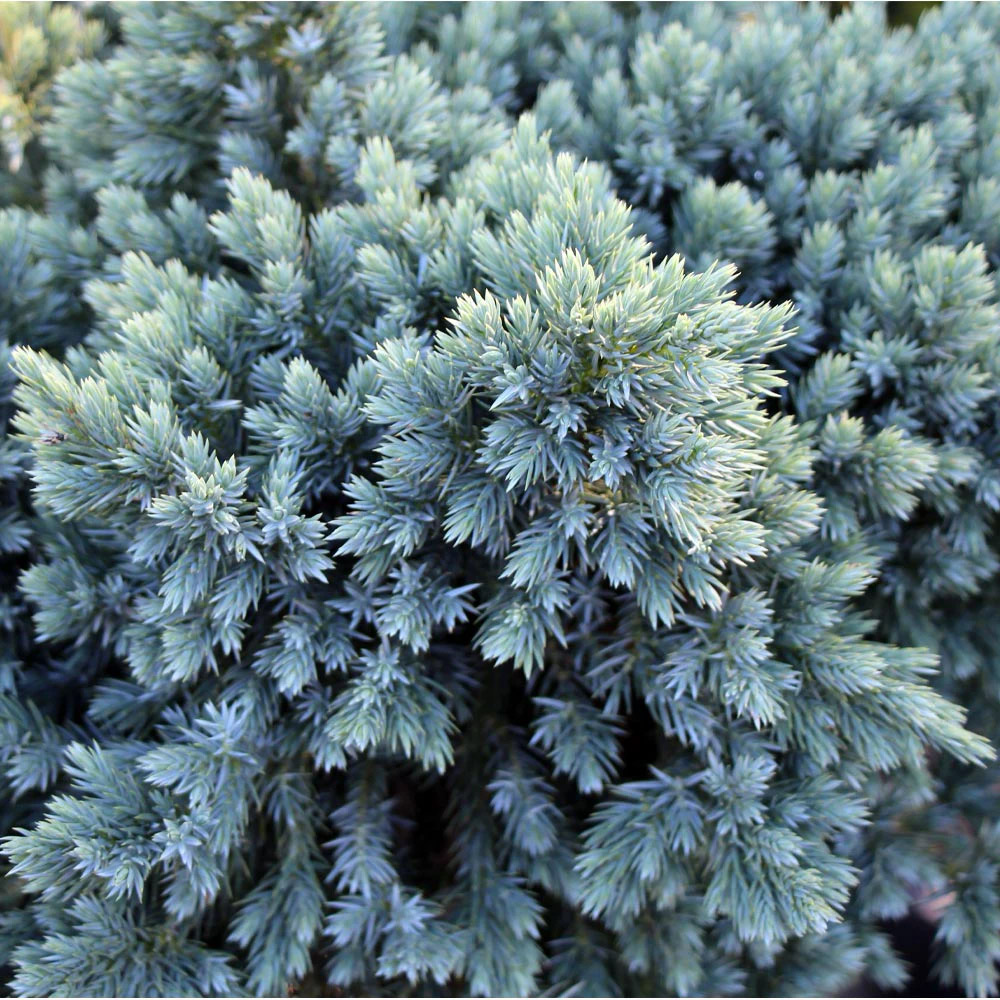
Attractive sparkling blue foliage on dense, spreading branches. Creates a colorful contrast to purple and green foliage plants. Use in a rock garden or as a low border plant. Ideal for mass plantings in minimal-care landscapes.

Pot Size (gallons), Height: #3

Description

Blue Star

AMSONIA HUBRICHTII

What if one plant could gift you delicate, feathery foliage that feels like a whisper in the garden, followed by clouds of pale blue flowers that make you pause mid-step? The Blue Star is that rare find—a Connecticut native that asks for very little while delivering quiet sophistication from spring through fall. This is the kind of plant that serious gardeners talk about in hushed, reverent tones, and once you grow it, you’ll understand why.

What it looks like

Blue Star earns its name from the star-shaped flowers that appear in late spring, but the real magic lives in its foliage. The feathery, thread-like leaves create an airy texture that’s almost ethereal—imagine finely woven silk in soft green. When those delicate blue flowers open in May and June, they’re like tiny sapphires scattered across the plant, drawing pollinators and admiration in equal measure. The overall effect is one of refined elegance, never heavy or coarse. Even after the flowers fade, the foliage remains the star of the show, maintaining that graceful, wispy character throughout the growing season.

Growing it in your garden

This is where Blue Star truly shines for New England gardeners. It’s adaptable, unfussy, and seems to actually thrive on benign neglect once established. Plant it in full sun to part shade—it’s not picky about light, though it’ll flower more prolifically with good sunlight. The real key is drainage. Blue Star prefers well-draining soil and actually dislikes wet feet, making it perfect for sandy or loamy beds. If you have heavy clay, amend generously with compost to improve drainage. It’s naturally disease-resistant and rarely bothered by pests, which means you can plant it and move on to worrying about something else. That’s the dream, isn’t it?

Through the seasons

Spring brings those charming blue flowers that catch the light beautifully, followed by weeks of airy foliage that provides textural interest even when other plants are just leafing out. Summer is when Blue Star becomes a reliable anchor in mixed borders, its fine texture playing off the bolder forms of other perennials. Here’s a delightful bonus: in autumn, as temperatures cool, the foliage transforms into brilliant shades of gold and rust. It’s a subtle show, not the screaming reds of a Japanese maple, but a sophisticated finale that extends your garden’s color story well into fall. Come winter, the plant dies back completely, disappearing below ground to rest until spring’s return.

Where it shines

Blue Star belongs in perennial borders where its delicate texture contrasts beautifully with bolder-leaved plants. Use it along pathways where you can appreciate its fine-textured foliage up close. It’s wonderful in cottage gardens, contemporary designs, and any landscape where you value grace over drama. Because it’s relatively compact and slow-growing, it works in smaller spaces too. If you’re designing a pollinator garden, Blue Star’s flowers are beloved by bees and butterflies. And because it’s a Connecticut native, you’re supporting the plants that naturally belong in our region—that’s a win for your garden and for our local ecology.

Perfect companions

Blue Star loves the company of other fine-textured plants like Russian Sage (PEROVSKIA) or threadleaf coreopsis, which echo its delicate nature. It pairs beautifully with darker foliage like that of coral bells (HEUCHERA) or black snakeroot (CIMICIFUGA). Combine it with bolder structural plants—ornamental grasses, sedums, or coneflowers—and watch it weave magic through the border. In spring, underplant it with shade-tolerant ephemeral wildflowers that bloom before the Blue Star fully leafs out.

Care tips

Once established, Blue Star is remarkably low-maintenance. Water regularly during its first growing season to help roots develop, then it’s quite drought-tolerant. Deadheading spent flowers will encourage a longer bloom period, though it’s not strictly necessary. In late fall or early spring, cut the plant back to the ground—it’s a perennial that completely dies back anyway. Fertilize lightly in spring with a balanced fertilizer, or simply top-dress with compost. The plant naturally forms a nice mounded shape, so it rarely needs aggressive pruning. Just let it do its thing.

Quick facts

  • Hardiness Zone: 4–9
  • Mature Height & Spread: 2–3 feet tall and wide
  • Bloom Season: May–June
  • Light Requirements: Full sun to part shade
  • Water Needs: Low to moderate; drought-tolerant once established
  • Available at: Both our retail and wholesale locations