Cardinal Flower

LOBELIA CARDINALIS

If you’ve been searching for a plant that captures the raw, electric energy of a New England summer, look no further than the Cardinal Flower. There’s nothing subtle about it—the impossibly vibrant scarlet spikes seem almost unreal, like someone took the most brilliant red in nature’s palette and concentrated it into one slender, elegant inflorescence. This is a native wildflower that belongs in Connecticut gardens, thriving in the exact conditions that challenge so many ornamentals. It’s the kind of plant that stops garden visitors in their tracks.

What it looks like

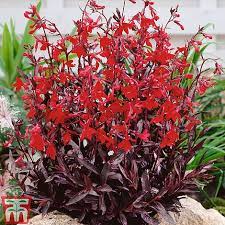
Cardinal Flower is a tall, slender perennial with a distinctly architectural presence. The flowers are tubular and arranged in a dense, vertical spike that can reach 3 to 4 feet tall, creating an almost luminous column of scarlet against green foliage. The leaves are lance-shaped and deep green, clustered at the base and becoming sparser as they ascend the flowering stem. This plant has a refined, almost delicate appearance despite its bold color—there’s an elegance to how it carries itself that makes it work beautifully in both naturalistic and more formally designed gardens. The flowers appear throughout summer and into early fall, attracting hummingbirds and butterflies that seem equally mesmerized by that electric red.

Growing it in your garden

Here’s what makes Cardinal Flower special for Connecticut gardeners: it actually thrives in the conditions that stress many plants. This is a moisture-loving native that evolved alongside our New England wetlands and stream banks. If you have a spot in your garden where the soil stays consistently moist—near a rain garden, along a water feature, or in a naturally damp area—Cardinal Flower will flourish there. That said, it’s not a “water-logged roots” plant; it wants moisture without becoming a bog. Think of the soil as staying like a wrung-out sponge rather than saturated. In areas with regular summer irrigation, it can adapt to average moisture levels. The key is consistent soil moisture during the growing season.

Through the seasons

Spring brings fresh green growth from the base, with the plant building steadily through early summer. By mid-June through August, the true magic happens—those spectacular flower spikes open from the bottom upward, maintaining their color and appeal for weeks. Hummingbirds and ruby-throated hummingbirds will visit constantly. By autumn, the foliage begins to fade, and you can cut back the spent flower stalks. This is a short-lived perennial in most gardens, typically lasting 2 to 3 years before needing to be refreshed. This isn’t a drawback—many gardeners simply let them self-seed into their preferred spots, creating a renewable population. The plant is cold-hardy through Connecticut winters, though it appreciates some winter protection in the form of mulch or leaving the dried stems standing for insulation.

Where it shines

Cardinal Flower is absolutely unbeatable in rain gardens and bioswales where you’re managing stormwater runoff—it was designed for these conditions. Plant it along the edges of small ponds, stream banks, or boggy areas. In mixed perennial borders with adequate moisture, it creates a stunning vertical accent. It’s also magnificent in cottage gardens with a native plant focus, and pair it with other moisture-loving perennials for real impact. Because of its height and narrow profile, it works as a back-of-border plant or as a focal point in smaller gardens. It’s particularly stunning when backlit by afternoon sun, which makes that red glow almost supernaturally vivid.

Perfect companions

Plant Cardinal Flower alongside other moisture-loving New England natives like Hibiscus moscheutos (Rose Mallow), Eupatorium (Joe-Pye Weed), and Vernonia (Ironweed) for a true native pollinator garden. Golden Coreopsis, with its soft yellow daisy-like flowers, creates a beautiful warm-cool contrast. For foliage interest, pair it with hostas or ferns that appreciate similar moisture levels. The deep green of Japanese Hakonechloa grass provides beautiful textural contrast and thrives in the same damp conditions.

Care tips

Deadhead spent flower spikes throughout the season to encourage continued blooming and a neater appearance. Allow some flowers to mature if you want self-seeding. Water consistently during dry periods—mulch around plants to help retain moisture. In fall, you can either cut the plant back or leave the dried stems for winter structure and self-seeding. Since it’s short-lived, many gardeners save seeds in autumn for spring sowing, creating a continuous presence in the garden. The plant rarely needs fertilizing in decent soil and has no significant pest issues.

Quick facts

  • Hardiness Zone: 2–9 (thrives throughout Connecticut)
  • Mature Height & Spread: 3–4 feet tall, 1–2 feet wide
  • Bloom Season: June through September
  • Light Requirements: Full sun to part shade (afternoon shade appreciated in hot areas)
  • Water Needs: Consistently moist to wet soil; not drought tolerant
  • Available at: Both our retail and wholesale locations

Cardinal Flower

Queen Victoria Cardinal Flower features showy spikes of red flowers rising above the foliage from mid summer to early fall. The flowers are excellent for cutting. Its attractive pointy leaves remain burgundy in color throughout the season. The fruit is not ornamentally significant.

Pot Size (gallons), Height: #1

Description

Cardinal Flower

LOBELIA CARDINALIS

If you’ve been searching for a plant that captures the raw, electric energy of a New England summer, look no further than the Cardinal Flower. There’s nothing subtle about it—the impossibly vibrant scarlet spikes seem almost unreal, like someone took the most brilliant red in nature’s palette and concentrated it into one slender, elegant inflorescence. This is a native wildflower that belongs in Connecticut gardens, thriving in the exact conditions that challenge so many ornamentals. It’s the kind of plant that stops garden visitors in their tracks.

What it looks like

Cardinal Flower is a tall, slender perennial with a distinctly architectural presence. The flowers are tubular and arranged in a dense, vertical spike that can reach 3 to 4 feet tall, creating an almost luminous column of scarlet against green foliage. The leaves are lance-shaped and deep green, clustered at the base and becoming sparser as they ascend the flowering stem. This plant has a refined, almost delicate appearance despite its bold color—there’s an elegance to how it carries itself that makes it work beautifully in both naturalistic and more formally designed gardens. The flowers appear throughout summer and into early fall, attracting hummingbirds and butterflies that seem equally mesmerized by that electric red.

Growing it in your garden

Here’s what makes Cardinal Flower special for Connecticut gardeners: it actually thrives in the conditions that stress many plants. This is a moisture-loving native that evolved alongside our New England wetlands and stream banks. If you have a spot in your garden where the soil stays consistently moist—near a rain garden, along a water feature, or in a naturally damp area—Cardinal Flower will flourish there. That said, it’s not a “water-logged roots” plant; it wants moisture without becoming a bog. Think of the soil as staying like a wrung-out sponge rather than saturated. In areas with regular summer irrigation, it can adapt to average moisture levels. The key is consistent soil moisture during the growing season.

Through the seasons

Spring brings fresh green growth from the base, with the plant building steadily through early summer. By mid-June through August, the true magic happens—those spectacular flower spikes open from the bottom upward, maintaining their color and appeal for weeks. Hummingbirds and ruby-throated hummingbirds will visit constantly. By autumn, the foliage begins to fade, and you can cut back the spent flower stalks. This is a short-lived perennial in most gardens, typically lasting 2 to 3 years before needing to be refreshed. This isn’t a drawback—many gardeners simply let them self-seed into their preferred spots, creating a renewable population. The plant is cold-hardy through Connecticut winters, though it appreciates some winter protection in the form of mulch or leaving the dried stems standing for insulation.

Where it shines

Cardinal Flower is absolutely unbeatable in rain gardens and bioswales where you’re managing stormwater runoff—it was designed for these conditions. Plant it along the edges of small ponds, stream banks, or boggy areas. In mixed perennial borders with adequate moisture, it creates a stunning vertical accent. It’s also magnificent in cottage gardens with a native plant focus, and pair it with other moisture-loving perennials for real impact. Because of its height and narrow profile, it works as a back-of-border plant or as a focal point in smaller gardens. It’s particularly stunning when backlit by afternoon sun, which makes that red glow almost supernaturally vivid.

Perfect companions

Plant Cardinal Flower alongside other moisture-loving New England natives like Hibiscus moscheutos (Rose Mallow), Eupatorium (Joe-Pye Weed), and Vernonia (Ironweed) for a true native pollinator garden. Golden Coreopsis, with its soft yellow daisy-like flowers, creates a beautiful warm-cool contrast. For foliage interest, pair it with hostas or ferns that appreciate similar moisture levels. The deep green of Japanese Hakonechloa grass provides beautiful textural contrast and thrives in the same damp conditions.

Care tips

Deadhead spent flower spikes throughout the season to encourage continued blooming and a neater appearance. Allow some flowers to mature if you want self-seeding. Water consistently during dry periods—mulch around plants to help retain moisture. In fall, you can either cut the plant back or leave the dried stems for winter structure and self-seeding. Since it’s short-lived, many gardeners save seeds in autumn for spring sowing, creating a continuous presence in the garden. The plant rarely needs fertilizing in decent soil and has no significant pest issues.

Quick facts

  • Hardiness Zone: 2–9 (thrives throughout Connecticut)
  • Mature Height & Spread: 3–4 feet tall, 1–2 feet wide
  • Bloom Season: June through September
  • Light Requirements: Full sun to part shade (afternoon shade appreciated in hot areas)
  • Water Needs: Consistently moist to wet soil; not drought tolerant
  • Available at: Both our retail and wholesale locations