If you’re looking for a birch that brings real heat to your Connecticut garden—both in color and hardship—then the Duo Heat River Birch (BETULA NIGRA ‘Duoheat’) is absolutely calling your name. This isn’t your grandmother’s birch, and I mean that as the highest compliment. With its stunning exfoliating bark that shifts through cream, orange, and reddish tones throughout the year, this tree is basically a living piece of art that transforms your entire landscape. Better yet, it’s been bred to handle our New England climate with serious toughness, plus it brings ornamental interest even when nothing else is putting on a show. Trust me, once you plant one of these beauties, you’ll wonder how you ever gardened without it.

What it looks like

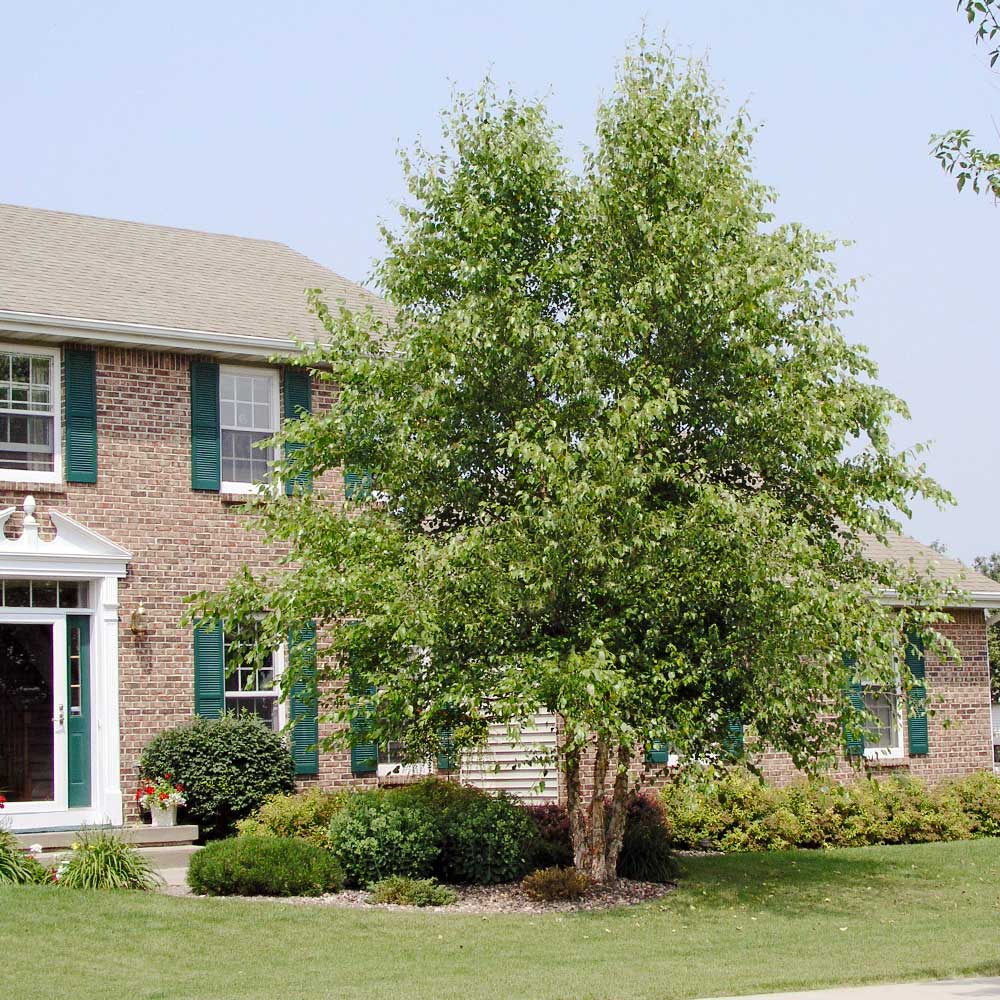
The Duo Heat River Birch is absolutely stunning, and I’m not exaggerating when I say this tree looks like it was designed in a painter’s studio. The bark is the real showstopper—as it matures, you’ll get these gorgeous layers of exfoliating papery bark in creamy white, warm peachy-orange, and reddish-brown tones that practically glow when the sun hits them at certain angles. It’s especially dramatic in winter when there’s snow in the background. The foliage is equally lovely, with bright green diamond-shaped leaves that have a fine, delicate texture. In autumn, those leaves turn a soft yellow-gold that’s not the screaming orange of a maple, but rather an elegant, sophisticated yellow that blends beautifully with other fall colors. The overall growth habit is graceful and naturally multi-stemmed, giving you that desirable open, airy silhouette that immediately makes any garden feel more sophisticated.

Growing it in your garden

Here’s where I get really excited about the Duo Heat River Birch for Connecticut gardeners: this tree is genuinely well-suited to our region. River birches have always been a bit trickier than their white-barked cousins in cold climates, but the Duo Heat cultivar was specifically selected for superior cold hardiness without sacrificing that gorgeous bark color. It’ll thrive in Zones 4-9, which means we’re right in the sweet spot here in Connecticut. This tree prefers consistently moist soil—and I mean that genuinely, not just “water occasionally.” If you can plant it near a rain garden, along a stream bed, or somewhere that naturally stays a bit moist, it’ll absolutely sing. That said, newer trees are getting tougher and more adaptable, so don’t panic if your garden doesn’t have a creek running through it. Just commit to regular watering during dry spells, especially in those first couple of years while roots are establishing. The Duo Heat handles our humidity beautifully and is actually more disease-resistant than some of the older river birch varieties.

Through the seasons

What I absolutely adore about this tree is that it gives you something to love in every single season, which is honestly the goal of good garden design in New England. In spring, you’ll get those fresh, bright green leaves emerging on branches that are still showing off their peeling bark—it’s this lovely combination of new growth and winter interest wrapping up. Summer is when the tree fills out into a full, graceful canopy with that delicate foliage creating beautiful dappled shade below. Fall brings those soft golden-yellow leaves, but here’s the bonus: even as the leaves are falling, the bark underneath is becoming MORE colorful and prominent. By winter, when most of the landscape is looking pretty drab, your Duo Heat birch becomes an absolute focal point. Those peeling tones of cream, orange, and red really earn their keep when everything else is dormant. On a sunny winter day, it’ll practically light up your entire yard.

Where it shines

The Duo Heat River Birch is remarkably versatile, which is one of the reasons I recommend it so often. It’s perfect as a specimen tree where you really want to showcase that beautiful bark and graceful form—think about placing it where morning or late afternoon sun can backlight those exfoliating branches. It’s also wonderful in groupings of three or five trees, which creates this stunning layered effect and is very on-trend for modern landscape design. If you have a moist area in your yard that’s been challenging to landscape, this is your answer. It works beautifully along water features, in rain gardens, or anywhere that gets naturally boggy in spring. It also makes an excellent choice for screening because it provides that open-canopy privacy without feeling too dense or heavy. And honestly? It’s spectacular in contemporary gardens where clean lines and architectural interest matter.

Perfect companions

The Duo Heat birch’s graceful, open structure and soft foliage make it a wonderful backdrop for other plants. I love pairing it with shade-loving perennials like ferns, hellebores, and hostas underneath its canopy—the dappled shade it creates is genuinely perfect for those plants. For seasonal color, consider underplanting with spring bulbs like native trilliums or hellebores that bloom early before the tree fully leafs out. As far as neighboring trees and shrubs go, it plays well with other native favorites like serviceberry, dogwood, and sweet bay magnolia. For a really modern look, pair it with ornamental grasses like Miscanthus or Panicum—the contrast between the vertical grasses and the horizontal branching structure is really beautiful. I also wouldn’t hesitate to combine multiple Duo Heat birches together for that stunning multi-stem grove effect.

Care tips

The Duo Heat is relatively low-maintenance once established, but there are a few things that’ll keep it absolutely thriving. Consistent moisture is your biggest priority, especially the first year or two. Water deeply and regularly during dry spells—think of it as really soaking the root zone rather than frequent light watering. Mulching around the base with 2-3 inches of organic mulch (keeping it away from the trunk itself) helps retain soil moisture and keeps things cool, which the roots appreciate. Pruning is pretty minimal; birches prefer to be left alone and will develop a naturally beautiful shape. If you do need to remove branches, do it in late summer or early fall—avoid late spring pruning when the sap is running. The Duo Heat is relatively pest-resistant compared to other birches, which is another reason I love it for Connecticut gardens. Occasional spider mites can happen in very dry summers, so that’s another reason to maintain consistent soil moisture. Honestly, this tree doesn’t ask for much once you’ve got it established.

Quick facts

  • Hardiness Zone: 4-9
  • Mature Height & Spread: 40-50 feet tall, 25-35 feet wide
  • Bloom Season: Spring (catkins); ornamental bark year-round
  • Light Requirements: Full sun to part shade
  • Water Needs: Moderate to high; prefers consistently moist soil
  • Available at: Both our retail and wholesale locations.

Duo Heat river Birch

Category:

Easily grown average, medium to wet soils in full sun to part shade. River birch is perhaps the most culturally adaptable and heat tolerant of the birches. Prefers moist, acidic, fertile soils including semi-aquatic conditions, but also tolerates drier soils

Pot Size (gallons), Height: 10-12′

Description

If you’re looking for a birch that brings real heat to your Connecticut garden—both in color and hardship—then the Duo Heat River Birch (BETULA NIGRA ‘Duoheat’) is absolutely calling your name. This isn’t your grandmother’s birch, and I mean that as the highest compliment. With its stunning exfoliating bark that shifts through cream, orange, and reddish tones throughout the year, this tree is basically a living piece of art that transforms your entire landscape. Better yet, it’s been bred to handle our New England climate with serious toughness, plus it brings ornamental interest even when nothing else is putting on a show. Trust me, once you plant one of these beauties, you’ll wonder how you ever gardened without it.

What it looks like

The Duo Heat River Birch is absolutely stunning, and I’m not exaggerating when I say this tree looks like it was designed in a painter’s studio. The bark is the real showstopper—as it matures, you’ll get these gorgeous layers of exfoliating papery bark in creamy white, warm peachy-orange, and reddish-brown tones that practically glow when the sun hits them at certain angles. It’s especially dramatic in winter when there’s snow in the background. The foliage is equally lovely, with bright green diamond-shaped leaves that have a fine, delicate texture. In autumn, those leaves turn a soft yellow-gold that’s not the screaming orange of a maple, but rather an elegant, sophisticated yellow that blends beautifully with other fall colors. The overall growth habit is graceful and naturally multi-stemmed, giving you that desirable open, airy silhouette that immediately makes any garden feel more sophisticated.

Growing it in your garden

Here’s where I get really excited about the Duo Heat River Birch for Connecticut gardeners: this tree is genuinely well-suited to our region. River birches have always been a bit trickier than their white-barked cousins in cold climates, but the Duo Heat cultivar was specifically selected for superior cold hardiness without sacrificing that gorgeous bark color. It’ll thrive in Zones 4-9, which means we’re right in the sweet spot here in Connecticut. This tree prefers consistently moist soil—and I mean that genuinely, not just “water occasionally.” If you can plant it near a rain garden, along a stream bed, or somewhere that naturally stays a bit moist, it’ll absolutely sing. That said, newer trees are getting tougher and more adaptable, so don’t panic if your garden doesn’t have a creek running through it. Just commit to regular watering during dry spells, especially in those first couple of years while roots are establishing. The Duo Heat handles our humidity beautifully and is actually more disease-resistant than some of the older river birch varieties.

Through the seasons

What I absolutely adore about this tree is that it gives you something to love in every single season, which is honestly the goal of good garden design in New England. In spring, you’ll get those fresh, bright green leaves emerging on branches that are still showing off their peeling bark—it’s this lovely combination of new growth and winter interest wrapping up. Summer is when the tree fills out into a full, graceful canopy with that delicate foliage creating beautiful dappled shade below. Fall brings those soft golden-yellow leaves, but here’s the bonus: even as the leaves are falling, the bark underneath is becoming MORE colorful and prominent. By winter, when most of the landscape is looking pretty drab, your Duo Heat birch becomes an absolute focal point. Those peeling tones of cream, orange, and red really earn their keep when everything else is dormant. On a sunny winter day, it’ll practically light up your entire yard.

Where it shines

The Duo Heat River Birch is remarkably versatile, which is one of the reasons I recommend it so often. It’s perfect as a specimen tree where you really want to showcase that beautiful bark and graceful form—think about placing it where morning or late afternoon sun can backlight those exfoliating branches. It’s also wonderful in groupings of three or five trees, which creates this stunning layered effect and is very on-trend for modern landscape design. If you have a moist area in your yard that’s been challenging to landscape, this is your answer. It works beautifully along water features, in rain gardens, or anywhere that gets naturally boggy in spring. It also makes an excellent choice for screening because it provides that open-canopy privacy without feeling too dense or heavy. And honestly? It’s spectacular in contemporary gardens where clean lines and architectural interest matter.

Perfect companions

The Duo Heat birch’s graceful, open structure and soft foliage make it a wonderful backdrop for other plants. I love pairing it with shade-loving perennials like ferns, hellebores, and hostas underneath its canopy—the dappled shade it creates is genuinely perfect for those plants. For seasonal color, consider underplanting with spring bulbs like native trilliums or hellebores that bloom early before the tree fully leafs out. As far as neighboring trees and shrubs go, it plays well with other native favorites like serviceberry, dogwood, and sweet bay magnolia. For a really modern look, pair it with ornamental grasses like Miscanthus or Panicum—the contrast between the vertical grasses and the horizontal branching structure is really beautiful. I also wouldn’t hesitate to combine multiple Duo Heat birches together for that stunning multi-stem grove effect.

Care tips

The Duo Heat is relatively low-maintenance once established, but there are a few things that’ll keep it absolutely thriving. Consistent moisture is your biggest priority, especially the first year or two. Water deeply and regularly during dry spells—think of it as really soaking the root zone rather than frequent light watering. Mulching around the base with 2-3 inches of organic mulch (keeping it away from the trunk itself) helps retain soil moisture and keeps things cool, which the roots appreciate. Pruning is pretty minimal; birches prefer to be left alone and will develop a naturally beautiful shape. If you do need to remove branches, do it in late summer or early fall—avoid late spring pruning when the sap is running. The Duo Heat is relatively pest-resistant compared to other birches, which is another reason I love it for Connecticut gardens. Occasional spider mites can happen in very dry summers, so that’s another reason to maintain consistent soil moisture. Honestly, this tree doesn’t ask for much once you’ve got it established.

Quick facts

  • Hardiness Zone: 4-9
  • Mature Height & Spread: 40-50 feet tall, 25-35 feet wide
  • Bloom Season: Spring (catkins); ornamental bark year-round
  • Light Requirements: Full sun to part shade
  • Water Needs: Moderate to high; prefers consistently moist soil
  • Available at: Both our retail and wholesale locations.