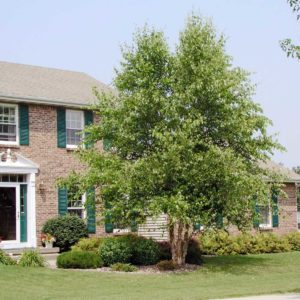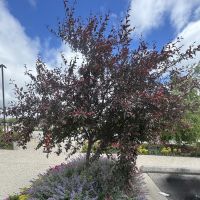
Description
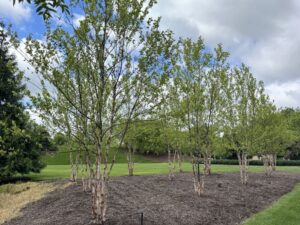 BETULA NIGRA
The River Birch is Connecticut’s answer to a tree that actually wants to grow where other trees sulk. If you’ve been searching for something that handles wet soil, deep shade, and the unpredictable moods of New England seasons without complaint, this is it. With its distinctive peeling bark that looks like abstract watercolor paintings, exfoliating in shades of cream, tan, and cinnamon-red, this tree brings year-round visual interest that most other shade trees can’t match. It’s elegant without being fussy, substantial without demanding constant attention, and genuinely happy in the trickier corners of your property where you thought nothing could thrive.
What it looks like
The magic of BETULA NIGRA lies in that incredible bark. Young branches exfoliate in papery sheets of cream and peachy-tan, creating a soft, almost ethereal appearance that catches light beautifully, especially in winter when the rest of the garden is muted. As the tree matures, the bark deepens to rusty red-brown tones. The foliage is fine and delicate—glossy green leaves that are smaller and more refined than those of other birches, creating an airy, somewhat weeping quality to the branching structure. In autumn, the leaves turn a lovely golden-yellow, though the real show happens year-round with that perpetually shedding bark. The overall form is naturally graceful and slightly spreading, growing taller than it is wide, which makes it work beautifully in tight spaces or as a focal point in a mixed planting scheme.
Growing it in your garden
Here’s the honest truth: River Birch will absolutely thrive in conditions where you’ve killed other trees. It laughs at wet feet—this is a tree that evolved to grow along stream banks and in boggy areas of the Southeast, so Connecticut’s moist springs and poorly draining clay soils are basically its comfort zone. Plant it in a spot that stays consistently moist, even wet, and watch it flourish. Unlike paper birches, which demand excellent drainage and sulk in shade, BETULA NIGRA genuinely performs in partial shade. Full sun is wonderful, but this tree won’t decline in dappled or afternoon shade. That said, you’ll get the best bark color in full sun to part sun locations. Space it with room to spread its branches—it wants airflow and doesn’t appreciate being cramped. In Connecticut’s growing zones, this tree establishes beautifully and grows quickly once settled, reaching its mature size in 10-15 years under good conditions.
Through the seasons
Spring brings fresh green growth and a burst of delicate catkins that flutter in the breeze, adding movement and subtle texture. Early summer showcases that glossy foliage against the increasingly visible exfoliating bark. Mid to late summer is peak shade-providing season, with the fine-textured canopy creating dappled light that’s beautiful beneath the tree. Autumn delivers golden yellows that glow in October light, and the leaves drop relatively cleanly. Then comes the real magic: winter. With deciduous trees stripped bare, that peeling bark becomes the main event. In snow, it’s absolutely stunning—the warm tones of the exfoliating bark create astonishing contrast against white drifts. Early spring is when you’ll see the most dramatic bark exfoliation, so don’t be alarmed if it looks shaggy—that’s the show.
Where it shines
Plant this tree near a pond, stream, or low-lying area where water tends to linger after rain. It’s absolutely unbeatable in problem-drainage situations. As a specimen tree near a seating area or pathway, that exfoliating bark rewards close inspection. In partly shaded woodland gardens or under the high canopy of larger trees, it brings brightness and texture that lighter-barked specimens provide. Group multiple BETULA NIGRA together (especially cultivars with varying bark colors) for a stunning multi-stem effect, or let it stand alone as a statement piece. It’s equally beautiful in contemporary landscapes and naturalistic gardens. The fine foliage and elegant form make it perfect for smaller properties—it doesn’t sprawl aggressively and won’t overwhelm a medium-sized yard.
Perfect companions
Plant River Birch with other moisture-loving shade plants like Astilbes, Hosta varieties, and wild ginger. Combine it with spring ephemerals like Trillium and Bloodroot that appreciate the dappled shade it creates. Winterberry Holly looks stunning planted beneath or nearby, extending winter interest with persistent red berries. In moist areas, pair it with native ferns and Sedges. The fine texture of River Birch foliage contrasts beautifully with broad-leaved shade plants, so don’t hesitate to add substantial-looking companions like Oakleaf Hydrangea or Viburnum species nearby.
Care tips
River Birch is remarkably low-maintenance once established. Water regularly during the first year while roots establish, then let natural rainfall take over in most years—this tree actually prefers moist to wet conditions. Prune in late winter if needed, removing crossing branches or low-hanging limbs, but this tree naturally develops a lovely form without heavy pruning. It doesn’t require fertilizing in most Connecticut gardens. The bark exfoliation is completely normal and requires no intervention—just enjoy it. This species is far less susceptible to birch borers than paper birches, making it a much more reliable choice for long-term Connecticut landscapes.
Quick facts
- Hardiness Zone: Zones 4-9 (thrives throughout Connecticut)
- Mature Height & Spread: 40-70 feet tall, 35-60 feet wide
- Bloom Season: Spring (catkins)
- Light Requirements: Full sun to partial shade
- Water Needs: Moist to wet soil preferred (handles standing water)
- Available at: Both our retail and wholesale locations.