Description
CORNUS FLORIDA
What if one plant could gift you the delicate spring beauty of cherry blossoms, the architectural interest of layered branching, and vibrant fall color all in one? The Flowering Dogwood is that rare treasure—a native understory tree that brings refined elegance to any Connecticut garden. Unlike the aggressive, fast-growing shrubs that dominate landscapes, this tree invites you to slow down and appreciate its subtle sophistication. It’s the kind of plant that makes you walk your garden on a spring morning just to see what’s new.
What it looks like
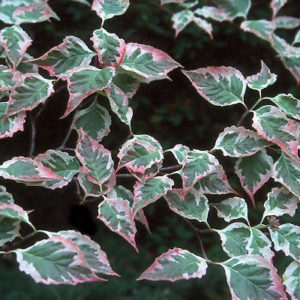
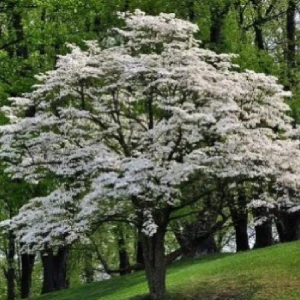
The magic of Flowering Dogwood lies in its delicate honesty. The true flowers are actually tiny, greenish-yellow clusters in the center, but what steals the show are the four broad, papery bracts surrounding them—those are what everyone calls the “flowers.” They come in classic white, soft pink, or deeper rose, depending on the cultivar you choose. The foliage is opposite and oval, a fresh medium green in spring that deepens throughout the growing season before turning a stunning burgundy-purple in fall. The branching pattern is perhaps the most architectural feature: horizontal and layered, creating an almost cloud-like canopy even in winter when the distinctive horizontal branching becomes a sculpture in your landscape.
Growing it in your garden
Here’s the honest truth: Flowering Dogwood is a bit particular about its preferences, which is why knowing what it wants makes all the difference. This is a woodland edge plant at heart, so it thrives in dappled shade—think under the high canopy of a tall oak or maple. It can tolerate some morning sun in northern Connecticut, but afternoon shade is essential, especially in warmer years. The soil should be slightly acidic, well-draining, and rich in organic matter. Before planting, amend your soil with compost and aged leaf mulch to mimic the woodland floor it naturally inhabits. This investment in soil prep is the single most important thing you can do for long-term success.
Plant in spring or fall when the tree can establish roots before extreme temperatures arrive. Space it where it won’t compete with aggressive tree roots. Water regularly the first season—think of it like building a relationship, and you’re establishing trust during those crucial early months.
Through the seasons
Spring is when Flowering Dogwood becomes the star of the show. Blooms arrive around late April through May, and they’re absolutely luminous in woodland settings. The bracts open gradually, creating weeks of refined beauty rather than a quick burst. Summer brings that deep green canopy and a sense of coolness and shade—perfect for planting hostas and shade lovers beneath it. Fall is the encore, with leaves turning to rich burgundy or purple tones. Even after the leaves drop, the horizontal branching structure provides architectural interest throughout winter, and in many cases, bright red berries persist into the season, feeding the birds who’ll visit your garden.
Where it shines
Flowering Dogwood is absolutely at home in woodland gardens and naturalized settings. It’s perfect for a shaded corner, as an understory tree beneath tall oaks, or in a collection of native plants celebrating our Connecticut heritage. It looks particularly stunning when planted in groups of three, their layered branching creating a soft, tiered effect. This is also an excellent choice for smaller properties where a full-sized shade tree might be too much, but you still want significant presence.
Perfect companions
Plant Flowering Dogwood where it can be framed by tall trees and underplanted with shade-loving perennials that won’t compete with its roots. Coral Bells, Hellebores, Solomon’s Seal, and Japanese Painted Ferns all make excellent companions. Shade-tolerant groundcovers like Ajuga or sweet woodruff work beautifully at its feet. For seasonal interest, underplant with spring bulbs like Erythronium (Trout Lily) and Bloodroot, which bloom right around the time your dogwood is putting on its show.
Care tips
Mulch around your Flowering Dogwood with 2-3 inches of aged leaf mulch or compost, keeping it a few inches away from the trunk. Water during dry spells, particularly during the first couple of growing seasons and through hot Connecticut summers. These trees generally don’t require pruning except to remove dead or crossing branches—in fact, their natural form is part of their beauty, so resist the urge to shape them. In our region, the biggest challenge is maintaining adequate moisture and providing afternoon shade. A good layer of leaf mulch (fall leaves are free and perfect) helps with both water retention and that woodland soil they love.
Quick facts
- Hardiness Zone: Zones 5-9 (thrives in Connecticut)
- Mature Height & Spread: 20-30 feet tall and wide
- Bloom Season: Late April through May
- Light Requirements: Partial shade to dappled sunlight; afternoon shade essential
- Water Needs: Moderate; consistent moisture, well-draining soil
- Available at: Both our retail and wholesale locations