Description

CORNUS FLORIDA ‘WELCHII TRICOLOR’
What if you could have a plant that stops traffic three seasons a year? The Welchii Tricolor Flowering Dogwood is that rare treasure—a tree that doesn’t just survive in a Connecticut garden, it becomes the focal point everyone asks about. With foliage that shifts through pink, white, and green like an artist’s palette, this is elegance with substance.
What it looks like
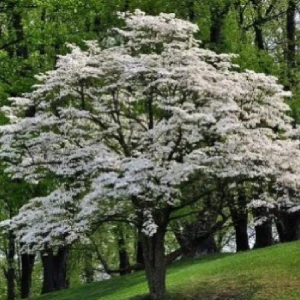
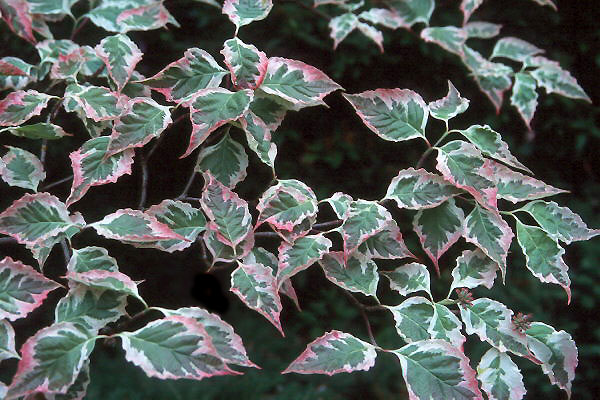
The Welchii Tricolor is a showstopper in more ways than one. In spring, it produces the classic Flowering Dogwood blooms—white bracts tinged with pink—that absolutely glow against its emerging variegated leaves. But here’s what makes this cultivar special: the foliage. Each leaf is splashed and streaked with deep pink, creamy white, and soft green, creating a dappled, almost impressionistic effect throughout the canopy. By midsummer, the pink tones deepen, and by fall, the entire tree becomes a study in burgundy and rose before the leaves drop. The branching structure is naturally refined—spreading and horizontal in the way that makes CORNUS FLORIDA so architectural and beautiful.
Growing it in your garden
Flowering Dogwoods are native to the southeastern United States, which means Connecticut gardeners need to be intentional about placement. The Welchii Tricolor wants afternoon shade—think of it as a woodland edge plant that prefers not to face full southern or western sun, especially during our hot, dry summers. Morning light is wonderful; all-day bright shade is ideal. It appreciates soil that’s rich in organic matter and slightly acidic, so if you’ve been adding compost to other parts of your garden, this tree will reward that effort. Plant it where you can see it from a window or favorite seating area, because you’ll want to watch it change. Give it space to develop its natural spreading form—this isn’t a plant to crowd or prune into submission.
Through the seasons
Spring brings those blush-pink and white bracts in April and May, the true signature of the species. As the tree leafs out, the tricolor foliage emerges, providing months of visual interest that goes far beyond what most trees offer in summer. Early summer sees the pink tones intensify in the variegation, creating an almost jewel-like appearance. By late summer and early fall, the combination of pink, deep red, and burgundy tones builds toward a spectacular autumn display. Even when the leaves finally drop—typically in October—the branching structure has a quiet elegance that carries the garden through winter. Some gardeners are surprised to learn that CORNUS FLORIDA blooms again in late summer with a second, lighter flush of white bracts, followed by small red berries that songbirds appreciate (though you might not see them if the birds get there first).
Where it shines
This tree is perfect as a specimen plant—a standalone feature where its complex foliage and form can be fully appreciated. It’s equally at home as an understory tree beneath taller oaks, as a focal point in a mixed border, or as a transition plant between your manicured landscape and a more naturalistic woodland area. In smaller Connecticut gardens, its moderate mature size makes it the kind of tree you can actually plant without worrying it will eventually shade out everything else. It’s particularly valuable in shade situations where you want color and interest but can’t rely on typical sun-loving ornamentals.
Perfect companions
Plant the Welchii Tricolor where it can be understated by shade-loving perennials—hellebores, bleeding heart, and epimedium echo its sophisticated color palette without competing. Ferns provide textural contrast beneath. A backdrop of deep green broadleaf evergreens like mountain laurel or native rhododendrons makes the tricolor foliage practically vibrate. In early spring, woodland bulbs like trillium and bloodroot emerge right as the dogwood is coming into bloom, creating a natural, layered garden picture.
Care tips
Water regularly during the first two seasons while the tree establishes its root system—consistent moisture matters more than occasional deep watering. In Connecticut, a 2-3 inch mulch layer keeps roots cool and conserves moisture during our drier summers. Don’t fertilize; these trees prefer lean conditions and respond better to organic matter worked into the soil at planting time. Pruning should be minimal and only to remove crossing branches or dead wood. Watch for powdery mildew in humid conditions (common in New England); improve air circulation and avoid overhead watering in the evening. The tree is relatively pest-free, though you might occasionally see scale insects—usually manageable with horticultural oil in late winter.
Quick facts
- Hardiness Zone: 5-9 (thrives in Connecticut’s Zone 6b-7a)
- Mature Height & Spread: 20-25 feet tall and wide
- Bloom Season: Spring (April-May) with occasional summer rebloom
- Light Requirements: Afternoon shade; morning sun to bright dappled shade
- Water Needs: Moderate; prefers consistent moisture
- Available at: Both our retail and wholesale locations